Biển Hồ crater lake
A high-altitude freshwater lake held by an ancient volcanic rim — cool water surrounded by pine and the rare cloud phenomena of T'Nưng volcanic plateau.



 🖼 写真5枚
Volcanic plateaus and crater lakes, dropping to the fishing bays and dunes of Quy Nhơn.
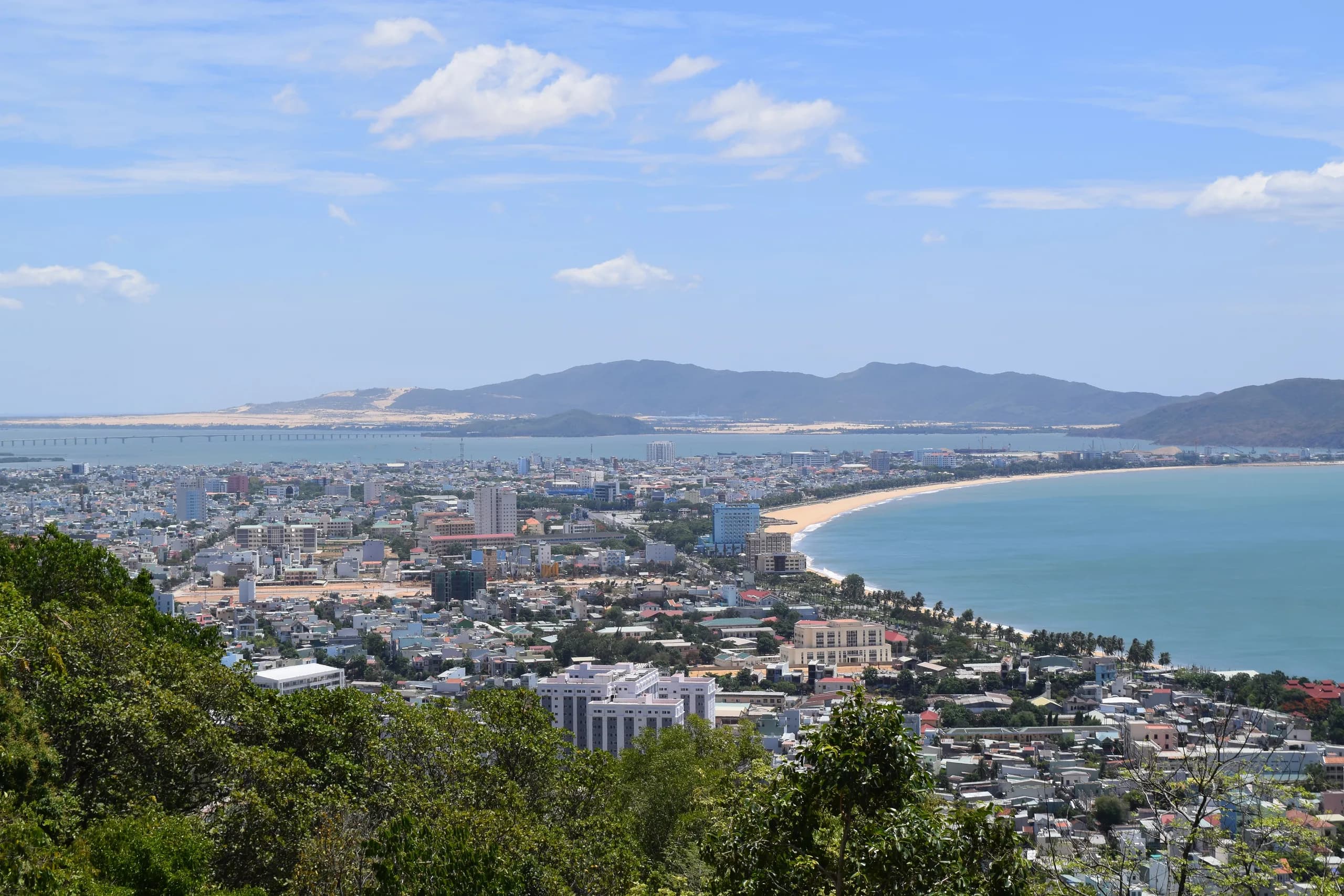
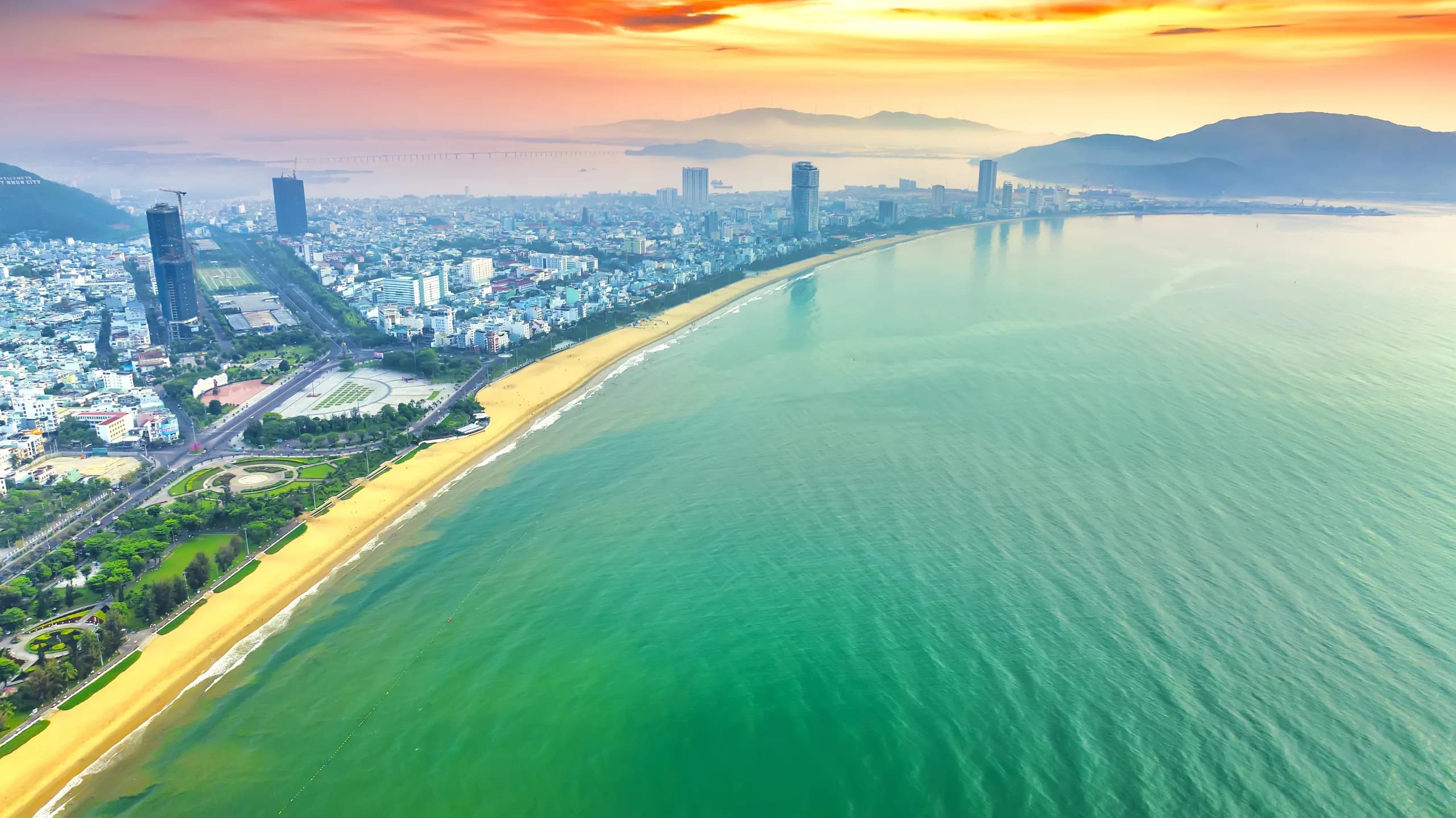
Gia Lai folds highlands and coast together — volcanic plateaus ringed with pine forests and crater lakes, then a steep drop to the bays and dunes of Quy Nhơn. The highland towns of Pleiku carry a cool-season freshness, while the former Bình Định territory opens onto fishing villages and emerald waters.
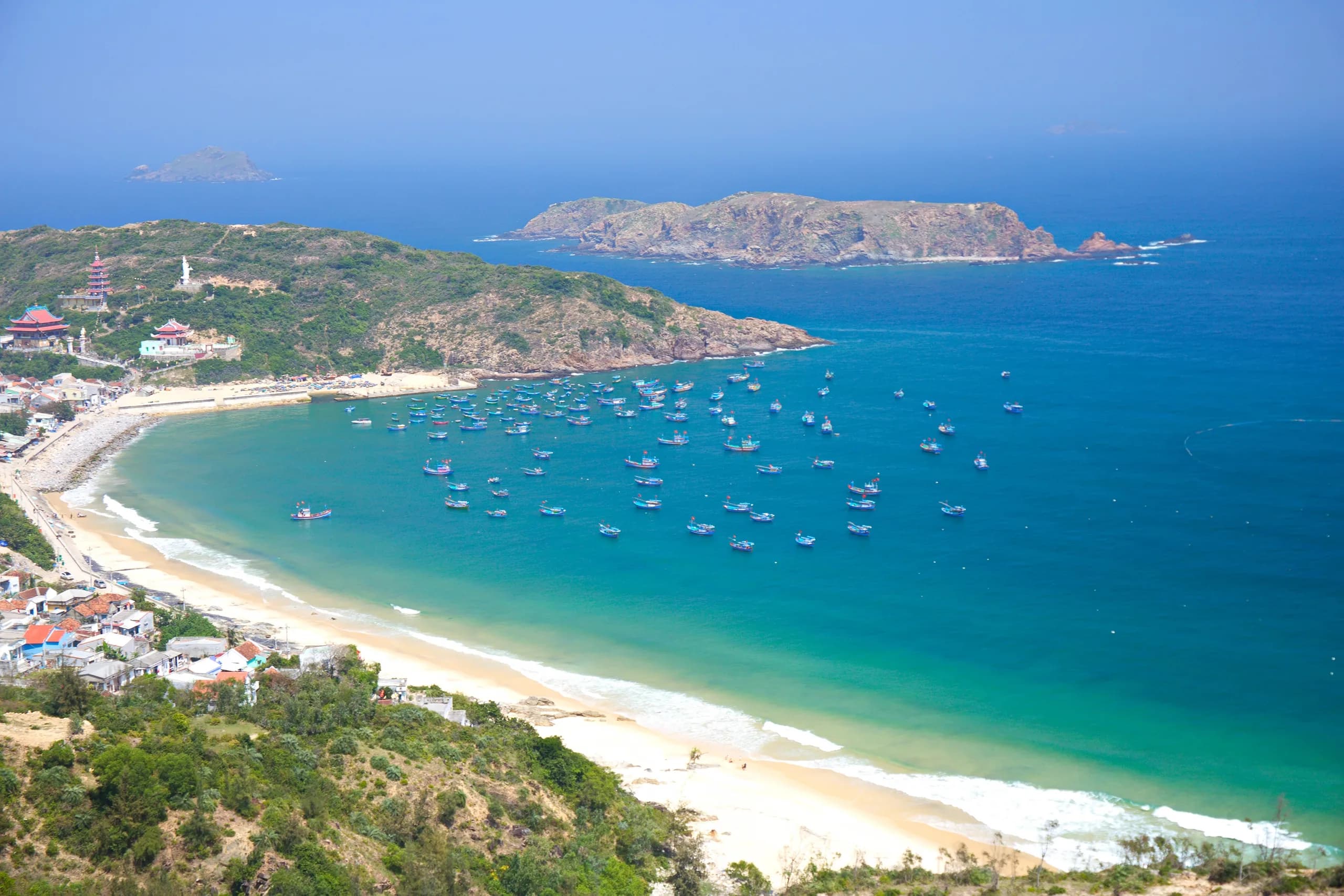
Most visitors come for the crater-lake hikes and the pine-lined drives, but Quy Nhơn's fishing culture — the fresh squid at Kỳ Co, the basalt cliffs at Eo Gió — rewards a longer stay. Both highlands and coast are best in the dry season, when the air is coolest and the sea calmest.
A high-altitude freshwater lake held by an ancient volcanic rim — cool water surrounded by pine and the rare cloud phenomena of T'Nưng volcanic plateau.
An extinct volcanic peak offering ~2h hiking and views across the central highlands; the crater rim shows layered basalt and the surrounding forest is dense with endemic species.
Tree-lined boulevards climbing through the cool plateau — misty mornings and the scent of pine sap. The town itself is a refreshing highland rest.
A crescent bay south of Quy Nhơn where squid boats pull in at dawn — the freshest catch and a village where fishing still shapes every day.
Wind-carved basalt columns rising from turquoise shallows — dramatic geological formations and a hidden swimming cove reachable by boat.
A working port town where the morning tide brings boats and nets — early sunrise walks capture the rhythm of life tied to the sea.
Phở khô Gia Lai
The 'two-bowl phở' of the highlands — springy dry noodles in one bowl, dark beef broth in the other, assembled bite by bite.
Fresh Quy Nhơn squid
Caught that morning and grilled simply with salt and lime — eaten al fresco at seaside shacks as the boats return.
Bánh xèo tôm nhảy (crispy pancakes)
Quy Nhơn's famous crispy turmeric pancakes, packed with shrimp so fresh they were jumping — the defining coastal snack.
Highland herbs & wild vegetables
Leafy greens and medicinal herbs gathered from the pine forests — sold at Pleiku markets and best in soups and stir-fries.
Gia Laiについてよく寄せられる実用的な質問に簡潔に答えます。
November to March — the dry season brings cool highlands and calm seas. June to September is wet and can be foggy in the plateaus.
~400km northwest, roughly 8–9 hours by road. The scenic route winds through the highlands; most travelers fly to Pleiku.
Yes — the province spans both; 2–3 days in Pleiku/Biển Hồ, then 2 days in Quy Nhơn captures the full range.
The Bánh Ít towers on a hill near Quy Nhơn are the highlight — brick Chăm architecture with wide views over the rice plain, an easy half-day stop.
アクセス
Pleiku airport connects the highlands to major cities; Quy Nhơn sits on the coast with road links north to Đà Nẵng and south to Nha Trang.
現地での移動
Rent a car or motorbike for the plateau drives and coastal explorations; the coastal stretch between Quy Nhơn and Eo Gió is best by vehicle.
Day 1–2 — the highlands
Pleiku town and the surrounding pine avenues, then a hike to Chư Đăng Ya or Biển Hồ crater lake — cool and quiet.
Day 3 — descending to coast
Drive west from the highlands toward Quy Nhơn, stopping at viewpoints along the descent.
Day 4–5 — fishing coast
Kỳ Co beach at dawn, Eo Gió by boat, evening in Quy Nhơn port — capture the rhythm of the fishing culture.
Pleiku
The highland hub — cool-season gateway, pine-lined streets, local markets and nearby crater-lake hikes.
Biển Hồ plateau
High-altitude calm — crater lake, volcanic rim hikes, cloud phenomena and the quietest retreat in the region.
Quy Nhơn port
Working harbour and town — fishing boats, markets, seafood and the pulse of coastal life.
Kỳ Co & Eo Gió
Twin coastal landmarks — crescent beach with fishing villages and dramatic basalt formations reachable by boat.