
Vietnam
How to Avoid Tourist Scams in Vietnam: A Fair Pricing Guide
Navigate local markets, taxis, and restaurants with confidence. Learn how to identify fair prices and avoid hidden fees in Vietnam.
By Trip2VN Editorial · 4 min read · Published Aug 20, 2026
How do you avoid tourist scams and unfair pricing in Vietnam?
To avoid tourist scams in Vietnam, always agree on the price before consuming any service or boarding any vehicle. Using ride-hailing apps like Grab and checking menus with printed prices are the most effective ways to prevent overcharging. In major cities like Hà Nội and Thành phố Hồ Chí Minh, street vendors without clear price signs often charge tourists higher rates. For peace of mind, ask your hotel receptionist for local price benchmarks before heading out. If you encounter an aggressive vendor, say "Không, cảm ơn" (No, thank you) firmly and walk away. For complex itineraries, booking through a reputable agency ensures all taxes and service charges are paid upfront. You can get a quote from Trip2VN to plan a transparent, hassle-free journey.
How to navigate taxis and transport without overpaying?
Taxi scams remain a common issue for international travelers at major airports like Nội Bài in Hà Nội and Tân Sơn Nhất in Thành phố Hồ Chí Minh. To protect yourself, never accept rides from drivers who approach you inside the terminal. Instead, walk directly to the official taxi queues outside and ensure the driver turns on the meter. Reputable national brands like Mai Linh (green cars) and Vinasun (white cars) are generally reliable. However, ride-hailing mobile applications offer the safest experience because the fare is fixed before you step into the car. If you plan to hire a private car for day trips to places like Mỹ Sơn Sanctuary or Ba Na Hills, negotiate a flat rate that includes all toll fees and parking charges.
What hidden fees should you look out for in restaurants?
Dining in Vietnam is generally affordable, but small hidden fees can surprise unprepared travelers. In many local restaurants, the wet-wipes (khăn lạnh) placed on your table are not free; using them will add a small charge of from $0.10 to $0.20 (approximate) per wipe to your final bill. Additionally, some establishments charge for side dishes or herbs that are served automatically unless you decline them. In high-end restaurants in major tourist hubs, look closely at the bottom of the menu. Prices may exclude a 5% service charge and an 8% to 10% Value Added Tax (VAT). Always clarify if the listed price is net or subject to these additional taxes before ordering your meal.
How do you bargain fairly at local markets?
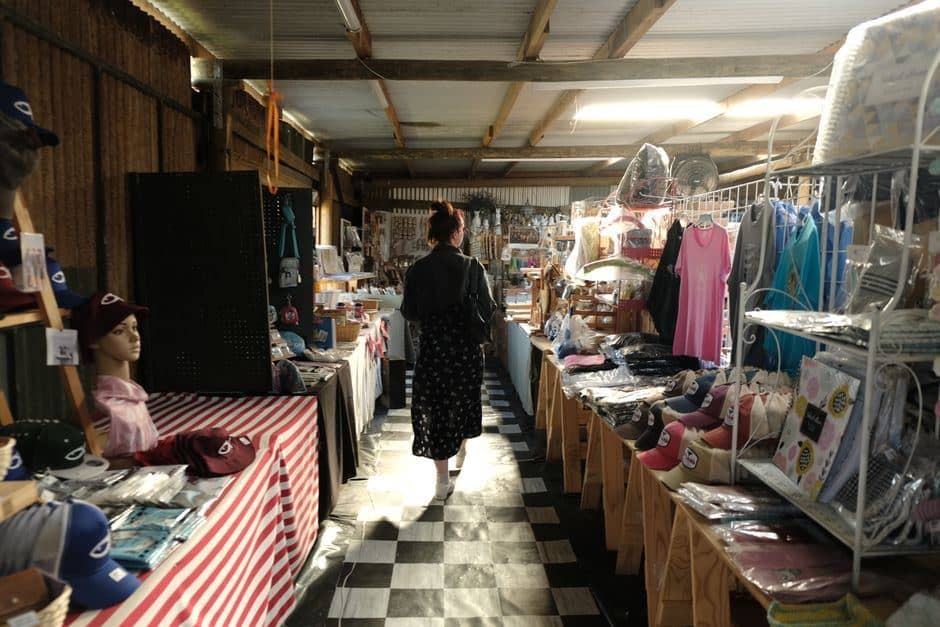
Bargaining is a standard part of shopping at traditional markets like Chợ Bến Thành in Thành phố Hồ Chí Minh or Chợ Đồng Xuân in Hà Nội. However, it should always be approached as a polite social interaction rather than a conflict. As a general rule, you can start by offering 30% to 50% lower than the initial asking price, then negotiate upward. Avoid bargaining early in the morning when shops first open, as local vendors believe the first transaction of the day dictates their daily luck. If you cannot reach an agreement, smile, thank the seller, and walk away. Often, they will call you back with a better offer if your proposed price is reasonable.
The next step
Bring this into your trip
Tell us what caught you here — a specialist builds the days around it and replies with a clear price.
Plan this trip