
The South
The Best Time of Year to Visit Châu Đốc: A Month-by-Month Guide
Plan your trip to Châu Đốc with our seasonal guide. Learn when to experience the floating season at Trà Sư forest and when to enjoy dry weather.
By Trip2VN Editorial · 3 min read · Published Aug 24, 2026
What is the best time of year to visit Châu Đốc?
The best time of year to visit Châu Đốc is from September to November during the floating season, or from December to April for dry weather. If your goal is to see the flooded forests and active wildlife, choose the autumn months. During this floating season (mùa nước nổi), water from the Mekong River floods the fields and forests. This creates the classic Mekong Delta landscape. If you prefer dry paths and sunny days for visiting temples on Sam Mountain (Núi Sam), plan your trip between December and April. Temperatures during the dry season range from 26°C to 32°C. Heavy rains are rare during these months, making outdoor walking easier. Boat tours during the dry season are still available but the water levels in the canals are much lower.
Visiting during the floating season (September to November)
September to November brings the annual floodwaters to Châu Đốc, transforming the landscape into a water world. This is the ideal period to visit the Trà Sư Cajuput Forest (Rừng tràm Trà Sư), located about 30 kilometers from the city center. You can ride a motorized wooden boat (tắc ráng) and a hand-rowed sampan through green duckweed. Bird nesting season peaks during these months, so you will see many storks and water birds. Local restaurants serve seasonal dishes like sesbania pea flowers (bông điên điển) and bronze featherback fish. Boat tours at Trà Sư Forest start from $5 (approximate) per person. Expect occasional afternoon showers, but they rarely disrupt morning excursions.
Exploring in the dry season (December to April)
December to April is the dry season in An Giang province, offering stable weather and clear blue skies. This period is perfect for cultural sightseeing around Sam Mountain (Núi Sam) and the multi-ethnic villages. You can visit the Bà Chúa Xứ Temple at the foot of the mountain without worrying about rain. January and February are the peak pilgrimage months for Vietnamese travelers. During these months, the temple areas become very crowded. If you prefer a quiet trip, schedule your visit for March or April. Keep in mind that March and April are the hottest months of the year. Temperatures can reach 35°C by midday, so plan your outdoor activities for early morning.
What to expect during the rainy transition (May to August)
May to August marks the beginning of the rainy season in Southern Vietnam. While it rains more frequently, these months offer lower hotel rates and fewer crowds. Showers usually occur in short, heavy bursts in the afternoon, leaving the mornings clear for sightseeing. This is the harvest season for local fruits like palmyra palm (thốt nốt). You can try fresh palmyra juice and sweet cakes along the roadsides. The water levels in the canals start to rise gradually, but the fields are not yet fully flooded. If you travel during this time, pack a light raincoat and flexible footwear. For current weather updates and custom itineraries, you can contact a Trip2VN specialist to get a quote.
The next step
Bring this into your trip
Tell us what caught you here — a specialist builds the days around it and replies with a clear price.
Plan this trip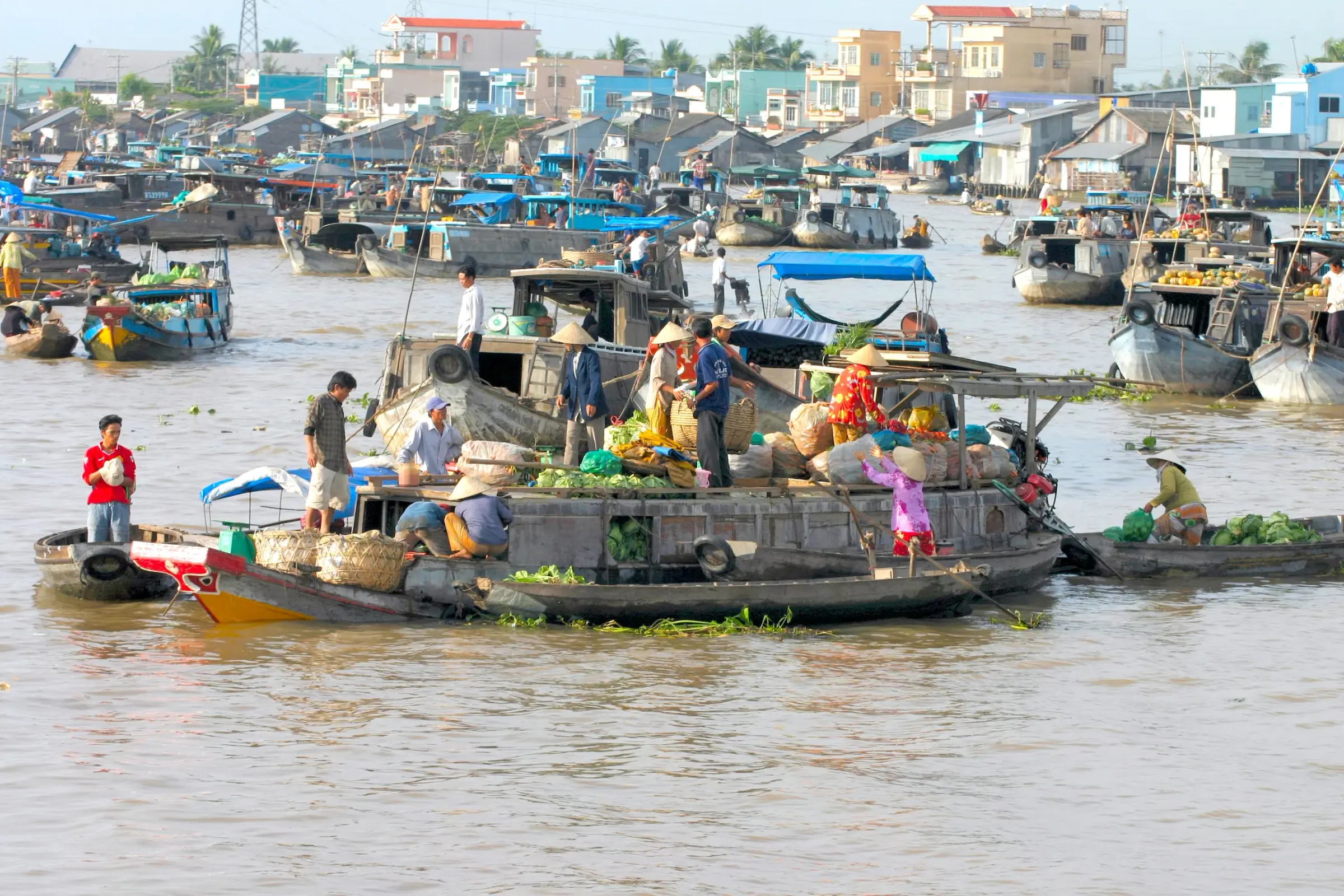 A trip that goes thereCủ Chi Tunnels & Mekong Delta Exploration from Ho Chi Minh City1 day · From $35