
Vietnam
Planning Your First Trip to Vietnam: A Calm Orientation Guide
Prepare for your first Vietnam trip with practical advice on trip length, north-south travel logic, booking essentials, and what to expect from city life.
By Trip2VN Editorial · 7 min read · Published Jul 20, 2026
Why Choose Vietnam for Your First International Trip?
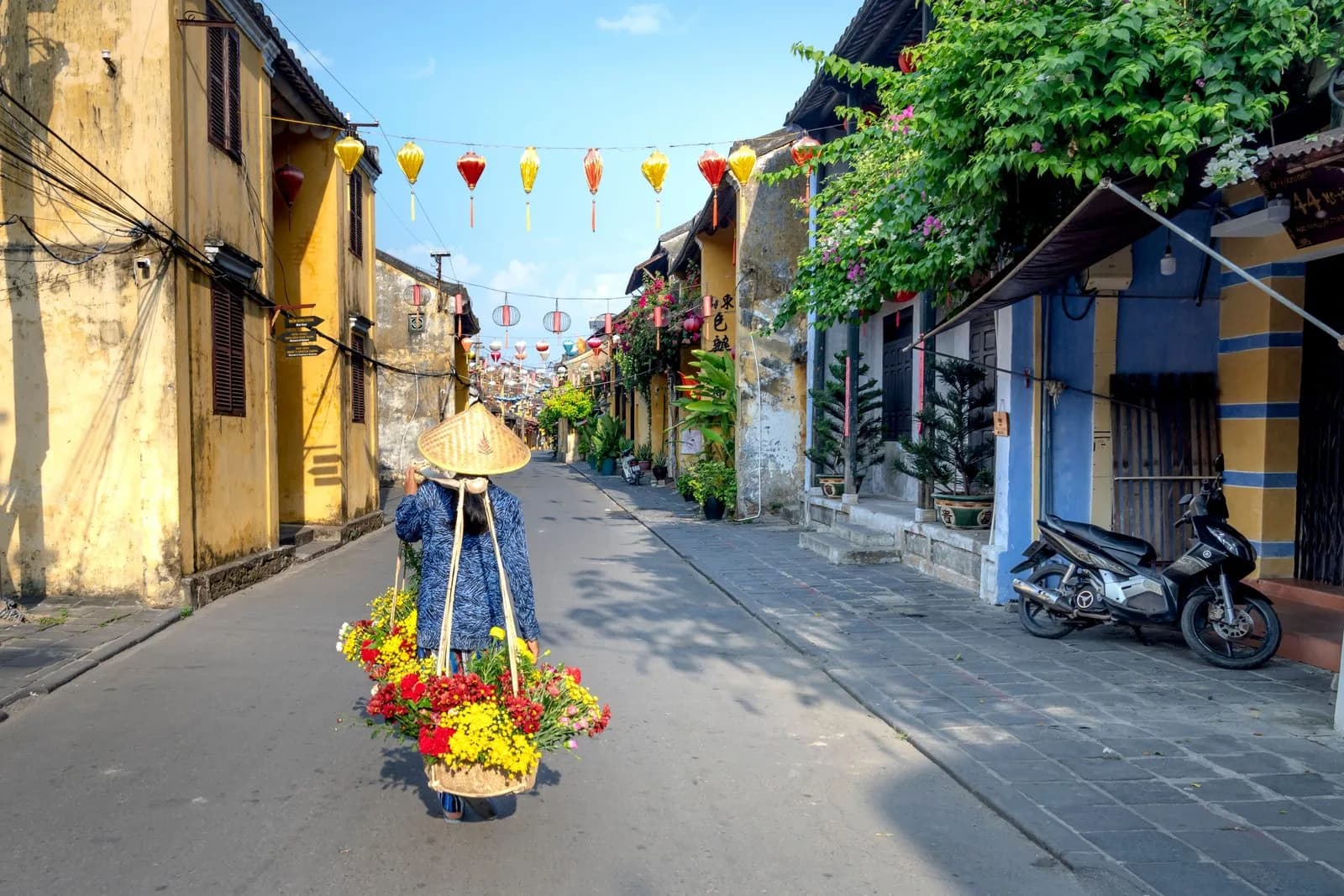
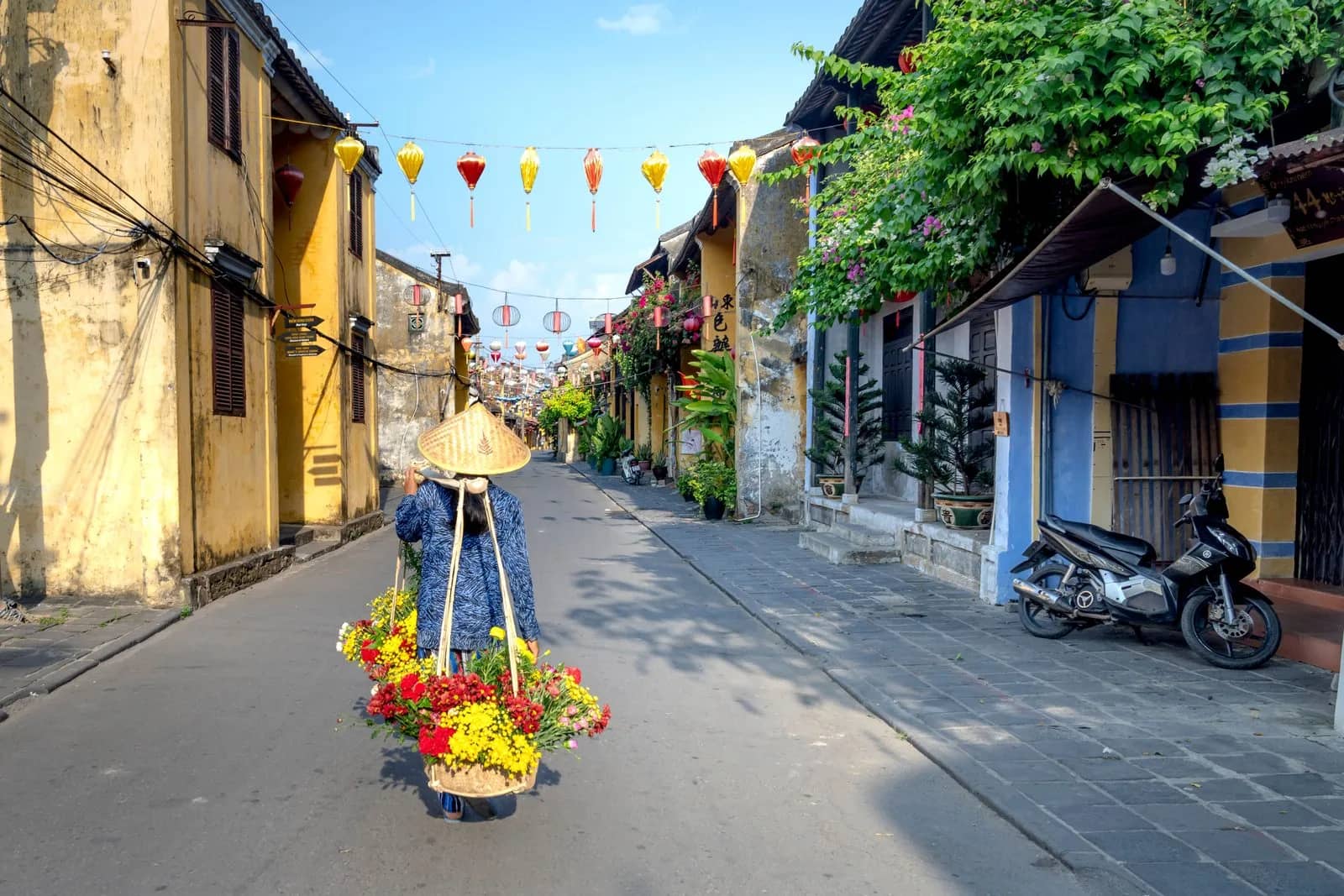
Vietnam offers a unique blend of vibrant culture, diverse landscapes, and delicious food. It is an excellent choice for a first international trip. The country has established tourist infrastructure. Locals are welcoming. Travelers find it easy to navigate. From the ancient streets of Hội An to the limestone karsts of Hạ Long Bay, variety awaits. The cost of travel is also generally affordable. This makes it accessible for many budgets. For more details on visas, visit our Vietnam Visa Guide.
How Long Should Your First Trip to Vietnam Be?
For a first trip to Vietnam, plan at least seven days. This duration allows you to explore one main region thoroughly. For example, seven days suit a Northern Vietnam focus, including Hà Nội and Hạ Long Bay. To experience both North and South, aim for 10 to 14 days. This lets you visit Hà Nội, Hội An, and Hồ Chí Minh City. A cross-country trip needs more time to avoid feeling rushed. Consider your travel style. A slower pace often leads to deeper experiences. See our Vietnam Itineraries for more ideas.
Should You Travel North to South or South to North?
Traveling North to South is a common and practical choice for many first-timers. Start in Hà Nội and finish in Hồ Chí Minh City. This route often offers a natural progression. It usually moves from a more traditional feel to a more modern one. Consider booking open-jaw flights. Fly into Hà Nội (HAN) and depart from Hồ Chí Minh City (SGN). This saves time and money on backtracking. The reverse route, South to North, works equally well. Your choice depends on flight availability and personal preference.
What to Book in Advance and What to Decide Later?
Book domestic flights in advance, especially during peak seasons or holidays. Night trains, like the sleeper from Hà Nội to Sa Pa, also fill quickly. If planning a specific homestay in Sa Pa, especially on weekends, secure it early. For popular Hạ Long Bay cruises, booking ahead ensures availability. Most day tours, local transport, and meals can be arranged upon arrival. This offers flexibility. Eating at local restaurants, for instance, is often spontaneous. For more on getting around, see our Getting Around Vietnam guide.
How to Stay Connected in Vietnam: eSIMs and Wi-Fi
Staying connected in Vietnam is straightforward. eSIMs are a convenient option. You can purchase and activate them before arrival. This ensures immediate data access. Local physical SIM cards are also widely available at airports and small shops. They are inexpensive. Wi-Fi is common in hotels, cafes, and restaurants across the country. Many public spaces offer free Wi-Fi. For reliable navigation and communication, an active data plan is highly recommended. It helps with ride-hailing apps and translation tools.
Realistic Expectations: Traffic, Noise, and City Life
Vietnamese cities are vibrant and bustling. Expect busy streets, especially in Hà Nội and Hồ Chí Minh City. Motorbikes are the dominant form of transport. Crossing the street requires confidence and patience. Traffic flows constantly. Urban areas can be noisy. Horns are used frequently, not aggressively, but as a warning. Embrace the sensory experience. It is part of the local charm. Outside major cities, the pace slows considerably. Rural areas offer peace and quiet. For safety tips, consult our Safety in Vietnam guide.
The next step
Bring this into your trip
Tell us what caught you here — a specialist builds the days around it and replies with a clear price.
Plan this trip