
Sa Pa, Lào Cai
The Rice Terraces Around Sa Pa — and How to See Them Well
Steep valleys shaped by hand over generations, where flooded paddies mirror the sky before the golden harvest — and how to see them with respect.
By Trip2VN Editorial · 8 min read · Published Jul 6, 2026
The Valleys That Feed the Mountains
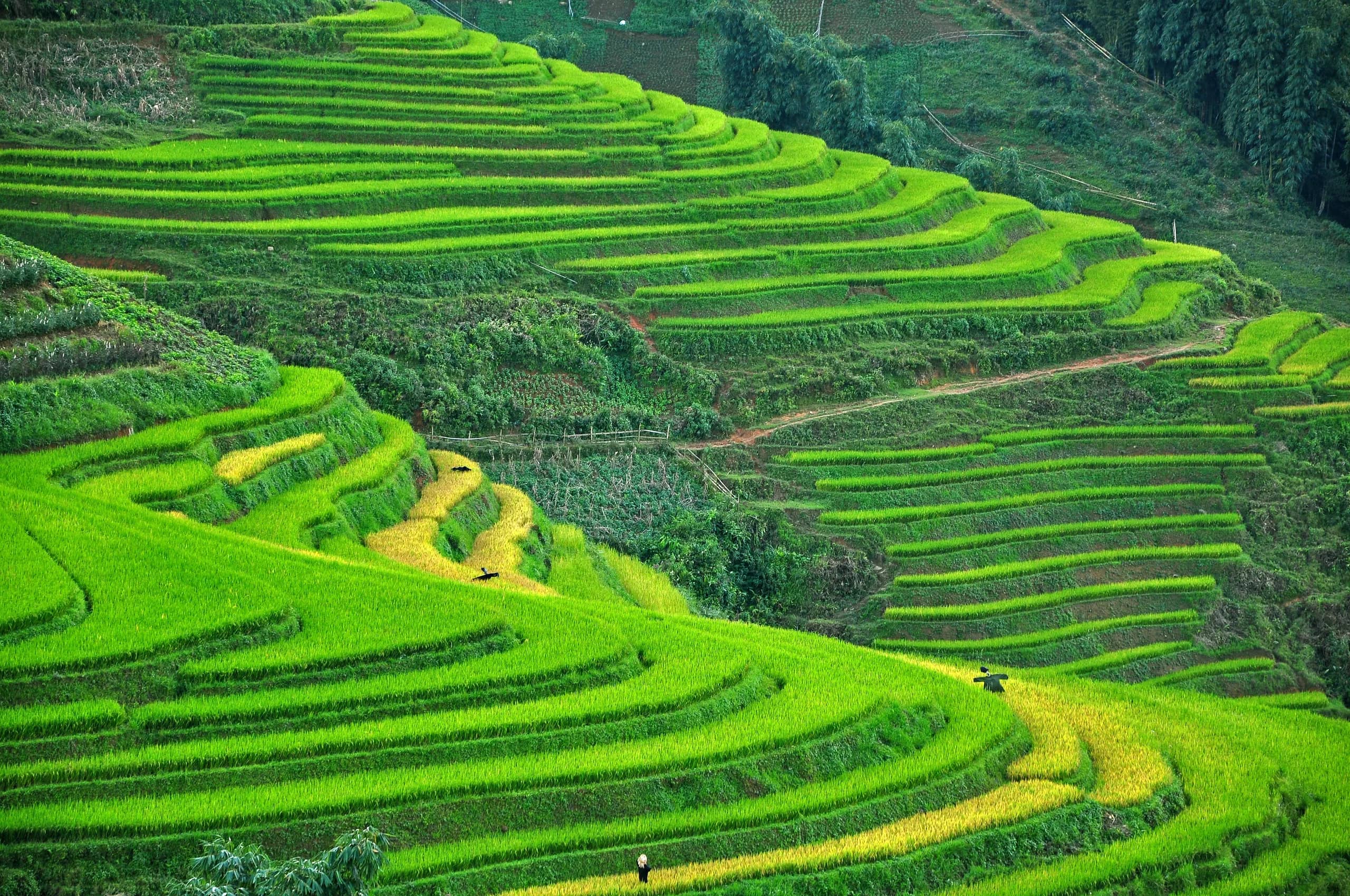
Sa Pa sits at around 1,500 meters above sea level, colder than the steamy lowlands of Hà Nội. Around the town, the landscape drops away in layers—rice fields carved into mountainsides like staircases for giants. These terraces are not natural. For centuries, the Hmong and Dao peoples who live here have shaped the steep Hoang Lien Son mountains into fields that follow the slope of the earth, holding water and soil in place through monsoons and droughts.
The terraces ring the valley. On clear mornings, water floods the fields for planting season, and the whole hillside becomes a mirror—sky doubled in the paddies. By mid-summer the water drains and green rice reaches knee-high. In early autumn, before harvest, the fields turn gold, and the colors shift across the valley like brushstrokes on canvas.
The People Who Built This
The Hmong arrived here roughly 300 years ago, migrating south from China. They now make up about half of Sa Pa's population. Their women wear indigo-dyed hemp cloth, decorated with beeswax and embroidery. The indigo itself is made from plants grown on these same mountains. It is practical dress for people who have lived in high country for generations—durable and warm.
The Dao people, or Red Dao, are recognizable by their red headdresses and are known for deep knowledge of medicinal plants. Their families each guard their own recipes for traditional herbal baths passed down from mother to daughter. They too have shaped the terraces and share the mountains with the Hmong, the Tay, and the Giay peoples.
What Tourism Built
Sa Pa town itself has changed drastically. A cable car now carries visitors up Fansipan, the highest peak in Vietnam, turning a long climb into a short ride. Hotels cluster in the town center. Shops sell handicrafts by the door. On weekends, the narrow streets fill with tourists stepping out of tour buses, cameras ready. The remoteness is gone.
But the terraces remain. The best views—the ones you see in photographs—require walking or hiking between villages. This is also where the honest part of tourism begins. The people who live in these villages depend partly on the steady income from visitors. When you walk through, cameras will follow. Children will call out. Vendors will appear on paths to offer handicrafts, weaving, and homemade textiles.
How to See Them Well
The ethical boundary is simple but often missed: do not treat people as photo subjects. When you photograph a villager, ask permission. When you buy from a weaver, pay fairly—it represents hours of labor, not a trinket. If you stay in a homestay, arrive with realistic expectations. Homes are modest. Comfort is limited. Your presence changes the economy of the village, for better and for worse.
The rice fields are most flooded and mirror-like in late May and June, just after planting. By August and September, the green deepens. October and November bring the golden harvest light. Winter, December through February, is dry and cool but often misty.
Guides from the town know specific routes that avoid the heaviest traffic. Hiring a local guide means the money goes to someone who understands the terrain and the villages. Walking slowly, observing the work of planting, weeding, and harvesting, is different from collecting photos. The terraces have fed these communities for centuries. They continue to feed them now. Tourism is the second income, not the primary one.
The Climb Remains
Not everyone hikes to Fansipan. The cable car is fast and efficient. But if you do climb the mountain on foot, you will walk through villages built on the slopes and pass field upon field of terraced rice. The path is steep, sometimes cobbled, sometimes mud. It takes time. That is partly the point. The terraces were built slowly, over centuries, and they reveal themselves slowly to those who walk among them.
The scale of the work is humbling. Entire mountainsides reshaped by hand, with buffalo and simple tools. The water channels, the earthen walls, the terraces themselves are engineering without concrete, without machines. They have held through floods and dry years for generations. They continue to feed people. They continue to draw visitors.
Tell us what draws you to these mountains—are you climbing for the view, or to understand the people who live here? Trip2VN specialists can build an itinerary that respects both the landscape and the communities who have shaped it, and come back with a clear proposal.
The next step
Bring this into your trip
Tell us what caught you here — a specialist builds the days around it and replies with a clear price.
Plan this trip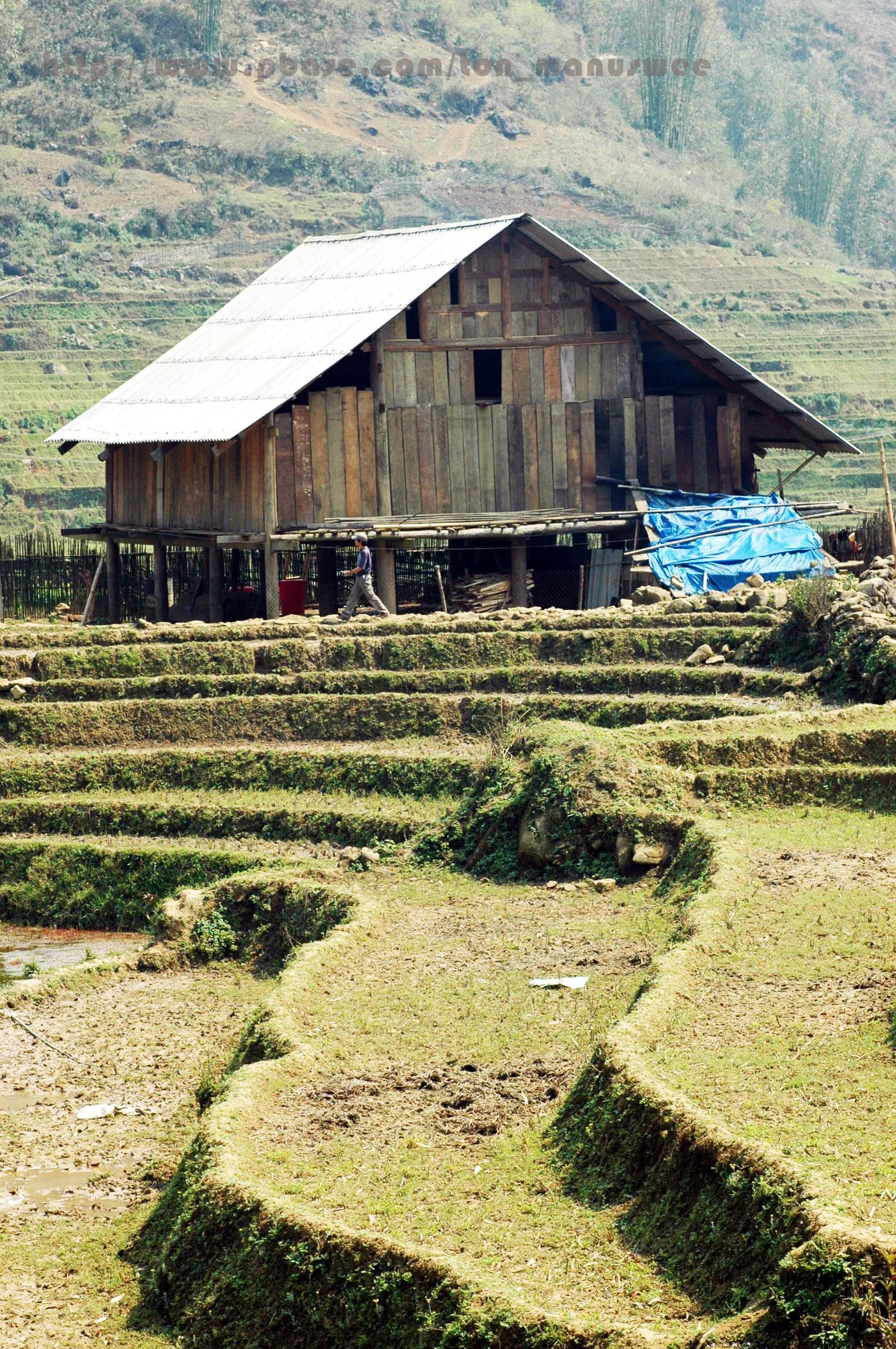 A trip that goes thereSa Pa Valley Trek2 days · From ~$110