
Vietnam
What to wear to temples in Vietnam: Sacred site etiquette
Planning to visit sacred sites? Learn what to wear to temples in Vietnam and key cultural rules to avoid disrespect. Contact our team to get a quote for a custom cultural tour.
By Trip2VN Editorial · 3 min read · Published Aug 19, 2026
What is the dress code for Vietnam temples?
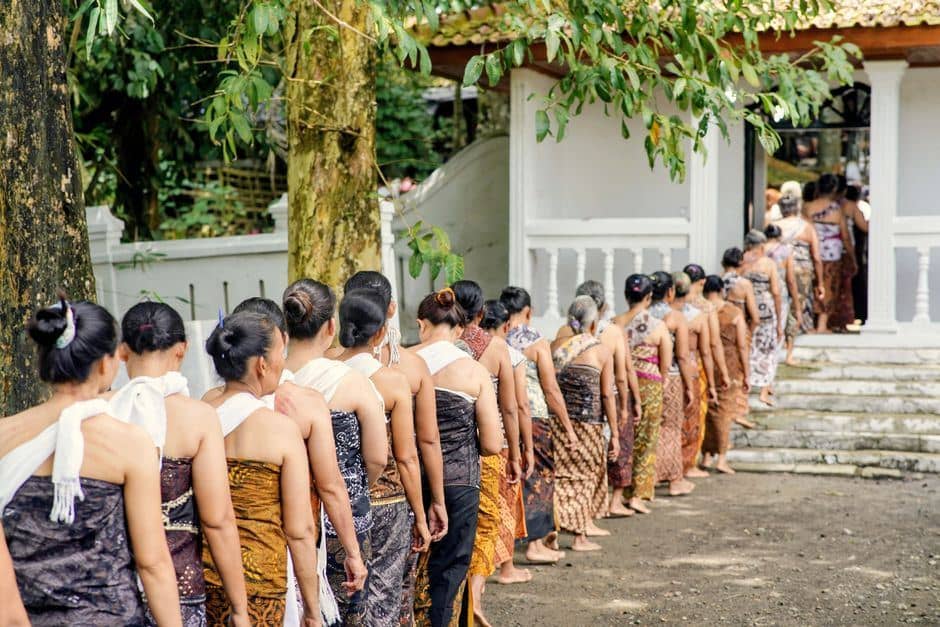
When visiting temples in Vietnam, you must wear clothing that covers your shoulders and knees. This dress code applies to both men and women at all sacred sites nationwide. Wearing sleeveless tops, short skirts, or tight shorts will often result in being denied entry. At major sites like Chùa Trấn Quốc in Hà Nội, staff will refuse entry to visitors with improper attire. To avoid issues, wear loose pants, long skirts, and t-shirts with sleeves. Lightweight linen pants are ideal for the hot tropical climate.
Should you remove your shoes at Vietnamese pagodas?
You must remove your shoes before entering the indoor worship hall of a Vietnamese pagoda. However, you can keep your shoes on while walking around the outdoor courtyards and garden areas. Look at the entrance door of the main hall. If you see a row of shoes on the steps or a shoe rack, remove yours before stepping inside. Socks are perfectly acceptable to wear on the wooden or tiled floors inside. At places like Chùa Bái Đính in Ninh Bình, you will walk long distances, so wear easy slip-on shoes.
How should you behave inside the temple grounds?
Speak in low whispers and avoid making loud noises inside temple grounds. Vietnamese sacred sites are active places of worship, not just tourist attractions. Avoid pointing your fingers at Buddha statues or altars, as this is considered disrespectful. When taking photos, look for signs that prohibit photography inside the halls. Never photograph monks or local people praying without asking them first. If you need to walk around an altar, walk in a clockwise direction. This is a traditional sign of respect in Buddhist spaces.
Are there entry fees and donation rules for temples?
Most traditional temples and pagodas in Vietnam do not charge an entry fee. However, some large historical complexes located inside scenic areas require a general entrance ticket. For example, the ticket for the Hương Pagoda complex near Hà Nội starts from $5 (approximate) for entry and boat transport. Inside any temple, you will see red donation boxes called 'hòm công đức'. Donations are entirely voluntary. If you wish to contribute, place small cash notes directly into these boxes rather than leaving them on the altars.
The next step
Bring this into your trip
Tell us what caught you here — a specialist builds the days around it and replies with a clear price.
Plan this trip