
Vietnam
What to Expect at a Homestay in Vietnam: A Practical Guide
Learn what to expect at a homestay in Vietnam, from shared family meals to basic amenities and local etiquette.
By Trip2VN Editorial · 3 min read · Published Aug 18, 2026
What is a Vietnamese homestay really like?
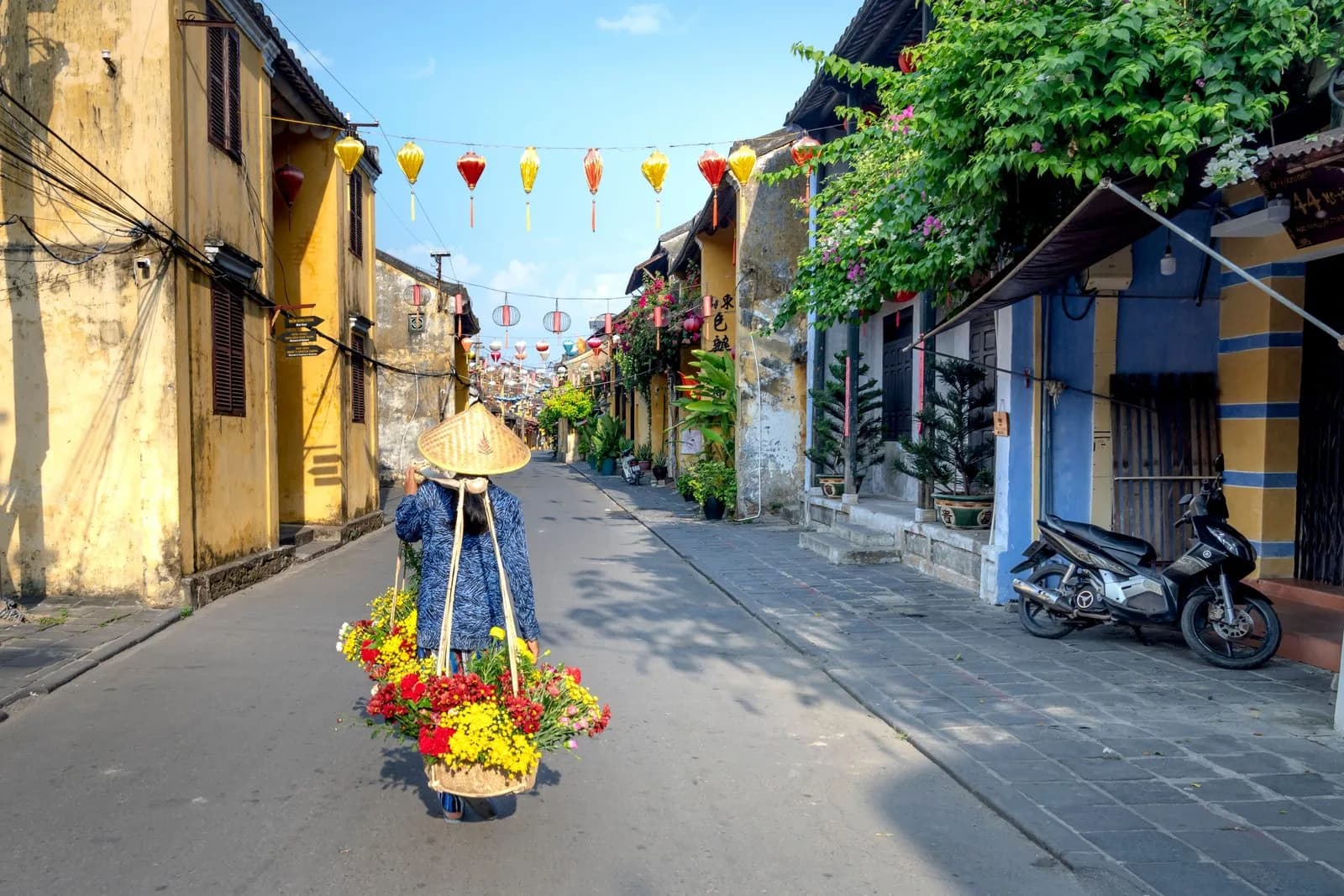
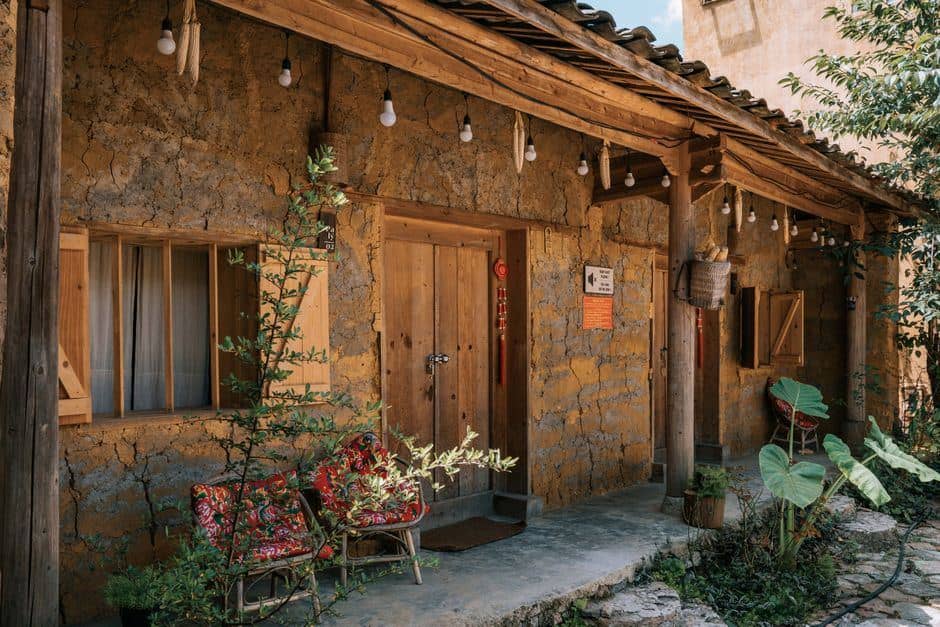
A Vietnamese homestay is a lodging option where you live on the same property as a local family. Unlike a standard hotel, you share common spaces, eat home-cooked meals with your hosts, and observe their daily routines. In rural areas like Sa Pa or the Mekong Delta, homestays are often wooden stilt houses or brick homes with basic, shared facilities. In cities like Hà Nội or Hội An, they operate more like small bed-and-breakfasts with private rooms. Expect simple bedding, mosquito nets, and clean but basic bathrooms. Prices usually start from $10 (approximate) per night, which often includes a communal dinner.
How do meals work at a local homestay?
Communal dinners are the core of the homestay experience in Vietnam. Hosts prepare traditional dishes using local ingredients, such as pork, tofu, seasonal vegetables, and rice. Everyone sits together, often on a mat on the floor or around a wooden table. It is polite to wait for the oldest family member to start eating first. You should use your chopsticks to transfer food to your small bowl before eating, rather than eating directly from the shared serving plates. If you have dietary restrictions, tell your host or your Trip2VN specialist before you arrive.
What facilities and amenities should you expect?
Comfort levels vary significantly by region. In remote villages, bedrooms are often communal lofts separated by curtains, with thin mattresses on wooden floors. Air conditioning is rare in mountain homestays, where fans and natural ventilation are the norm. Hot water is usually available via electric showers, but water pressure can be low. In urban locations, you can easily find private air-conditioned rooms with en-suite bathrooms. Always pack insect repellent, personal toiletries, and a small towel, as these are not always provided by rural hosts.
What are the rules and cultural etiquette?
Respecting local customs ensures a smooth stay. Always remove your shoes before entering a Vietnamese home; you will often find indoor slippers at the entrance. Dress modestly, covering your shoulders and knees, especially when walking through common areas. Ask for permission before taking photos of family members, especially children or elders. Noise levels should drop after 10:00 PM, as rural families wake up early for farm work. If you want to book a guided trek or cooking class, ask your host or contact Trip2VN to get a quote for a curated itinerary.
The next step
Bring this into your trip
Tell us what caught you here — a specialist builds the days around it and replies with a clear price.
Plan this trip