
The South
Where to Photograph Tây Ninh: Key Locations, Timing, and Light
A practical guide to photographing Tây Ninh, covering optimal light angles and timing for the Cao Đài Holy See, Núi Bà Đen, and Hồ Dầu Tiếng.
By Trip2VN Editorial · 3 min read · Published Sep 10, 2026
Where are the top photography spots in Tây Ninh?
The three most rewarding photography locations in Tây Ninh are the Cao Đài Holy See (Tòa Thánh Tây Ninh), the summit of Núi Bà Đen, and the shores of Hồ Dầu Tiếng. Each spot requires distinct timing because harsh midday sun flattens outdoor landscapes across southern Vietnam. Photographers should prioritize early mornings (06:00 to 08:30) for outdoor mountain terrain and high-sun hours (11:30 to 13:00) strictly for temple interior ceremonies where direct overhead light cuts through vaulted windows. Plan at least one full day to cover these three positions efficiently, as travel between them takes 30 to 50 minutes per leg.
How should you photograph the Cao Đài Holy See?
Photograph the interior of Tòa Thánh Tây Ninh during the noon prayer service at 12:00 PM. High overhead sunlight streams through pastel dragon pillars, creating clear contrasts between white-robed followers and vivid architecture. Shoot from the upper gallery using a wide-angle lens (16–35mm equivalent) to capture symmetry without disrupting ceremonies. Tripods are generally prohibited inside, so use a wide aperture (f/2.8 to f/4) and ISO 800–1600. For exterior facades, arrive between 07:00 and 08:30 AM when directional morning light hits the twin towers without casting harsh roof shadows.
What is the best light for Núi Bà Đen summit photos?
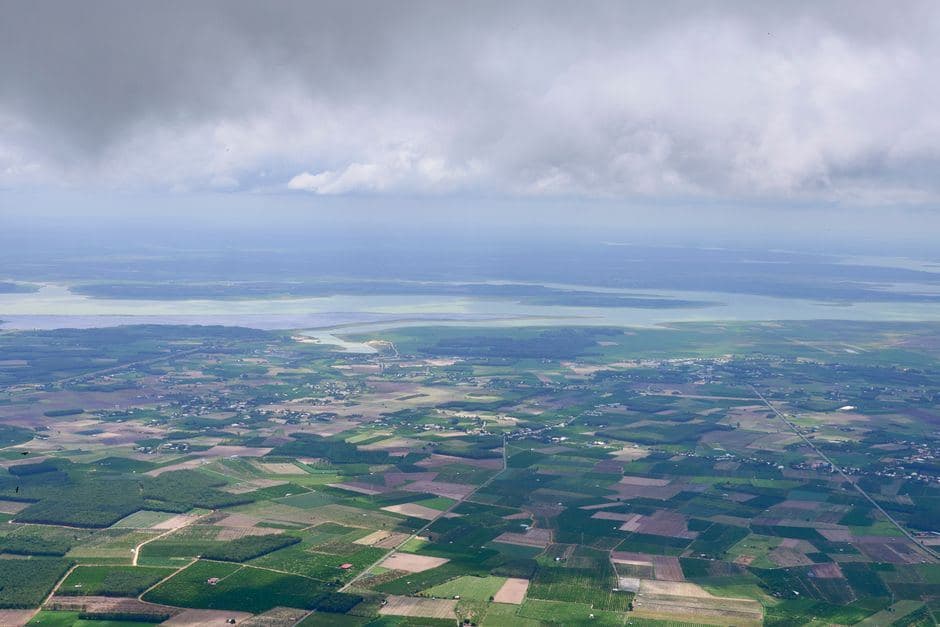
The best photographic light on Núi Bà Đen occurs between 06:00 and 07:30 AM and during the late golden hour from 16:30 to 17:30. Morning cable car rides allow you to shoot low cloud layers drifting around the base of the summit's bronze Buddha statue. Afternoon light illuminates the southern plain below, offering expansive compositional depth. A standard zoom (24–70mm) handles most architectural compositions, while a telephoto lens (70–200mm) compresses distant farm plots across the Mekong delta fringe.
When should you photograph Hồ Dầu Tiếng?
Schedule your Hồ Dầu Tiếng shoot between 16:30 and 18:00 for the sunset reflection over the water. Position yourself along the southern or western banks near Trại Bí to frame the distinctive pyramid silhouette of Núi Bà Đen across the lake surface. Low water levels during the dry season (December through April) expose wide grassy flats, creating minimalist foregrounds. Bring a sturdy tripod and neutral density filters to smooth water motion during exposures lasting longer than one second.
What practical rules and camera gear should photographers know?
Dress respectfully with shoulders and knees covered when entering religious grounds in Tây Ninh. Remove shoes before stepping onto temple mats, and avoid walking down the central aisle inside the Holy See. A versatile two-lens kit covering 16–35mm and 70–200mm meets nearly all spatial needs across temple interiors, landscape panoramas, and mountain details. Lens cloths and dust protection are necessary during the dry months when rural roads generate fine red dust.
The next step
Bring this into your trip
Tell us what caught you here — a specialist builds the days around it and replies with a clear price.
Plan this trip A trip that goes thereCủ Chi Tunnels & Mekong Delta Exploration from Ho Chi Minh City1 day · From $35