
Trip2VNTrip2VN
How to See Elephants Ethically in Đắk Lắk and Lắk Lake
ガイド

The Centre

How to See Elephants Ethically in Đắk Lắk and Lắk Lake

A practical guide to visiting Lắk Lake and supporting ethical elephant tourism in Vietnam's Central Highlands.

文:Trip2VN編集部 · 読了目安 4分 · 2026年8月14日公開

How do you see elephants ethically in Đắk Lắk?

To see elephants ethically in Đắk Lắk, you must choose observation-only tours instead of elephant riding. Traditional riding tours cause physical harm to the animals, so local authorities and conservation groups are transitioning to ethical tourism models. In places like Yok Đôn National Park and designated areas around Lắk Lake, you can watch elephants roam, forage, and bathe in their natural habitat from a safe distance. These ethical tours support the mahouts (elephant handlers) financially while allowing the elephants to live without chains or heavy saddles. Prices for ethical elephant encounters start from $35 (approximate) per person, depending on the duration and group size. To find a certified ethical tour operator and get a quote, contact a Trip2VN specialist for the latest verified options.

Where is Lắk Lake and how do you get there?

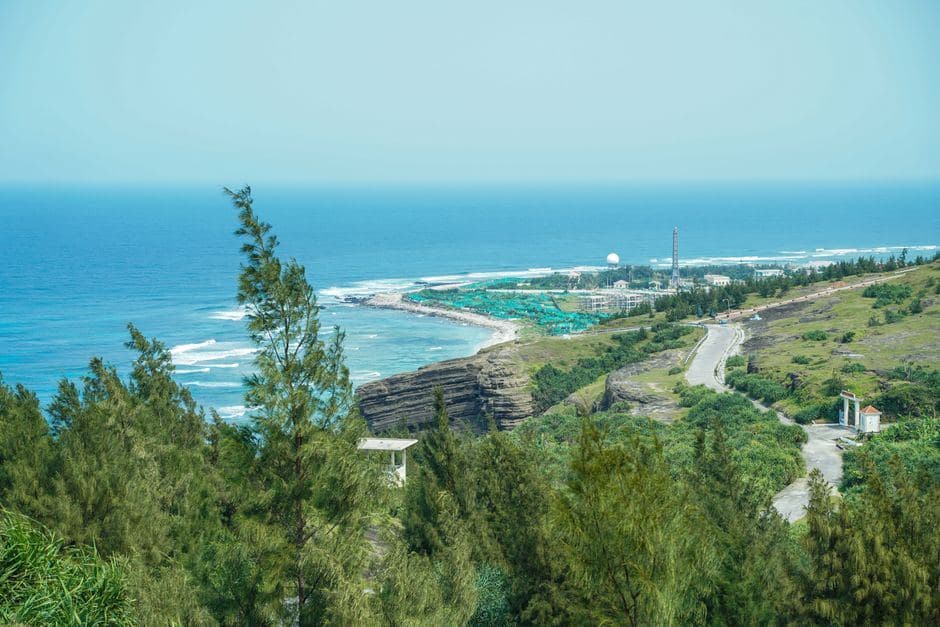
Lắk Lake is located in Lắk District, about 56 kilometers south of Buôn Ma Thuột city along Highway 27. It is the second-largest natural freshwater lake in Vietnam, after Ba Bể Lake in the north. Most travelers reach the lake by renting a motorbike or hiring a private car from Buôn Ma Thuột, which takes about one hour. Public buses also run between Buôn Ma Thuột and Liên Sơn town near the lake, though schedules can change. The lakeside area is home to the M'Nông people, who live in traditional stilt houses in villages like Buôn Jun and Buôn Lê. Visiting these villages on foot is free, but you should respect local privacy by not entering homes without an invitation.

Why is the elephant tourism model changing at Lắk Lake?

For decades, elephant riding was a primary tourist activity at Lắk Lake. However, international animal welfare organizations and local partners have worked to phase out this practice. The heavy wooden saddles damage the elephants' spines, and constant walking on hard surfaces hurts their feet. Under the new ethical model, owners receive financial compensation to stop offering rides. Instead, they guide small groups of visitors to watch the elephants walk through the forest and bathe in the lake. This shift preserves the local mahout culture while ensuring the physical well-being of the remaining domestic elephants in Đắk Lắk province.

When is the best time to visit Lắk Lake?

The best time to visit Lắk Lake is during the dry season, from November to April. During these months, the weather is cool and dry, making outdoor walking and elephant watching comfortable. The rainy season runs from May to October, which can make dirt paths muddy and difficult to navigate. If you visit during the high-water season from September to December, the lake expands significantly, offering beautiful landscape views. For any ethical elephant tour, pack sturdy walking shoes, insect repellent, sunscreen, and a reusable water bottle. You should also bring a lightweight raincoat, as weather in the Central Highlands can change quickly.