

The North
Best Time of Year to Visit Cao Bằng & Bản Giốc Falls
Plan your trip to Cao Bằng and Bản Giốc Falls with our month-by-month weather guide. Learn when to find clear blue water and golden rice fields.
By Trip2VN Editorial · 3 min read · Published Aug 27, 2026
When is the best time of year to visit Cao Bằng and Bản Giốc Falls?
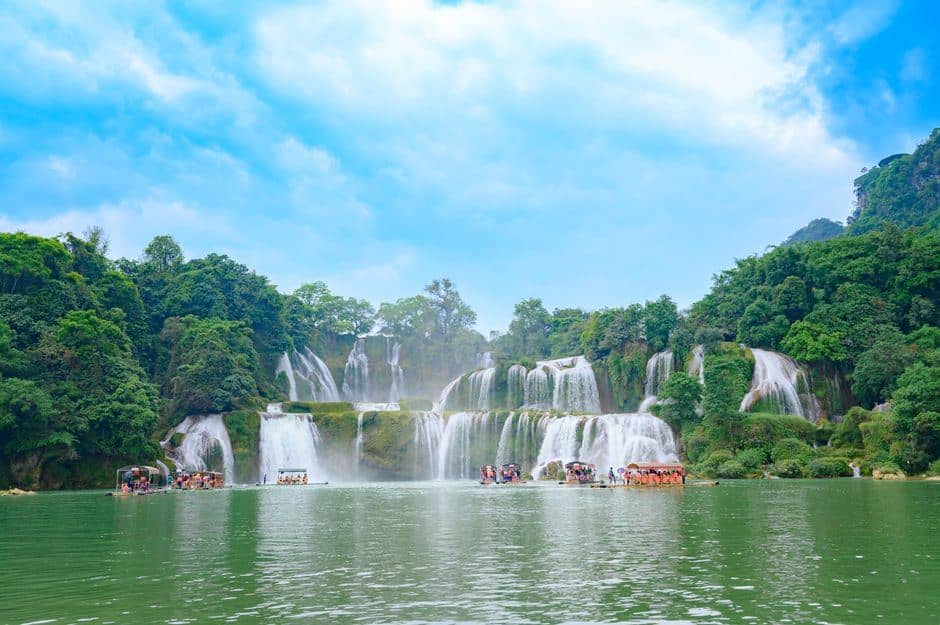
The best time of year to visit Cao Bằng and Bản Giốc Falls is from September to October. During these two months, the waterfall has abundant water and the surrounding rice fields in Trùng Khánh district turn bright yellow. If you prefer clear, turquoise water, visit during the dry season from November to April, though the water volume is much smaller. Avoid the peak rainy season from June to August when heavy downpours can turn the river brown and muddy, making boat trips unsafe.
What is Bản Giốc Falls like during the autumn harvest?
From September to November, autumn brings the most stable weather to northern Vietnam. Temperatures in Cao Bằng average 20°C to 28°C, making outdoor activities comfortable. The rice terraces along the Quây Sơn River ripen in late September and early October. You can rent a bamboo raft at the base of Bản Giốc Falls for about $2 (approximate) per person to get close to the cascading water. This period offers the perfect balance of warm days, cool nights, and beautiful scenery.
Can you visit Cao Bằng during the dry winter months?
December to March marks the dry winter season in Cao Bằng, characterized by low rainfall and cooler temperatures. Daytime temperatures often drop to 12°C or lower in mountainous areas like Trà Lĩnh and Trùng Khánh. The water at Bản Giốc Falls becomes exceptionally clear and turns a deep turquoise color. However, the water flow is much slower, and some sections of the falls may dry up. If you travel during this time, pack heavy winter clothing and prepare for foggy mornings on the mountain passes.
Is it safe to visit Bản Giốc Falls during the rainy season?
April to August is the summer rainy season, with July and August receiving the heaviest rainfall. During these months, the water volume at Bản Giốc Falls reaches its peak, creating a powerful and thunderous display. While the waterfall looks massive, the water often carries red silt, losing its clear green color. Heavy rains can also cause sudden flooding or landslides on National Route 4A. Always check local weather forecasts before departing, or ask a Trip2VN specialist to verify current road conditions and get a quote for a private driver.
The next step
Bring this into your trip
Tell us what caught you here — a specialist builds the days around it and replies with a clear price.
Plan this trip A trip that goes thereHà Giang Loop4 days · From ~$230