

Planning
The Best Time to Visit Vietnam, Region by Region
Vietnam has no single best month—it spans three climate zones. Choose your region, then pick the season that suits you.
By Trip2VN Editorial · 7 min read · Published Jul 9, 2026
The North: Cool Winters, Hot Humid Summers
Many travelers ask: "When should I go to Vietnam?" The honest answer is there is no single best time. Vietnam stretches 1,600 km from north to south, and its climate splits into three distinct zones. A perfect December day in Hà Nội does not guarantee good weather in Đà Nẵng or Hồ Chí Minh City. To plan well, think about which regions interest you most, then match them to their ideal season.
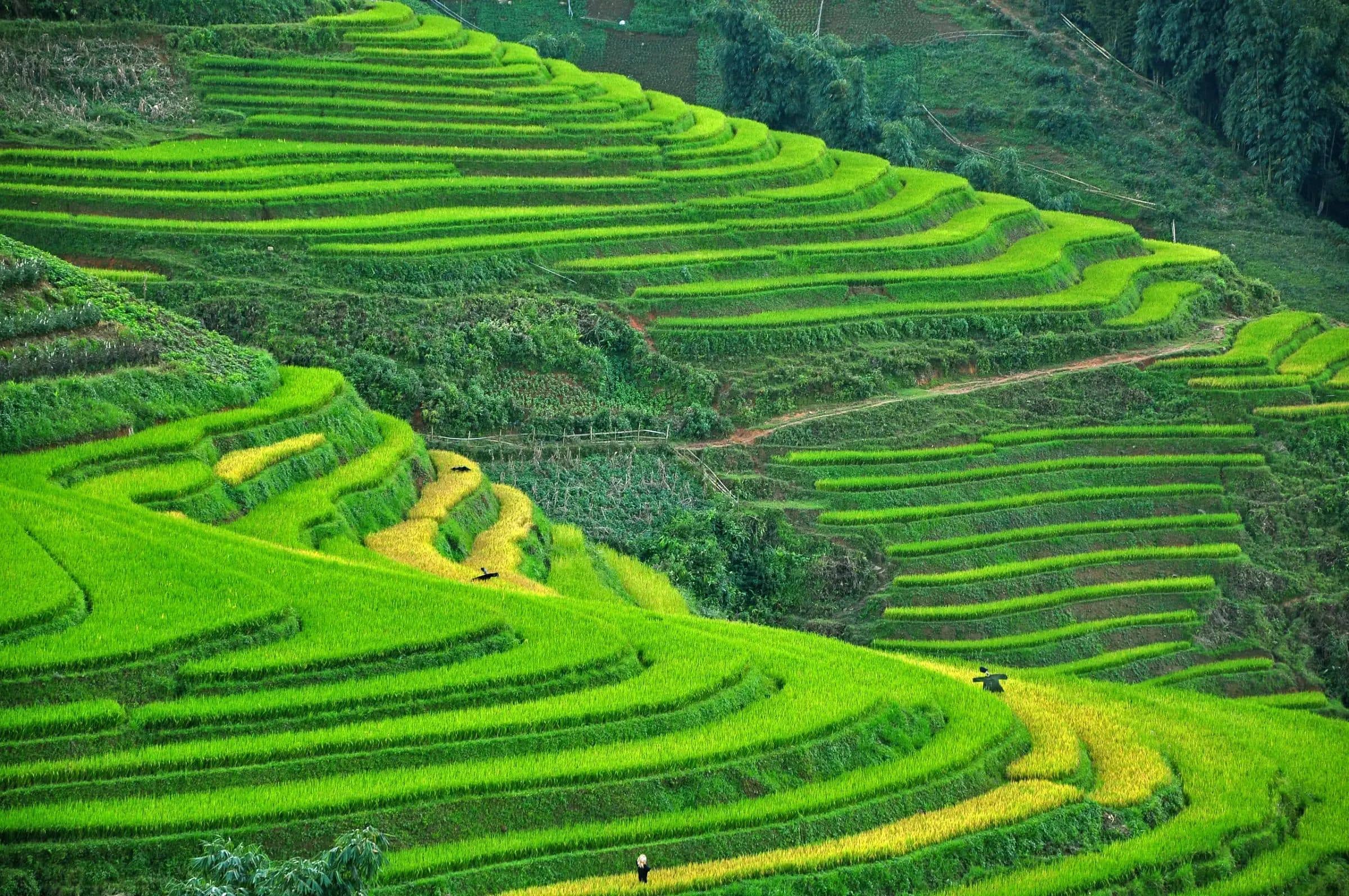
The north (Hà Nội, Hạ Long Bay, Sa Pa) sits in a humid subtropical climate with four real seasons. Winters run from November to February, when lowland temperatures often sit between 10 and 20°C. Mountain towns like Sa Pa get colder, sometimes below 5°C. Mornings often bring fog and mist—which wraps Hạ Long Bay's limestone karsts in cloud, creating that famous moody landscape photographers love. However, fog also reduces visibility if you're hoping for clear vistas.
Summers (May to September) turn hot and humid, with afternoon rains common. The worst of the heat peaks in July and August. If you visit during these months, expect sweating and sudden downpours, but also lush green mountains and fewer foreign tourists.
For classic North Vietnam travel, October through November offers the sweet spot: cool, dry, clear skies, and reasonable crowds. Late February through April works too, though it warms up quickly as spring arrives.
The Centre: Rain, Typhoons, and a Long Dry Stretch
Central Vietnam (Huế, Đà Nẵng, Hội An) plays by different rules. Its rainy season doesn't line up with the north or south. The northeast monsoon arrives in autumn and winter, from roughly September through January, bringing heavy rain and occasional typhoons that can flood low-lying towns like Hội An and Huế. If you visit during these months, prepare for wet days and the occasional road closure in hilly areas after heavy downpours.
By contrast, the long dry season stretches from February through August—the opposite of the north. This window is warm and mostly sunny. March through May feels hot but not unbearable. June through August warm up considerably but remain dry.
The Hải Vân Pass, the coastal mountain pass between Huế and Đà Nẵng, shows its best in dry season—the train line that skirts it is one of Vietnam's most scenic rides when visibility is clear. Journeys during monsoon months risk delays and mist-hidden views.
Smart timing for the Centre: February through August, especially if you plan to travel by train or spend time in Hội An.
The Highlands: Mild All Year
Đà Lạt, in the highlands of Lâm Đồng province, sits around 1,500 metres above sea level. This elevation keeps the climate mild year-round, with temperatures hovering between 14 and 23°C. Morning mist often blankets the valleys—locals call it the "City of Eternal Spring."
Because Đà Lạt doesn't follow the extreme wet or dry seasons of surrounding lowlands, you can visit almost any month. May through September sees more rain, but afternoon showers are brief, not all-day deluges. October through April is drier, though still misty.
If you're visiting Đà Lạt for hiking or exploring the tea and coffee plantations, avoid late May through June (heaviest rain), but any other month works.
The South & Mekong: Two Seasons, Not as Bad as You Think
Southern Vietnam and the Mekong Delta live in a purely tropical climate with just two seasons. The dry season runs November through April—sunny, hot, and comfortable. The wet or rainy season spans May through October.
Here's the truth about the rainy season that surprises many travelers: it's mostly short, fierce afternoon downpours, not day-long grey skies. Mornings often stay dry and warm. Streets dry out quickly. Public transport runs regardless. Tourism slows during these months, so flights, hotels, and tours feel less crowded and sometimes cost less.
Temperatures barely shift all year, staying warm and humid. If heat bothers you, the dry season (November to April) feels less sticky. If you're flexible and budget-conscious, the rainy season (May to October) is entirely viable—just pack a light rain jacket and expect afternoon storms.
Hồ Chí Minh City, Cần Thơ, and Phú Quốc follow the same pattern. Phú Quốc, a major island resort, remains accessible year-round, though the dry season offers more reliable beach days.
If You Can Only Pick One Window
If you're planning a multi-region trip and need to choose a single window:
Aim for late October through November. The north's dry season is at its best, the centre is transitioning out of the worst of its rain, and the south's dry season is beginning. Skies are mostly clear nationwide, though the centre can still catch late storms. It is a popular window, so plan ahead.
Alternatively, late February through March works across all regions. The north is cool and clear, the centre and south are firmly dry. March warms up as it progresses, so pack light layers.
Avoid May through August if you can't handle humidity, and treat September and October in the centre with caution if typhoon exposure worries you (though direct hits are rare).
A Note on Tết (Lunar New Year)
Tết, the Vietnamese Lunar New Year, falls between late January and mid-February depending on the lunar calendar, with official holidays running for about a week around it.
Tết is joyous—streets fill with decorations and flowers, families gather, and the whole country exhales at once. The atmosphere is genuinely festive.
But for tourists: transportation fills up fast, many family-run restaurants and shops close for two to three days, and accommodation prices spike. Train and bus tickets sell out well in advance. If you want the Tết experience and don't mind crowds, book early. If you want to travel freely and affordably, visit before or after.
Tell us your dates and the regions calling you — a specialist will map the weather and crowds against your route and come back with options and a clear quote for the whole trip.
The next step
Bring this into your trip
Tell us what caught you here — a specialist builds the days around it and replies with a clear price.
Plan this trip A trip that goes thereHà Giang Loop4 days · From ~$230