

Hội An, Đà Nẵng
Hội An After the Lanterns Come On
When electric lights dim and silk lanterns glow above the river, the old town becomes something different from its daytime self.
By Trip2VN Editorial · 8 min read · Published Jul 10, 2026
Geography and the River
Hội An's old town is a UNESCO site because of architecture: wooden shophouses from a trading port that flourished between the 15th and 19th centuries, French colonial villas, a Japanese bridge arching over a small creek that feeds the Thu Bồn River. But the town's identity has shifted since tourism arrived. Now it's famous for lanterns—specifically for the moment when electric lights dim across the old town and silk lanterns strung from shop fronts, balconies, and boats glow in the dusk.
That moment is real. But it also frames what to expect: Hội An is beautiful at night precisely because it's designed to be beautiful at night. It's a performance. The best way to experience it is to know that going in.
Hội An sits on the banks of the Thu Bồn River in central Vietnam. The old town—the part tourists visit—is a compact grid of narrow streets roughly 1 km across, running from the river inland. The Japanese Covered Bridge anchors the western edge, crossing from the old town to a smaller neighborhood on the far side.
As of July 2025, Hội An is now administratively part of Đà Nẵng City, following a major municipal merger. For travelers, nothing has changed; the old town is still called Hội An and operates the same way. But your address has changed. If you book a hotel, the listing might now reference "Phường Hội An, Đà Nẵng City" instead of "Hội An City, Quảng Nam Province."
The Thu Bồn River runs lazily here—it's not wide or dramatic, just the waterway that historically connected the town to the sea and to merchants. At night, the river reflects light from lanterns and shop windows. During the day, it's mostly a backdrop. But floating on the water after dark, looking back at the lantern-lit streets, is when Hội An photographs best.
The Lantern Tradition (and Its Modern Version)
In 1998, the town began reviving the lantern tradition as part of its heritage identity. Shop owners were encouraged to string silk lanterns across their storefronts and to keep them lit at night. The best-known ritual happens on the 14th day of each lunar month—the night before the full moon—when the electric streetlights are dimmed so the town runs on lantern light alone. Motorbikes stay out; residents and visitors walk the streets; the entire town quiets.
These full-moon lantern nights still happen and are genuinely worth planning around if you're in the area. But even on regular nights, the lanterns are lit and the old town glows. It's become the visual identity of the place. Travel magazines lead with photos of Hội An's lanterns. Tourists arrive expecting the town in the photographs.
The reality is both less and more than the photos suggest. Less because it's a curated aesthetic—lanterns are now tourism infrastructure, part of a deliberate brand. More because the old town's architecture, decay, and human activity exist alongside the lanterns. You see actual people living there, shops closing for the night, locals moving through routines that have nothing to do with tourism.
The Japanese Bridge
The Japanese Covered Bridge is exactly what it looks like in photos: a wooden footbridge, about 18 meters long, dark crimson under a tiled roof, crossing a small tributary of the Thu Bồn River. It was built around the turn of the 17th century by Japanese merchants living in Hội An to connect the Japanese trading quarter with the Chinese quarter. A small temple is attached to one side, and statues of a monkey and a dog guard the two ends. A careful restoration finished in 2024, so its timbers and paint look fresher than its four centuries suggest.
It's the most photographed structure in Hội An and possibly the most crowded at night. During the day, groups move through it steadily. After dark, when lanterns light the bridge and reflections scatter on the water below, photographers arrive in waves. If you want to photograph it yourself, go at an odd hour—very early morning, or late at night once the evening crowds have moved elsewhere.
The bridge is not just an object; it's a symbol of cultural exchange. The fact that a Japanese merchant guild built it, that a temple sits on it, that it still stands in the center of a Vietnamese town—all of that carries weight. Walking across it, you're literally crossing a geography of trade that shaped Southeast Asia's history. At night, it's also just a nice place to stand and look at the water.
Tailoring and Craft Culture
Hội An developed a reputation as a tailoring destination partly because the town has dozens of tailors—small workshops tucked into storefronts, family operations that have been making clothes for decades. The craft is real. The materials are good. The tailors are skilled. But in recent decades, tailoring became a tourism product. Now visitors show up asking for made-to-measure suits and dresses in two days, visiting the tailor, fitting, leaving.
It's not a scam exactly. The work is done. But it's also not the point of tailoring, which is the relationship between maker and wearer. You want to know your tailor's approach, philosophy, what they think you should wear. In a two-day cycle, that doesn't happen.
If tailoring interests you—if you want to commission something—go with the understanding that this is tourism tailoring, not bespoke in the classical sense. You'll get a well-made garment. But the craft tradition the town was built on is something separate, something deeper than a quick transaction. Watch tailors at work through shop windows at night. That's closer to the real thing: a person at a sewing machine, working slowly, unbothered by tourists.
Cao Lầu: The Town's Own Dish
Cao lầu is a noodle dish unique to Hội An. Unlike phở or bún chả, which you'll find all across Vietnam, cao lầu exists here—technically only here, because the recipe relies on specific local conditions.
The noodles are made from rice soaked in lye water (lye made from ash), which gives them a chewy texture and a slightly yellowish colour. They're topped with slices of barbecue pork, pork cracklings, fresh herbs, lettuce, and bean sprouts, finished with a small ladleful of broth. It's not a soup; it's a noodle bowl with minimal liquid. The intensity comes from the noodles themselves and the richness of the pork.
Local legend holds that one family has guarded the recipe since the late 1800s, and that the specific well water used in Hội An is irreplaceable. Whether that's entirely true or part of the marketing, cao lầu is undeniably tied to this place in a way most Vietnamese dishes are not. Eating it is tasting something shaped by geography and history.
Get it from a sidewalk cart or small shop, not a tourist restaurant. Ask locals. The real versions are cheap and made fresh to order.
Experiencing the Old Town Well
Hội An is busy. In the heart of the evening, the main streets are crowded with tourists, local vendors, and a few locals trying to move through their own town. If you want to see Hội An without that feeling, arrive very early, just after dawn, when the old town is actually quiet. Streets are swept. Shutters are opened. The light is soft. You'll see the town as it exists before tourism wakes up.
Alternatively, explore the side streets and alleys off the main drag. The architecture is the same. The lanterns hang just as thick. But fewer tourists find their way to them. You can walk for twenty minutes and see only locals, cats, and the physical reality of a Vietnamese old town.
Late night is also quieter, but by then most shops are closed and the town feels more like a set than a place. Early morning is better.
Honest Caveat
Hội An is not a secret. It's on every Vietnam itinerary. The government and business owners have deliberately shaped it into a tourism destination. That doesn't make it bad—the architecture is genuinely old, the crafts are genuine, the lanterns are beautiful. But the experience is curated. You're not discovering a hidden old town; you're visiting a carefully maintained museum of one.
If you can go in knowing that, you'll see clearly: the real town existing alongside the tourism town, locals moving through their days, the language of commerce and preservation running through everything. That's interesting in its own way.
If you want to experience Hội An when it's less crowded, or you're interested in specific crafts or activities (early morning walks, boat rides on the river, cooking classes with local cooks), tell Trip2VN what appeals to you, and a specialist can design an itinerary that skips the peak-rush hours and finds the angles that matter to you.
The next step
Bring this into your trip
Tell us what caught you here — a specialist builds the days around it and replies with a clear price.
Plan this trip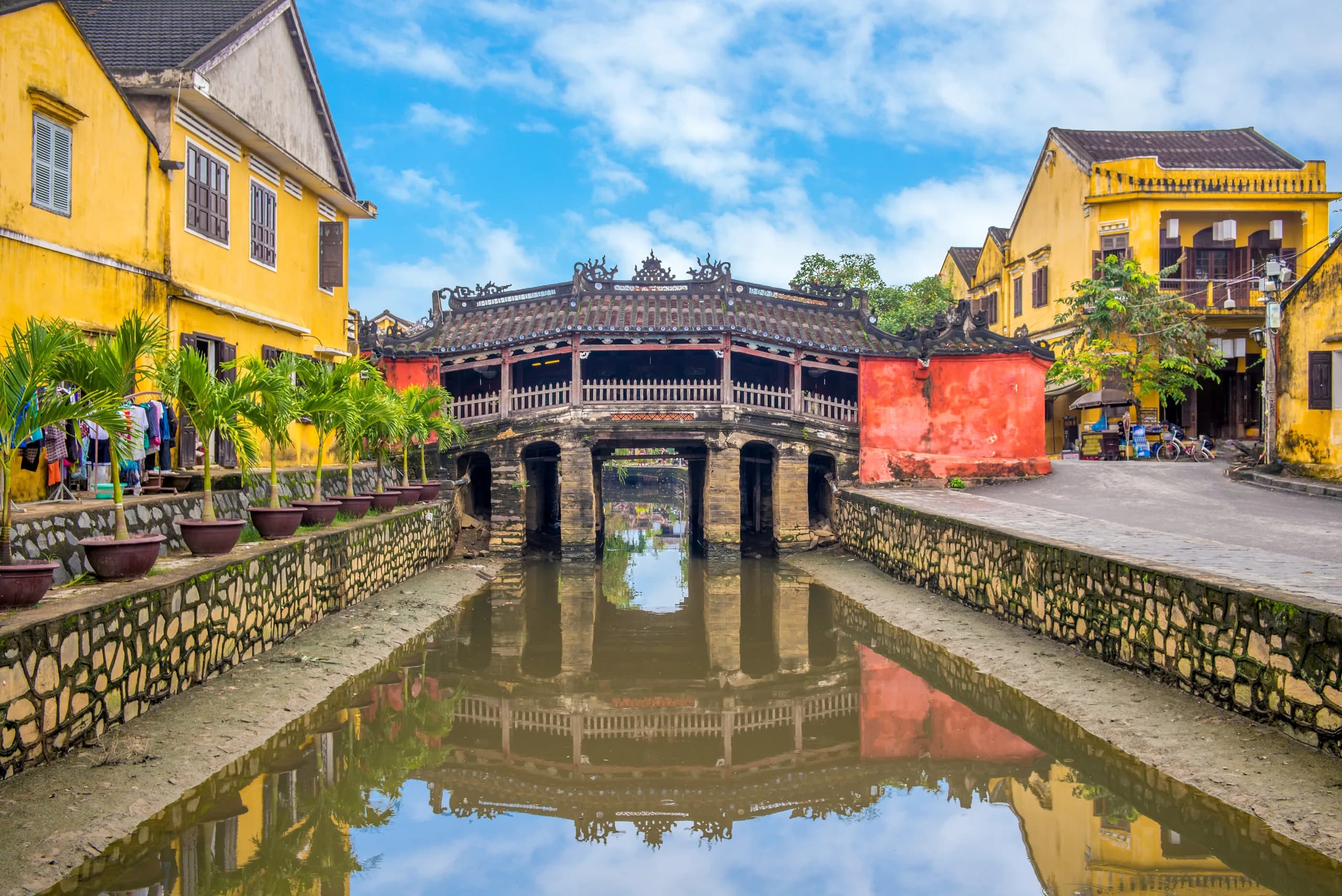 A trip that goes thereHội An & Mỹ Sơn3 days · From ~$160