
The Centre
How to Photograph Phong Nha Caves: Locations, Light, and Timing
Master the art of cave and landscape photography in Phong Nha-Kẻ Bàng. Learn the best camera settings, locations, and timing for your shoot.
By Trip2VN Editorial · 3 min read · Published Aug 31, 2026
How to photograph Phong Nha caves and landscapes
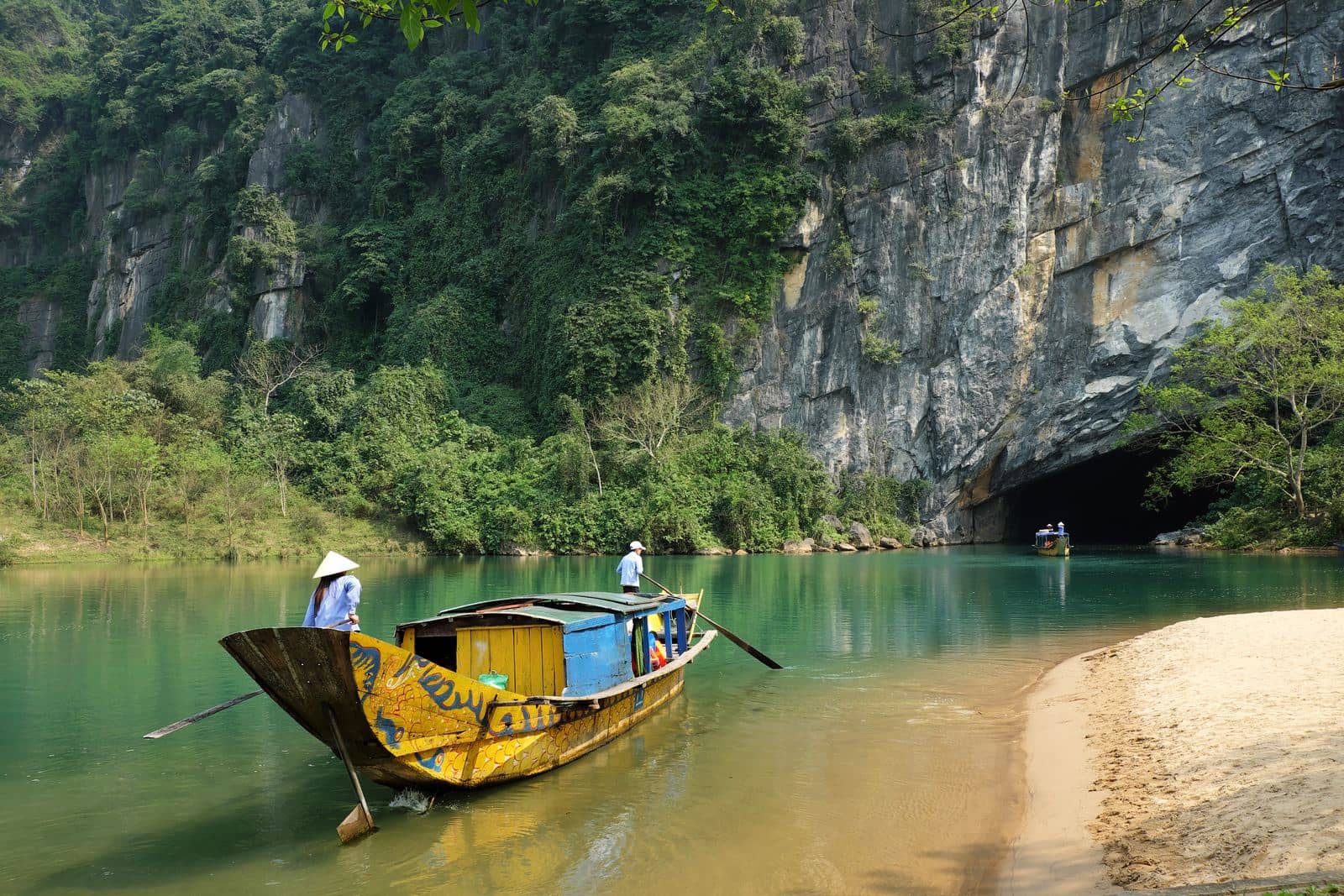
Photographing Phong Nha caves requires a tripod, a camera with high ISO capability, and manual focus settings. Automatic camera focus often fails in dark cave environments. The best cave photographs combine dark interiors with natural light beams entering from sinkholes. These light beams usually appear between 11:00 AM and 1:00 PM on sunny days from March to August. For landscape shots outside, the golden hours just after sunrise and before sunset offer the softest light over the karst mountains and Sông Son. You should bring a waterproof bag to protect your camera gear from water drips inside the caves.
What are the best camera settings for cave photography?
Inside caves like Động Phong Nha or Động Thiên Đường, light levels are extremely low. Set your camera to manual mode and use a wide aperture like f/2.8 or f/4 to let in light. Keep your ISO between 1600 and 6400 to avoid excessive digital noise while maintaining detail. Because shutter speeds will be slow, often between 1 and 30 seconds, a sturdy tripod is necessary. Turn off your camera's flash, as it flattens the texture of the limestone formations. Instead, use the artificial lights installed along the tourist paths to illuminate the background.
Where to capture the best outdoor landscapes in Phong Nha?
The rural landscapes surrounding Phong Nha-Kẻ Bàng National Park offer excellent outdoor photography opportunities. Sông Son is a prime location, where local farmers cultivate green riverweed. Photograph this river from the suspension bridges or hire a local boat from the tourism center for prices from $15 (approximate). Another excellent location is the Bồng Lai Valley, located about 15 kilometers from the town center. Here, you can capture traditional wooden houses, grazing water buffaloes, and vast rice fields against a backdrop of limestone peaks. The best time for these outdoor shots is late afternoon when the sun sinks behind the karst mountains.
How does seasonal weather affect photography in Phong Nha?
Weather in Central Vietnam changes significantly between seasons, directly affecting your photography. The dry season runs from April to August, offering clear skies, predictable sunbeams, and dry cave paths. This is the ideal period for capturing high-contrast light inside caves and bright green landscapes outside. Conversely, the rainy season from September to December brings heavy downpours and occasional flooding. During floods, rivers rise and access to Động Phong Nha by boat is suspended. If you plan to shoot during the wet season, consult a Trip2VN specialist to check current cave accessibility and local weather forecasts.
The next step
Bring this into your trip
Tell us what caught you here — a specialist builds the days around it and replies with a clear price.
Plan this trip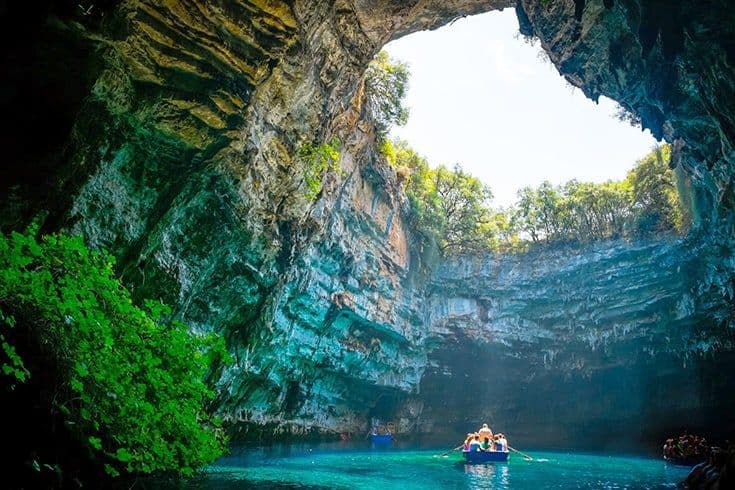 A trip that goes therePhong Nha Caves1 day · From ~$75