

The Mekong
The Slow Mekong — Rivers, Orchards, and Life on the Water
A journey through the Mekong Delta's canals, orchards, and fading floating markets, where the river sets the pace and asks you to slow down.
By Trip2VN Editorial · 8 min read · Published Jul 2, 2026
Why the Mekong, Why Now
A couple of hours southwest of Hồ Chí Minh City, the roads thin out and the rivers take over. The Mekong Delta is not a quick detour—it's a different world, one built on water instead of land. This is where much of Vietnam's rice is grown: the flat flood plains feed the country, and the rivers that sustain them have shaped a way of life that moves at the speed of a boat.
Most travelers see the Mekong as a day trip. They hire a guide, speed-boat to a floating market, stop at a coconut-candy workshop, and return to Sài Gòn by dinner, checking the box. They miss everything.
The real Mekong is slower. It's staying overnight in an orchard among stilt houses, waking to the sound of water and roosters. It's understanding that every visible thing—the ferries, the boats, the way houses are built on stilts, the crops that emerge from the water—is a response to a simple fact: the river is in charge here, not the people.
The Delta and Its Waterways
The Mekong Delta spreads across the flat southwest of the country, a vast triangle reaching from near Hồ Chí Minh City down to Cà Mau, the southernmost tip of Vietnam. The Mekong River, arriving from Cambodia, doesn't stay a single river—it splits into a web of distributaries, hundreds of smaller rivers and canals that fan out like fingers across the land.
This network of water is not accidental. The river carries a huge load of sediment down from upstream, constantly building new land at its mouths. Villages string along canals rather than roads. Ferries do the work of buses. Many children still go to school by boat. The ground is too soft, too wet, too alive with water to be tamed by ordinary roads. The delta didn't build a road system that conquered the water—it grew a water system, and roads came late.
When you travel through the delta, you travel by boat. Wooden boats, narrow and painted, propelled by a long pole or a small motor. The boats cut between water hyacinth, past fishermen in conical hats, past long-tail boats carrying vegetables to market. The air smells like river, like mud, like growing things.
The Orchards: Miệt Vườn
Among the waterways lie the orchards—miệt vườn in Vietnamese, a unique landscape that exists nowhere else. The word itself means "jungle of fruit." These are not orderly plantations but dense, tangled groves where mangoes, coconuts, papayas, and custard apples grow in layers, shaded by each other, connected by narrow water channels.
Walking through an orchard is disorienting. The canopy is thick. The air is humid and alive with insects. The fruit hangs so close you can reach out and pick it. Locals know which trees fruited last week and which will fruit next month. They know which paths are flooded in which seasons. They navigate by landmarks—a particular house, a distinctive tree—that mean nothing to outsiders.
This is a landscape shaped by centuries of human presence, but it doesn't look controlled. It looks wild, because the Mekong's rhythm is still stronger than any farmer's plan. In the flood season, the orchards fill with water, and the trees that have adapted to it—many on raised platforms or stilts—survive. The rhythms of the delta are the rhythms of water, and the people who live here have learned to read them.
Many homestays and tourist accommodations now operate among these orchards, offering visitors a place to stay in houses built on stilts, to eat meals cooked from fruit picked that morning, to wake without a clock and move by the water's rhythm instead.
The Floating Markets and Their Decline
Cái Răng Floating Market, on the Cần Thơ River about seven kilometers from Cần Thơ city center, is the most famous floating market in the region. It's been recognized as a national intangible cultural heritage by Vietnam's Ministry of Culture, Sports, and Tourism. In early morning, dozens of boats loaded with produce converge on the market—coconuts, bananas, watermelons, papayas—and vendors buy and sell directly from boat to boat, haggling over prices and quality.
But honesty demands this: the floating markets are not what they once were. Roads are replacing rivers. Bridges now span the waterways where ferries once operated. Most people in the delta now travel by motorbike or car rather than boat. The floating markets survive as cultural symbols and tourist attractions, not as the primary commerce of the region. The morning market at Cái Răng is still real—locals still buy produce there—but it's smaller, quieter, and more visible to cameras than it was twenty years ago.
When you visit, you're seeing something that survives partly because visitors come to see it. That doesn't make it fake, but it's worth knowing. You're watching a way of life in transition, held together by heritage status and tourism as much as by trade. Go early, buy something from a boat, and treat the vendors as the working people they are, not as scenery.
Staying Through the Seasons
The delta's rhythm is dictated by water, and the water's rhythm is dictated by seasons. The flood season, mùa nước nổi, occurs roughly in autumn, when water levels rise significantly and overflow into the lowlands. The orchards flood. The landscape transforms into a patchwork of water and raised islands. Travel is slower, passage more restricted, but the air cools slightly.
The dry season, from winter through spring, sees water levels drop. The landscape emerges. Harvest begins. This is when most tourism happens, because access is easiest.
Staying for a week or a month changes what you see. You notice patterns. You realize the same boatman takes the same route every morning. You recognize vendors at the floating market. You understand which paths are navigable in which season. A day trip erases all of this. A stay among the orchards, particularly one that spans a seasonal change, reveals how completely the landscape and its people are governed by water.
Cottage Industries and Coconut Candy
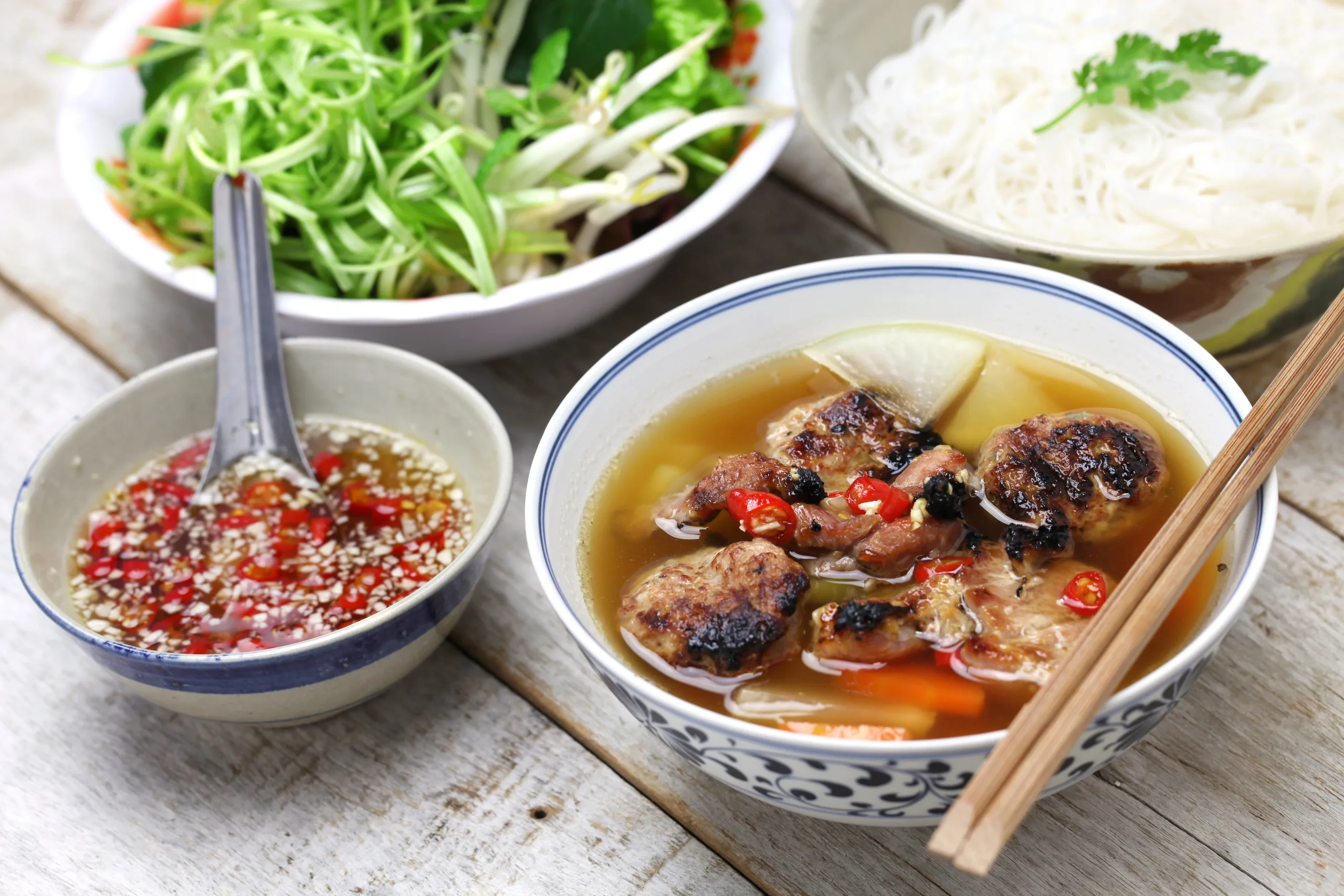
Throughout the delta, small workshops turn river-country produce into everyday goods. Coconut candy, boiled and pulled from fresh coconut, is made in kitchens the size of a bedroom, with equipment that has barely changed in decades. Rice paper is dried on woven racks in family yards. Puffed-rice snacks are popped over open flames. These aren't factories dressed up for tourists—most are real production sites that let visitors watch because tourism is a new market for products once sold only to neighbours.
Visiting a coconut-candy workshop, you see how small-scale food production still works here. You're also watching a way of making things that city factories can now do faster and cheaper. In the delta it persists, partly because it earns a living, and partly because there's no strong reason to abandon what has worked for generations.
The Real Stay
The day-trip model—arrive, see floating market, visit a workshop, leave—is efficient and empty. The real Mekong reveals itself to people who stay.
Arrange to sleep in an orchard homestay, a simple house built on stilts or poles, where the ground beneath is water in season and mud otherwise. Have the owner hire a boatman for morning. Go out on the water while the city sleeps. See the market before crowds arrive. Come back for breakfast cooked from produce grown outside. Spend the afternoon walking the narrow paths between fruit trees, or sitting in a hammock, or helping with whatever work is happening that day.
Eat dinner with the family. Talk about their orchard, the rise and fall of the water, the price of rice this season. Some hosts speak good English, some only a little, and a guide bridges the rest. The conversation won't be profound, but it will be real.
Stay for two nights if you can. The first night is tourism. The second night, you start to understand the place. You notice the sound of the water, the rhythm of boat traffic, the color of the light at different times of day. You understand why people have built their lives here, on water, for centuries.
Going Slow Is the Whole Point
The Mekong Delta isn't a monument to visit. It's a landscape to inhabit, temporarily, and let yourself be reshaped by its rhythms. The river doesn't care about your schedule. The orchards produce fruit when they produce fruit. The water rises when it rises. The people who live here have learned to align themselves with these facts rather than resist them.
This is why rushing through defeats the purpose. Why a speedboat to three stops and back to the city is not the Mekong. The real experience is the slowness itself—the long, narrow boat ride through a landscape of water and green and sky, the quiet of an orchard at dawn, the realization that this enormous food system that feeds half a country operates at the pace of a river current.
Come to the Mekong Delta to stop hurrying. Come to remember what rhythm feels like when it's set by water instead of schedules. Come to eat fruit that was on the tree that morning. That's the journey.
If a slow night among the orchards sounds like your kind of travel, tell Trip2VN — a specialist will arrange the homestay, the boat, and the timing, and come back with a clear quote.
The next step
Bring this into your trip
Tell us what caught you here — a specialist builds the days around it and replies with a clear price.
Plan this trip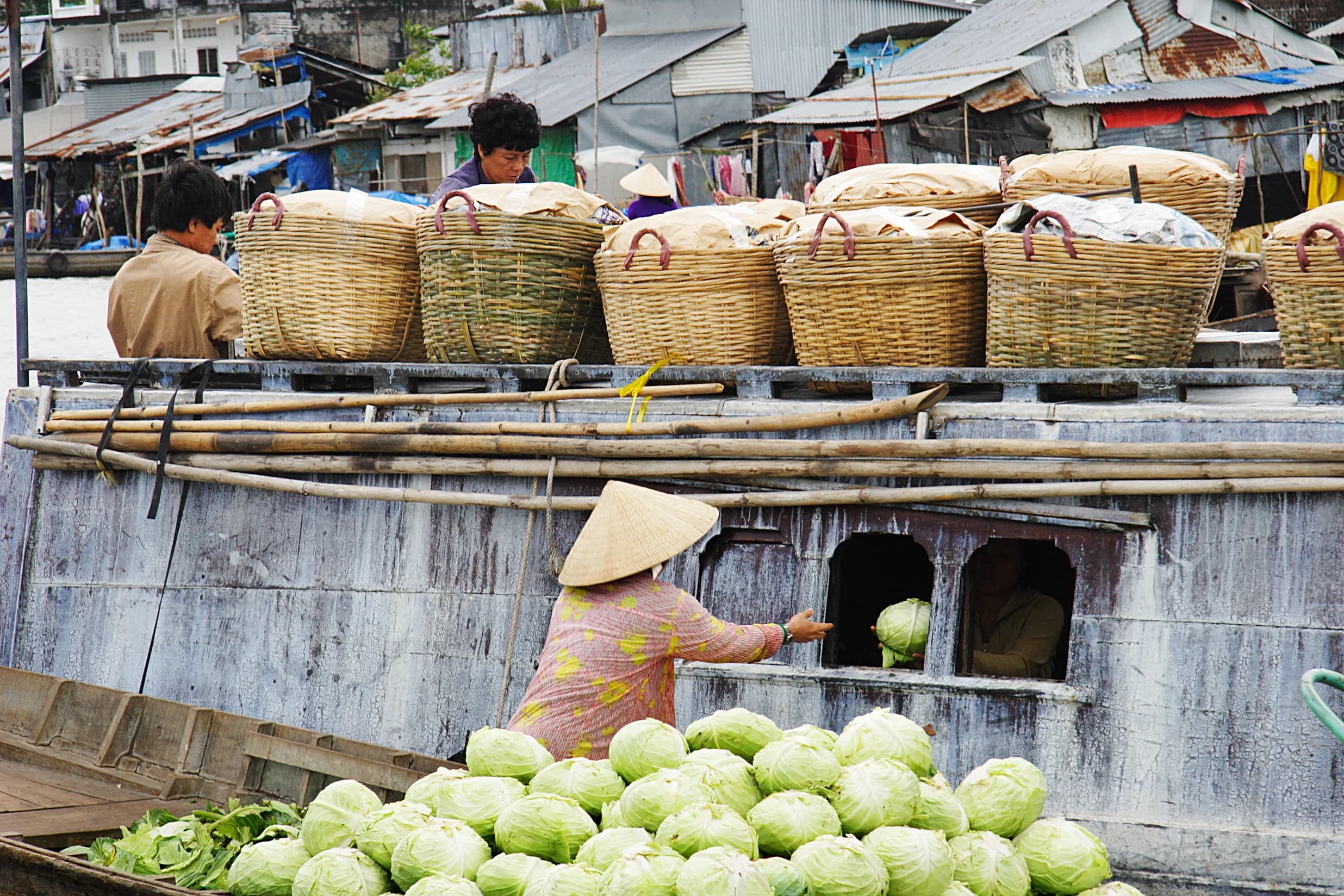 A trip that goes thereMekong Delta3 days · From ~$140