
The North
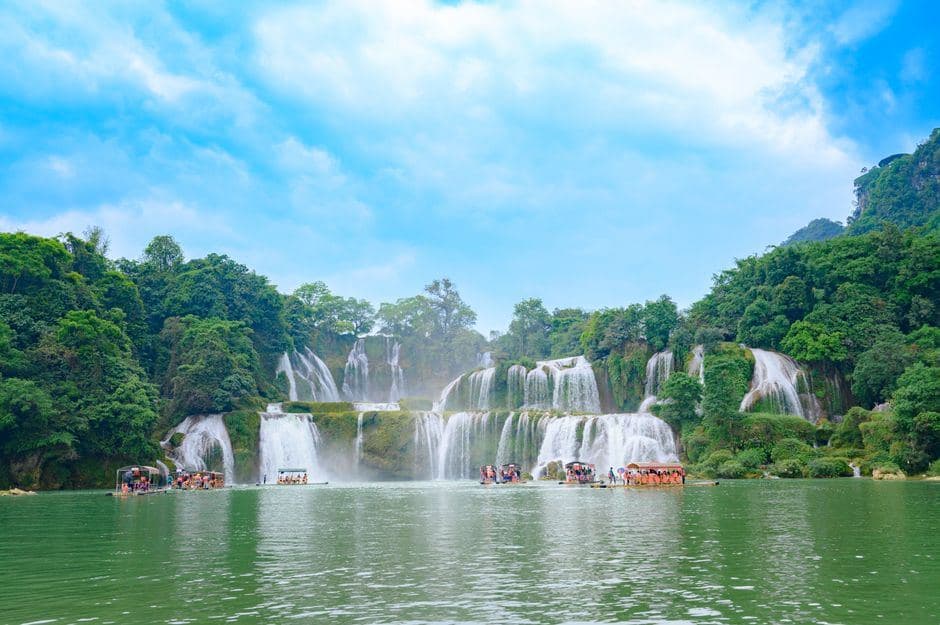
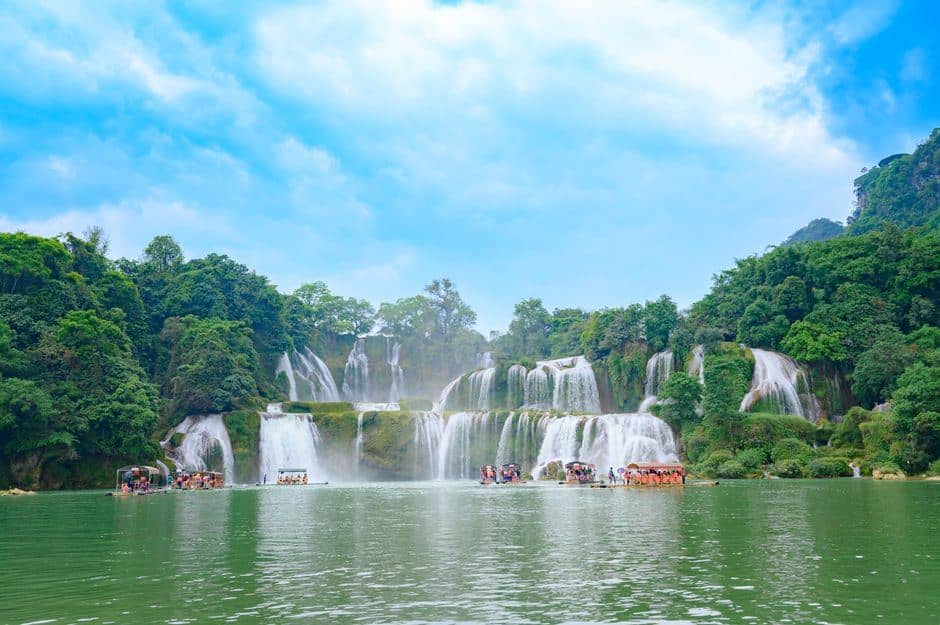
Solo Travel in Cao Bằng and Bản Giốc Falls: Safety, Logistics, and Homestays
A practical solo travel guide to Cao Bằng and Bản Giốc Falls, covering public buses from Hà Nội, road safety, and social homestays.
By Trip2VN Editorial · 4 min read · Published Sep 18, 2026
Is Cao Bằng safe and manageable for solo travelers?
Cao Bằng is safe and manageable for solo travelers who plan their routes ahead of time. Violent crime is rare across the province, and local residents in northern border communities are generally welcoming to independent visitors. The primary risks are road conditions, steep mountain passes, and limited English proficiency outside main towns. Having an offline map and a translation app helps solve most navigation and communication issues. Mobile network coverage remains strong along national highways like QL4A and QL3, though remote valleys occasionally lose reception.
How to get from Hà Nội to Cao Bằng and Bản Giốc Falls?
Overnight sleeper buses and daytime limousine vans depart daily from Hà Nội to Cao Bằng city. The 280-kilometer road journey takes approximately six to eight hours. From the city center of Cao Bằng, Bản Giốc Falls sits 85 kilometers northeast in Trùng Khánh district. You can catch a local public bus running every 30 minutes from Cao Bằng bus station directly to the falls. Alternatively, hire a taxi or book a private car transfer through your guesthouse. Ticket prices for local buses start from $4 (approximate) each way.
How to navigate mountain roads safely as a solo traveler?
Renting a semi-automatic scooter is common in Cao Bằng city, but only experienced riders should attempt the mountain passes. Roads leading to Mã Phục Pass and the border areas have tight turns, gravel patches, and truck traffic. If you lack two-wheel experience, hire a local motorcycle driver or split a private car with other travelers. Always carry rain gear and avoid riding after sunset, as street lighting is nonexistent on rural mountain highways.
Where to stay and how to meet other travelers?
Staying at community homestays is the easiest way for solo visitors to connect with others. Khuổi Ky stone village, located two kilometers from Bản Giốc Falls, offers traditional Tày ethnic stilt houses. Guesthouse hosts usually serve family-style communal dinners where guests eat together. In Cao Bằng city, hostels near the Hiến River organize group excursions to Nặm Trá Lake and Ngườm Ngao Cave. These shared dinners and day trips make it easy to find travel companions.
The next step
Bring this into your trip
Tell us what caught you here — a specialist builds the days around it and replies with a clear price.
Plan this trip A trip that goes thereHà Giang Loop4 days · From ~$230