
The North
Where to Photograph Cao Bằng and Bản Giốc Falls: Locations, Timing, and Light
Master your photography trip to Cao Bằng with ideal vantage points, lens recommendations, and lighting tips for Bản Giốc Falls, Phong Nậm, and Khau Cốc Chà Pass.
By Trip2VN Editorial · 4 min read · Published Sep 11, 2026
When is the best time and light to photograph Bản Giốc Falls?
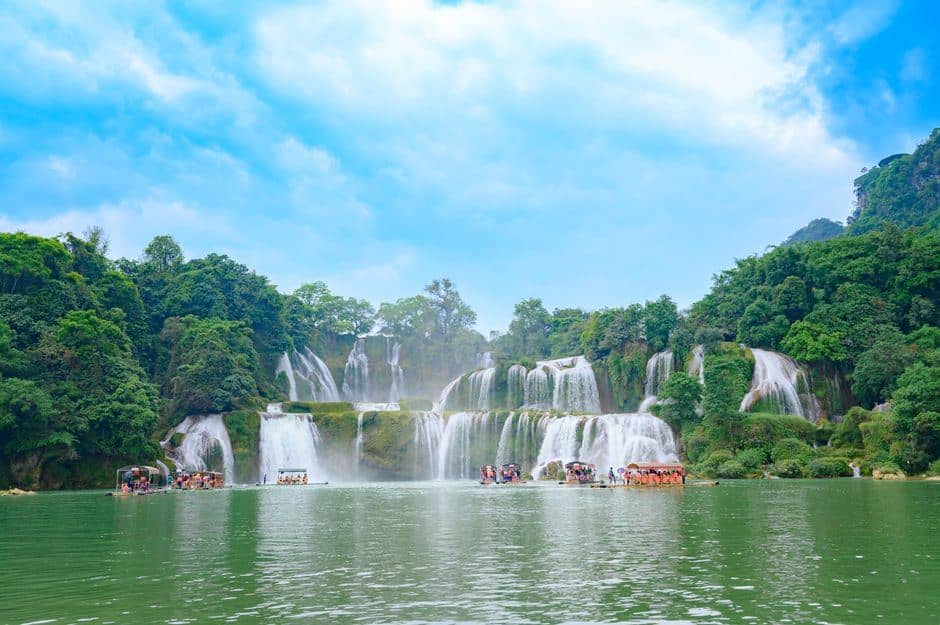
The best light for photographing Bản Giốc Falls occurs in the morning between 7:30 AM and 10:30 AM when the sun illuminates the multi-tiered cascades from the east. Plan your shoot between September and October, when river volume is strong and the surrounding valley rice paddies turn yellow. Set up your tripod along the Quây Sơn riverbank downstream for wide compositions that capture both the limestone backdrop and water reflections. Bamboo rafts take you close to the spray, but keep protective rain covers on your camera body. Direct midday sunlight creates heavy contrast across the gorge, so return in late afternoon around 4:00 PM for softer side lighting.
Where should you photograph landscapes along the Quây Sơn River?
The prime landscape photography section along the Quây Sơn River runs through the Phong Nậm valley in Trùng Khánh district. Ground mist often gathers over the green river water between 6:00 AM and 7:30 AM, creating clear layers against the karst peaks. Follow Provincial Road 206 and scout the walking paths near local wooden bridges in Phong Nậm village. Local farmers working riverside fields provide strong focal points. A 70-200mm telephoto lens helps compress the distance between rural farming scenes and vertical cliffs. In the late afternoon, golden light fills the valley floor until the sun dips behind the western ridges around 5:00 PM.
How do you photograph the winding mountain passes in Cao Bằng?
To photograph the 14-tier Khau Cốc Chà Pass in Bảo Lạc, hike forty-five minutes up the marked mountain trail to the viewing ridge. The lookout point faces straight down across the stacked hairpin turns, which requires an ultra-wide 16-35mm lens. Arrive before 9:00 AM to capture morning valley fog weaving between the road curves. For Mã Phục Pass on Highway 3, pull off safely at designated shoulder clearings near the summit in late afternoon. The road cuts cleanly between two limestone hills. A tripod and a slow shutter speed at dusk let you trace passing vehicle headlights against the dark rock faces.
What camera gear and local rules should photographers prepare for Cao Bằng?
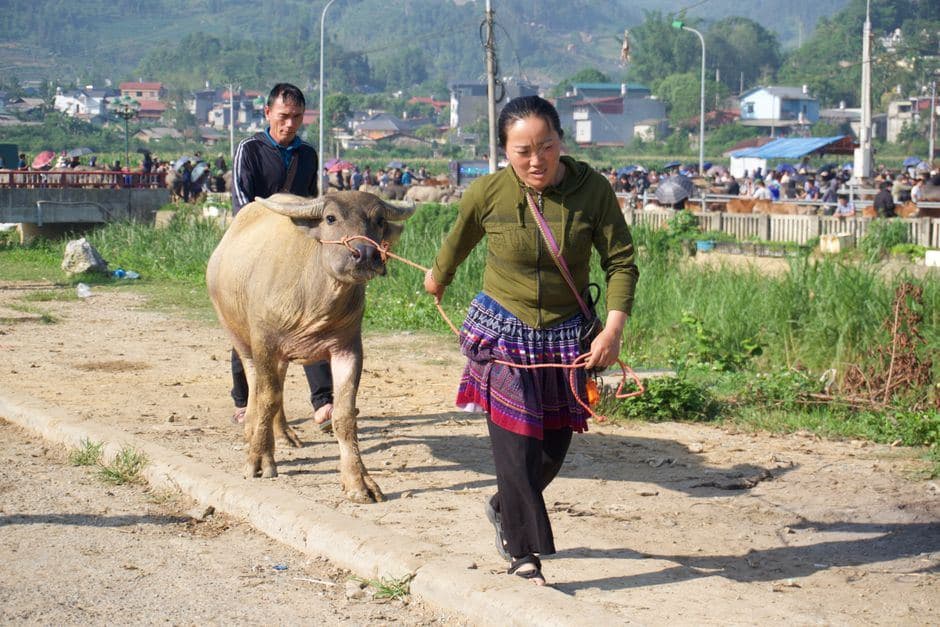
Bring a circular polarizing filter (CPL) to cut water glare and neutral density (ND) filters for smooth waterfall exposures at Bản Giốc. High mountain humidity makes silica gel packs and lens cloths mandatory. Mountain mornings are cool, so pack spare camera batteries since cold temperatures reduce battery life. When photographing residents in Tày and Nùng villages, ask for permission before shooting close portraits. Keep in mind that Bản Giốc is an active border area. Operating consumer drones here requires formal flight permits from local border authorities, so verify current rules with a local specialist before flying.
The next step
Bring this into your trip
Tell us what caught you here — a specialist builds the days around it and replies with a clear price.
Plan this trip A trip that goes thereHà Giang Loop4 days · From ~$230