Hồ Dynasty Citadel
A UNESCO-listed stone fortress and the heart of the Hồ dynasty's realm — crenellated walls, gates and moats built from massive ashlar.




 🖼 5 fotos
From the stone gates of the Hồ Dynasty Citadel to the rice valleys of Pù Luông and the long beaches of Sầm Sơn.
Thanh Hóa spans from the stone citadel of the ancient Hồ Dynasty to the long beaches of Sầm Sơn and the misty Pù Luông nature reserve. The province is a blend of built heritage and wild landscape — ancient architecture on one horizon, rice valleys and forested reserves on another.
Most travellers come for Pù Luông's rice terraces and mountain villages — homestays let you walk among paddies and sit with families at breakfast. Combine it with Hồ Dynasty Citadel for history, and Sầm Sơn for an easier beach retreat after the highlands.
A UNESCO-listed stone fortress and the heart of the Hồ dynasty's realm — crenellated walls, gates and moats built from massive ashlar.
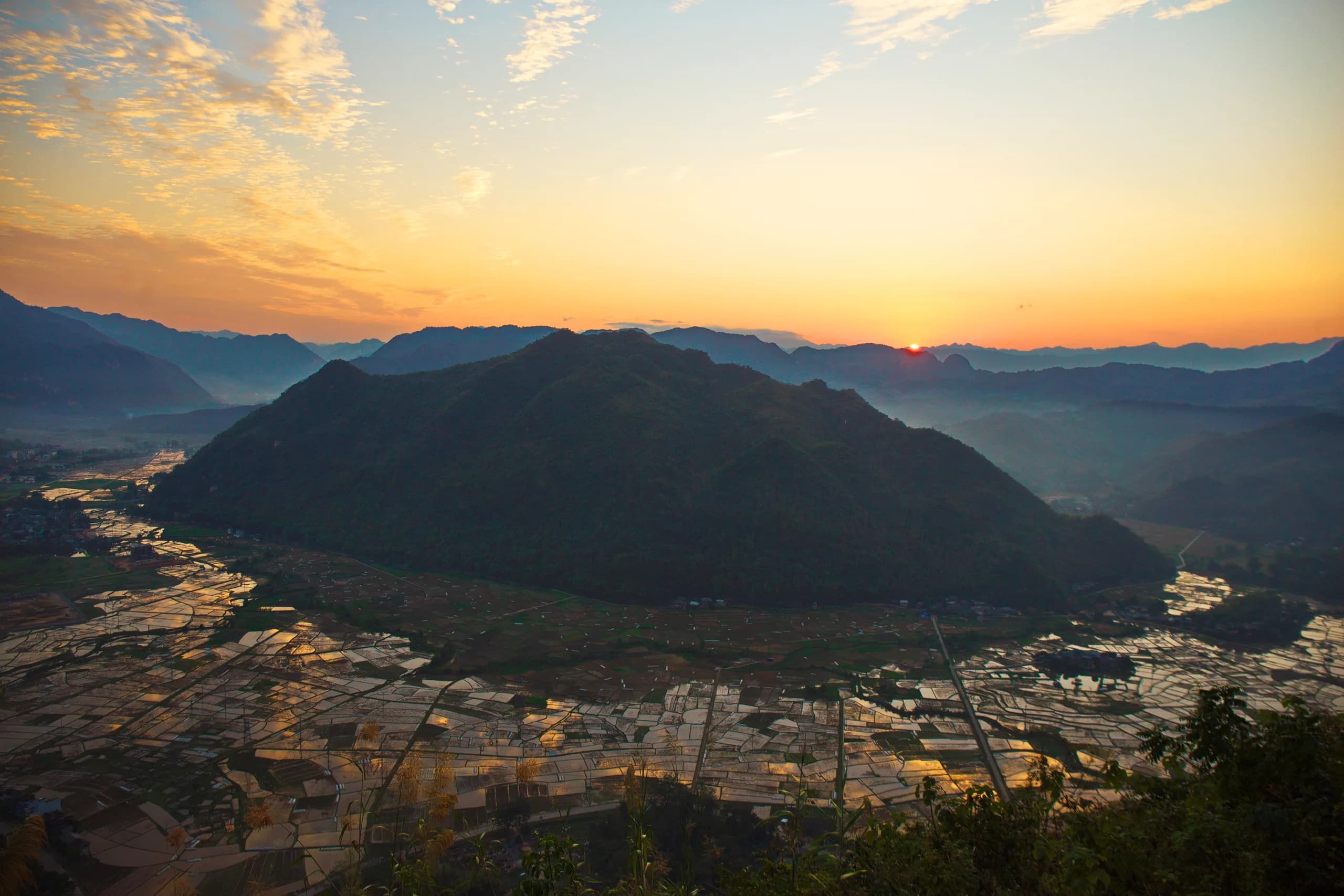
Limestone mountains clothed in primary forest, with rice terraces and Tày villages nestled below — homestays offer genuine immersion.
Through Pù Luông's valleys — paths between paddies, water buffalo herds, farmers at work and the texture of seasonal rhythms.
A long sandy coast known for its healing sea air and quiet atmosphere — resort town but less crowded than southern beaches.
A forested reserve with hiking trails and a small lake — quieter than Pù Luông but equally rewarding for nature walks.
Beyond the main citadel, old pagodas and French colonial buildings dot the province — quiet historical sites without tourist crowds.
Sticky rice & herbs (xôi cốm)
Sticky rice mixed with young green rice powder and served with pork or salted egg — Thanh Hóa's gift to northern breakfast.
River shrimp & crab
From the rivers and wetlands of Pù Luông — grilled or in soup, fresh and simple.
Sầm Sơn seafood
Beach town seafood — grilled fish, squid and shellfish sold fresh at market stalls and beachside huts.
Bánh đắp & bánh tráng
Local rice cakes — steamed and slightly sweet, eaten with soup or pickled vegetables.
18 historias·Última historia: 6 sept 2026
 The NorthLugares para visitar cerca de Mộc Châu: excursiones y desvíos sencillos
 The NorthCómo moverse por Pù Luông: opciones de transporte local y precios realesThe NorthLos mejores lugares para fotografiar en Pù Luông: dónde y cuándo hacer fotosThe NorthQué hacer en Pù Luông por la noche: actividades nocturnas y vida local
66 alojamientos en el directorio
Las preguntas prácticas más frecuentes sobre Thanh Hóa, respondidas en breve.
~150km south, about 3 hours by car or bus — slightly longer than Ninh Bình but less touristy.
October to November: cool and clear. May–August: summer farming season in Pù Luông, green and lush. December–February is mild but can be misty.
Yes — homestay hosts are welcoming and fellow trekkers are common. Paths are well-used and safe.
Absolutely — visit the Hồ Dynasty Citadel, then drive inland to Pù Luông for a 2–3 day homestay trek.
Cómo llegar
Bus or car south from Hà Nội; train also passes through the province; Thanh Hóa is on the main north-south route.
Cómo moverse
Hire a driver for scattered sights, or join organized tours to Pù Luông; local guides are recommended for homestays.
Day 1 — citadel
Explore the Hồ Dynasty Citadel's walls, gates and courtyards. Stay in Thanh Hóa city.
Days 2–3 — Pù Luông
Drive inland to Pù Luông, settle in a village homestay. Trek through rice valleys, meet locals, sleep in stilt houses.
Day 4 — beach
Return to the coast, spend the afternoon or evening at Sầm Sơn beach.
Thanh Hóa city
The provincial hub with the Hồ Dynasty Citadel — hotels, restaurants and guides for Pù Luông.
Pù Luông nature reserve
Mountain villages and rice terraces — homestays offer 2–3 day immersion treks.
Sầm Sơn beach
Coastal resort area — wide sandy beach, seafood and sea-bathing convenience.
Planifica tu viaje
Cuéntanos quién viene y qué quieres ver. Un especialista responde con una ruta y un precio claro — normalmente en pocas horas.
Planificar este viaje