

The North
Sapa Trekking Routes: How to Book a Local Guide
Plan your Sa Pa trekking trip with our guide on choosing routes, hiring local guides, and booking ahead.
By Trip2VN Editorial · 3 min read · Published Aug 10, 2026
How to choose Sa Pa trekking routes and book a guide?
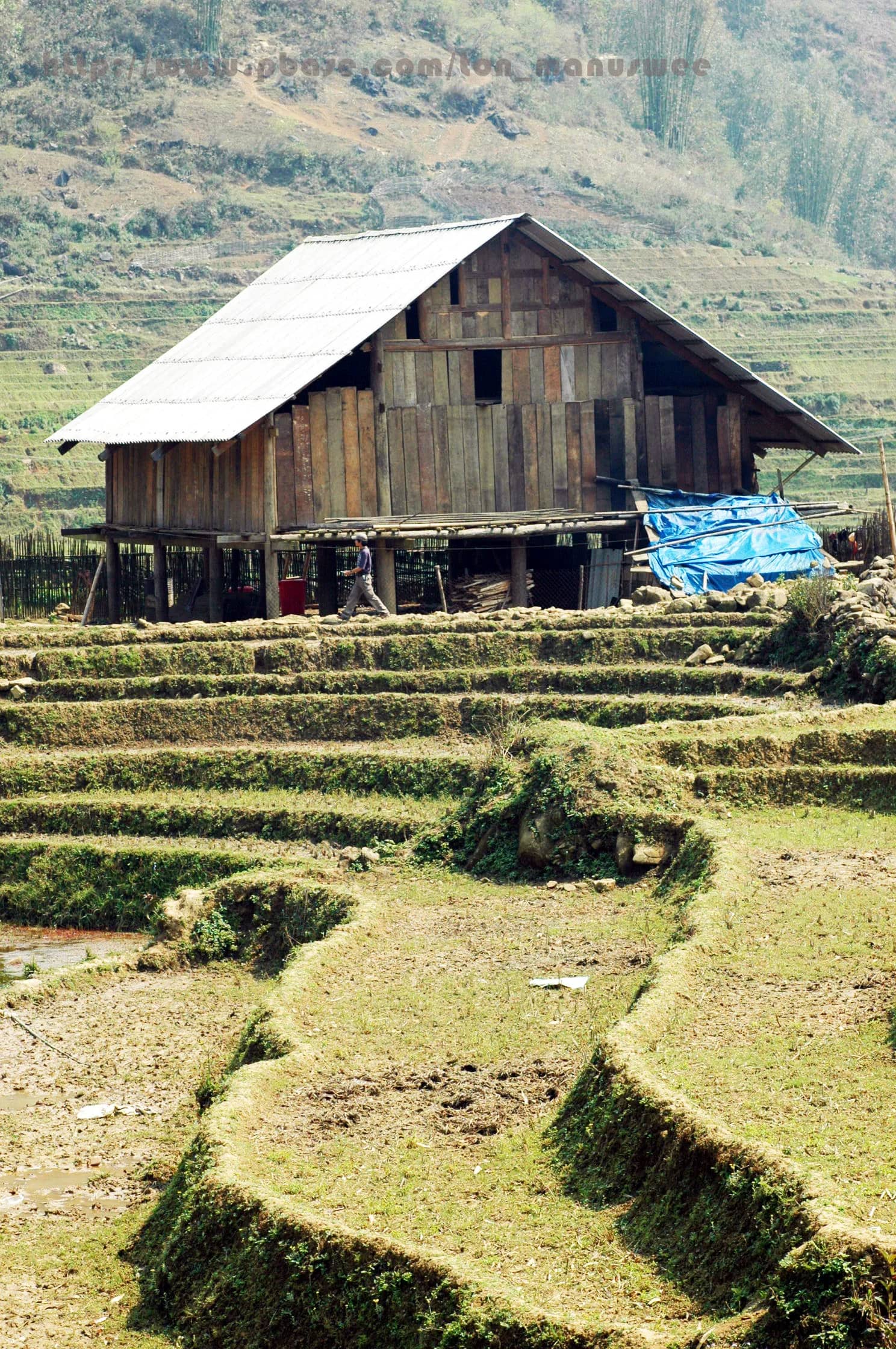
To trek in Sa Pa, you should book a local guide from the Black Hmong or Red Dao ethnic groups, as self-guided treks often lead to private farmland or confusing unmarked trails. The most common route goes through the Mường Hoa valley, passing through Y Linh Hồ, Lao Chải, and Tả Van villages. For a quieter path, choose the northern routes around Tả Phìn or Bản Khoang villages. You can book guides through local homestays, community-based tourism cooperatives, or travel agencies in Sa Pa town. Booking at least two weeks in advance is recommended during the harvest season from August to September.
Which Sa Pa trekking routes fit your fitness level?
Sa Pa trekking routes range from easy half-day walks to strenuous multi-day mountain climbs. Easy routes follow paved paths and dirt roads through Lao Chải and Tả Van, requiring basic fitness and taking three to four hours. Moderate treks last one to two days, crossing steep dirt paths, rice terraces, and small streams to Nam Cang or Thanh Kim villages. Hard treks include climbing Mount Fansipan, which takes one to two days of steep climbing on rocky terrain. Weather changes these trails quickly, turning dirt paths into slippery mud during the rainy season from May to September.
What should you book ahead for a Sa Pa trek?
You must book your train or sleeper bus ticket from Hà Nội to Lào Cai ahead of time, especially for weekend travel. Overnight trains run daily, with soft-sleeper berths starting from $35 (approximate) per person. Local guides should also be booked in advance if you want a specific language or route. While you can find guides in Sa Pa town daily, booking ahead ensures fair pay directly to local ethnic minority guides. Homestays in outer villages like Tả Van or Nam Cang have limited private rooms, so reserve these early if you prefer not to sleep in a shared dormitory.
What gear and permits do you need for Sa Pa?
Good footwear is critical for Sa Pa trails. Bring worn-in hiking shoes with strong grip, as running shoes slip easily on wet clay. Pack a lightweight waterproof jacket, insect repellent, and a small backpack. You do not need to secure trekking permits yourself; the entry fees for villages like Cát Cát or the Mường Hoa valley are usually included in your guided tour or paid at checkpoints along the road. If you plan to climb Fansipan, your guide must register your details with the Hoàng Liên National Park office beforehand. Get a quote from Trip2VN to arrange all necessary permits and local guides.
The next step
Bring this into your trip
Tell us what caught you here — a specialist builds the days around it and replies with a clear price.
Plan this trip A trip that goes thereHà Giang Loop4 days · From ~$230