
Bà Đen mountain & cable car
The highest peak of the south (~986m) — a cable-car ascent through mist and cloud, with sunrise views across the southern plains.


Tây Ninh rises and settles — the province is crowned by Bà Đen, the southern-most high peak with a cable car climbing through cloud phenomena, and anchored by the vast white Cao Đài Holy See sprawling across a valley floor. Beyond the mountain and the temple lie the Dầu Tiếng lake and the rice plains that merge with the Mekong delta, and the incorporated Long An territory that stretches toward the wetlands.
Most travelers come for one or both: Bà Đen's sunrise and cable-car views, the Cao Đài Holy See's architectural grandeur and the famous noon ceremony (all in white). But stay longer and find serene lakes, the rice belt approaching the delta, and ethnic-minority mountain villages. The contrast — from peak to plain — is the province's quiet strength.
The highest peak of the south (~986m) — a cable-car ascent through mist and cloud, with sunrise views across the southern plains.
A vast white compound with multi-hued dragon staircases and ornate interiors — a blend of Eastern and Western aesthetics.
A meditative ritual performed daily at noon by priests in white, yellow, blue and red robes — the architectural and spiritual centerpiece of the site.
A tranquil reservoir surrounded by hills and the remnants of drowned forests — boat tours and lakeside camping.
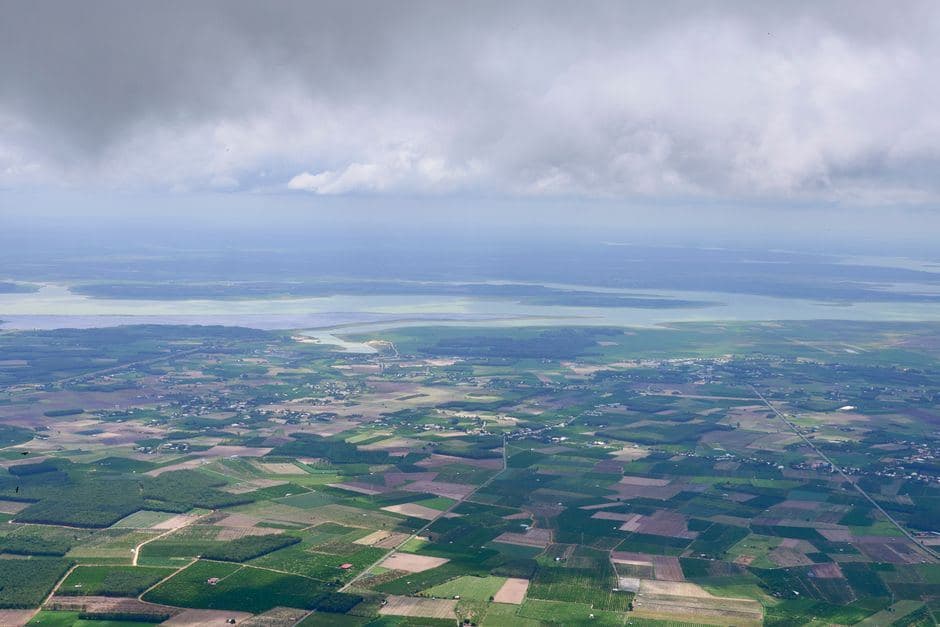
Endless rice fields rippling toward the horizon — the agricultural heartland between the mountains and the delta.
Small highland markets where minority groups gather to trade — a glimpse of upland life beyond the temples and peaks.
Bánh tráng nướng (rice paper crisp)
Trảng Bàng's famous crispy paper made from rice flour and sesame — a paper-thin snack that shatters between the teeth.
Muối tôm (shrimp salt)
Salted shrimp paste unique to the region — a pungent condiment that seasons rice and grilled vegetables.
Phở khô Tây Ninh
Dried noodle specialty of the region — a quick, warming meal eaten with broth or as a standalone snack.
Rice-plain produce
Seasonal vegetables and herbs from the Trảng Bàng plains — eaten fresh in soups and stir-fries.
12 篇故事·最新故事: 2026年9月7日
关于Tây Ninh最常见的实用问题与简短解答。
October to December — cooler and drier. The Cao Đài ceremony is viewable daily at noon year-round.
~100km northwest, roughly 2–2.5 hours by road — an easy day trip or overnight escape.
Yes — Bà Đen sunrise cable car (1–2 hours), return for breakfast, then midday at Cao Đài for the noon ceremony.
Yes — visitors are welcome to observe from the galleries; modest dress is appreciated (covered shoulders and knees).
如何抵达
Road links from TP.HCM are direct and well-maintained; the province is a northern gateway to the Mekong delta.
当地交通
Rent a motorbike or car for the mountain and lake loops; the plains are best explored by vehicle.
Day 1 — peak & temple
Early cable car up Bà Đen for sunrise and cloud phenomena, then down for mid-morning breakfast, afternoon at Cao Đài Holy See.
Day 2 — lakes & plains
Boat tour on Dầu Tiếng lake, stops at lakeside hamlets and rice fields, then sunset over the Trảng Bàng plain.
Bà Đen mountain
The southern peak — cable car, cloud views and the shrine at the summit.
Cao Đài Holy See
The spiritual and architectural centerpiece — daily noon ceremony, ornate interiors and the white compound.
Dầu Tiếng lake
Tranquil waters and forested shores — boat tours, camping and the province's aquatic heart.
Trảng Bàng plains
Agricultural heartland — rice fields, market towns and the gateway to the delta.