
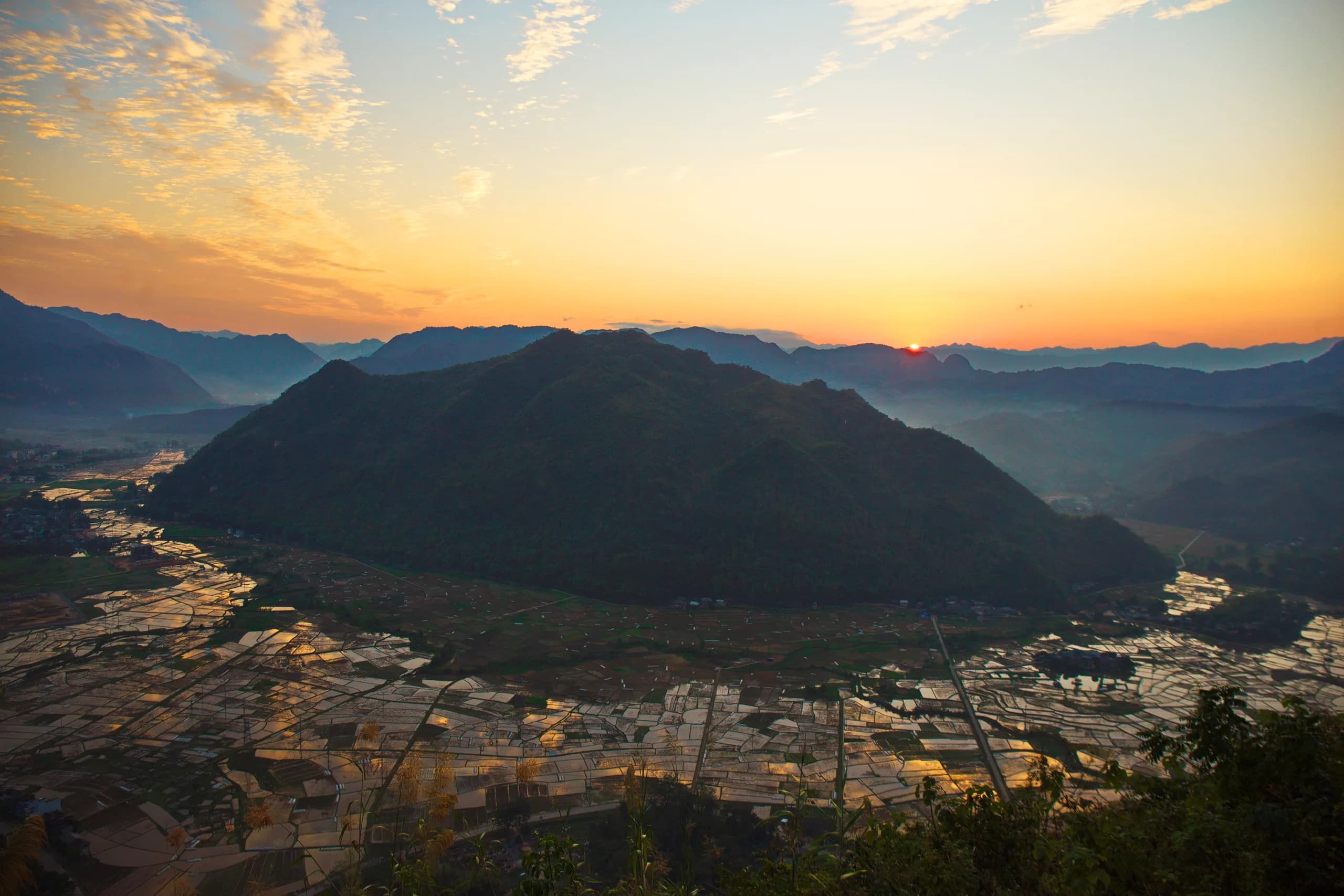
Mộc Châu plateau
The jewel of the north-west — tea plantations, plum blossoms in winter, wildflower meadows in spring, and cool mountain lodges.


Sơn La rides the edge between the lowland and the upland — Mộc Châu's tea and plum-blossom plateau is the province's signature landscape, cool air rising from red earth and valleys far below. The plateau has become a fruit and flower heartland, while Tà Xùa offers one of Việt Nam's most dramatic cloud-hunts, and hot springs pool beneath the mountains.
The province blends agricultural tourism with trekking — pick plums in winter, walk tea plantations at any time, find the Mộc Châu meadows best in spring and early summer, and push deeper for cloud forests and ethnic villages. The lowland south holds hydropower lakes and quieter delta reaches.
The jewel of the north-west — tea plantations, plum blossoms in winter, wildflower meadows in spring, and cool mountain lodges.
A wild, undulating ridge where multi-day trekkers crest above the clouds — one of Việt Nam's most sought-after mountain experiences.
December–January: hillsides explode in white — orchards open for harvest walks and photo ops.
Year-round — pick leaves alongside locals, learn how tea is withered and dried, taste the final product.
Thermal waters pooling in a mountain valley — bare springs and basic lodges offer natural soaking after trekking.
A vast reservoir stretching across the south — boat rides, fishing hamlets and sunset views across the water.
Plums (fresh & preserved)
The province's signature fruit — eaten fresh in winter, dried for year-round snacking, or made into jam.
Sơn La tea
High-grown Oolong and other mountain teas — best when steeped in water heated by the mountain springs themselves.
Thái sticky rice & grilled fish
Traditional Thái stilt-village meals — sticky rice, grilled river fish and foraged greens.
17 stories·Latest story: Sep 13, 2026
 The NorthMộc Châu Festivals: Major Cultural Events and When to VisitThe NorthGetting Around Mộc Châu: Local Transport Options and Honest Prices
 The NorthMộc Châu After Dark: Night Markets, Food, and Evening Guide
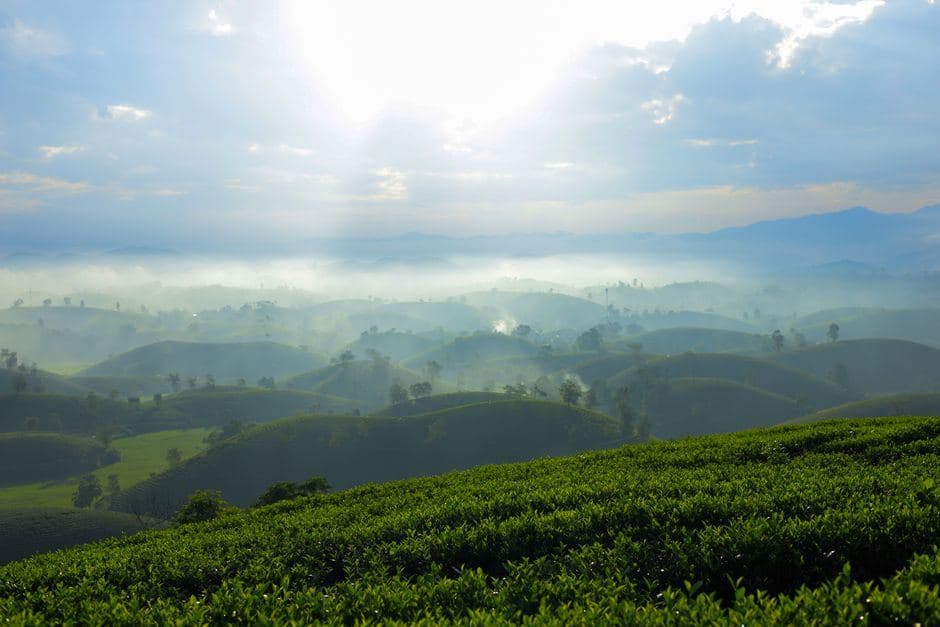
 The NorthWhere to Photograph Mộc Châu: Best Locations, Timing, and Light
15 properties in the directory
The practical questions we hear most about Sơn La, answered briefly.
October to November: clear skies and cool air. December–January: plum-blossom peak. April–May: wildflower meadows. July–August: tea harvest.
~200km west, about 4–5 hours by car or bus.
It's a challenging 2–3 day trek for fit hikers — not technical, but steep, exposed and weather-dependent. Cloud cover is part of the appeal.
Yes — homestays and plantation operators welcome visitors to participate. Best November–January for plums, year-round for tea.
Getting there
Drive west from Hà Nội through Phú Thọ, or fly to Sa Pa and drive south; buses run the route daily.
Getting around
Hire a driver for wider exploration; local guides are essential for Tà Xùa trekking and homestay introductions.
Day 1 — plateau
Drive to Mộc Châu, explore tea plantations or plum orchards, settle in a mountain lodge.
Day 2 — trek or relax
Day hike through meadows, or start multi-day trek to Tà Xùa; alternatively, soak in Ngọc Chiến springs.
Day 3 — lake or return
Drive to Sơn La hydropower lake for boat rides, or head back toward Hà Nội.
Mộc Châu
The plateau hub — tea plantations, plum orchards, wildflower meadows and mountain lodges.
Tà Xùa ridge
Remote trekking terrain — multi-day expeditions for serious hikers seeking cloud forests and solitude.
Sơn La hydropower lake
Southern reservoir and fishing region — boat rides, lakeside villages and sunset views.
Plan your trip
Tell us who is coming and what you want to see. A specialist replies with a route and a clear price — usually within a few hours.
Plan this trip