Sa Pa town & mist
A cool mountain town wrapped in rolling mist — one main street with cafés, shops and the feel of an old-world retreat.




 🖼 5 photos
Terraced valleys, Fansipan's summit and the cool mountain town of Sa Pa.
Lạo Cai is a province of heights — Sa Pa rises cool and misty above the Red River Valley, Fansipan towers behind it as the north's highest peak, and the merged 2025 territory now stretches south to include Yên Bái's terraced rice paddies at Mù Cang Chải and the quiet town of Nghĩa Lộ. Every elevation brings a different world: from highland town cafés to terraced valleys to Bắc Hà's Sunday market where minority traders gather.
Sa Pa itself is the province's beating heart — trekking through rice paddies, visiting H'Mông and Dao villages, sitting in a café as mist rolls through the town's one main street. Fansipan can be climbed by foot (a long day) or cable car. Beyond Sa Pa, the province opens to quieter valleys and market towns where tourism feels thinner and the pace is slower.
A cool mountain town wrapped in rolling mist — one main street with cafés, shops and the feel of an old-world retreat.
 Adventure
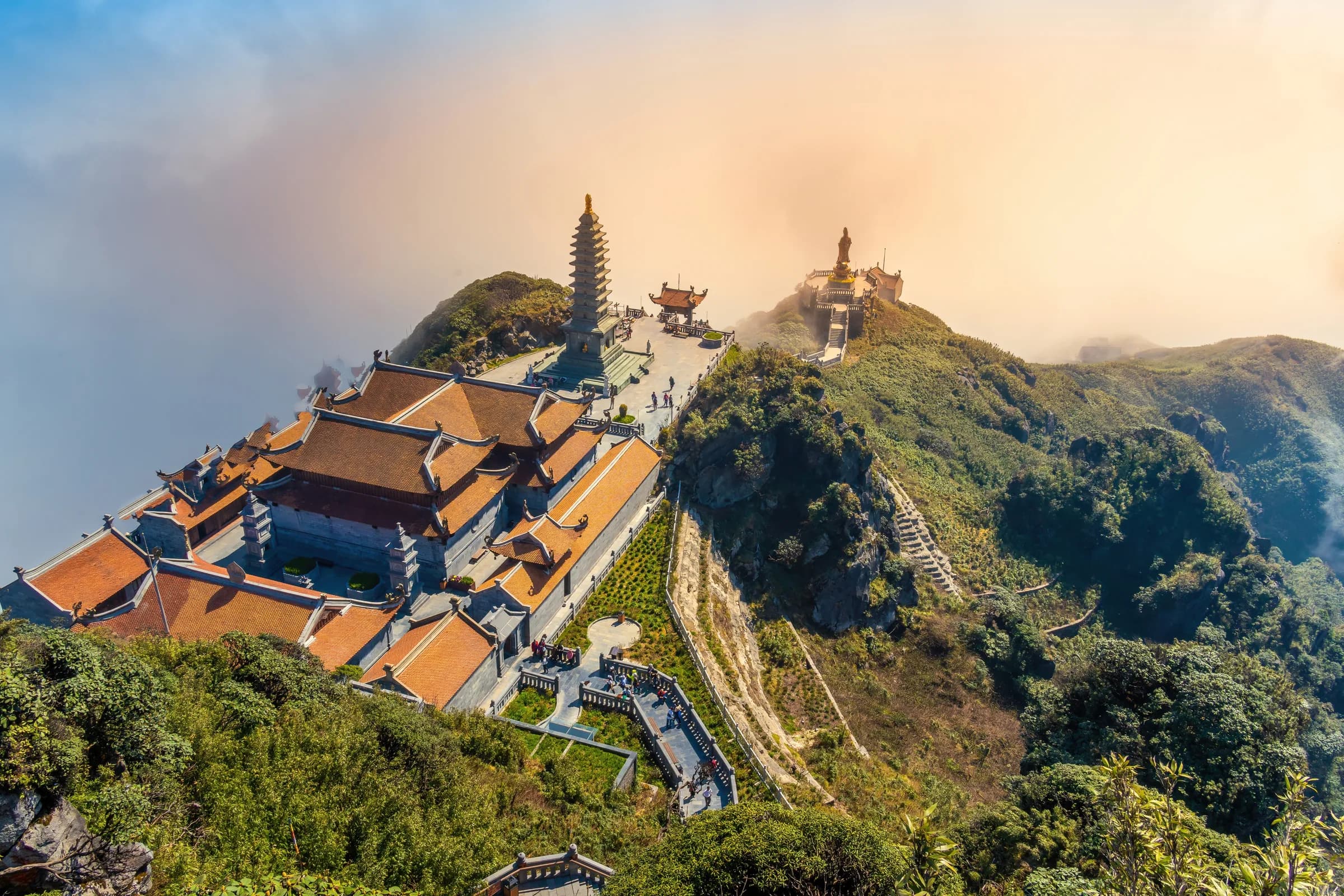
At ~3,143m, the highest peak in the north — climbable by trail (long day) or cable car from Sa Pa.
A silvery cascade plunging down the mountainside near Sa Pa — easily visited on a morning trek.
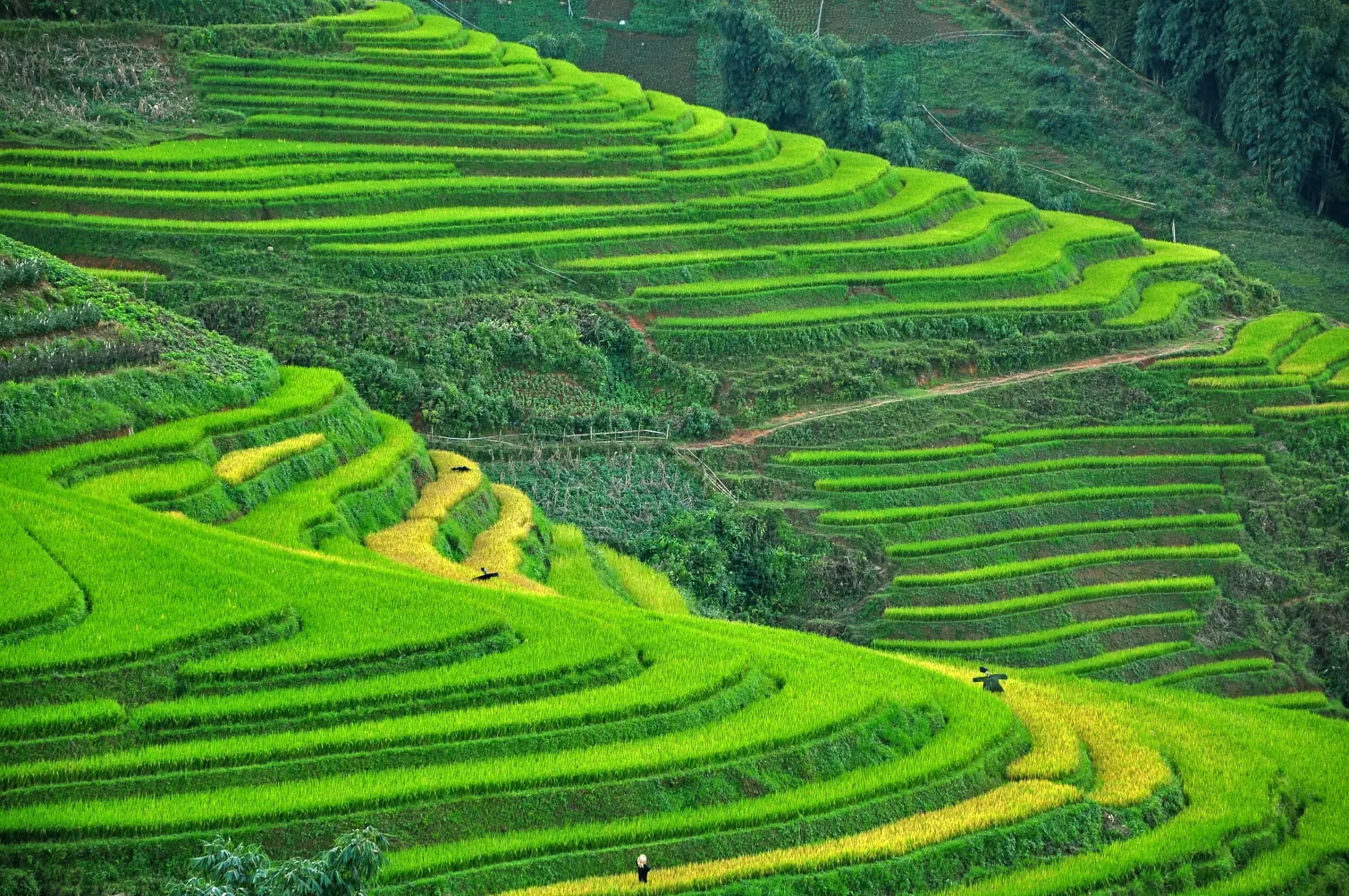
In the merged Yên Bái area — vast sweeping rice paddies carved into hillsides, golden at harvest time.
 Culture
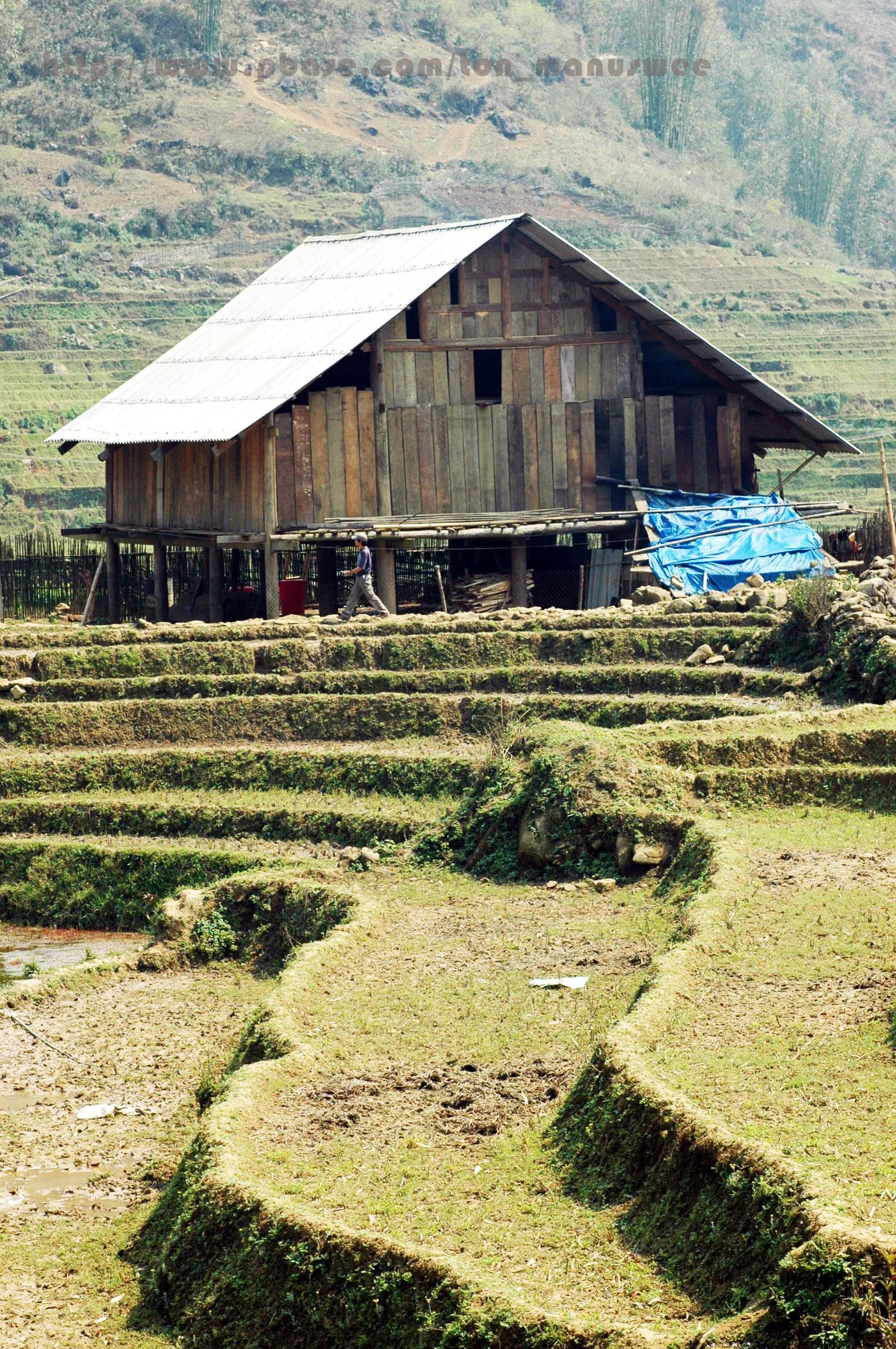
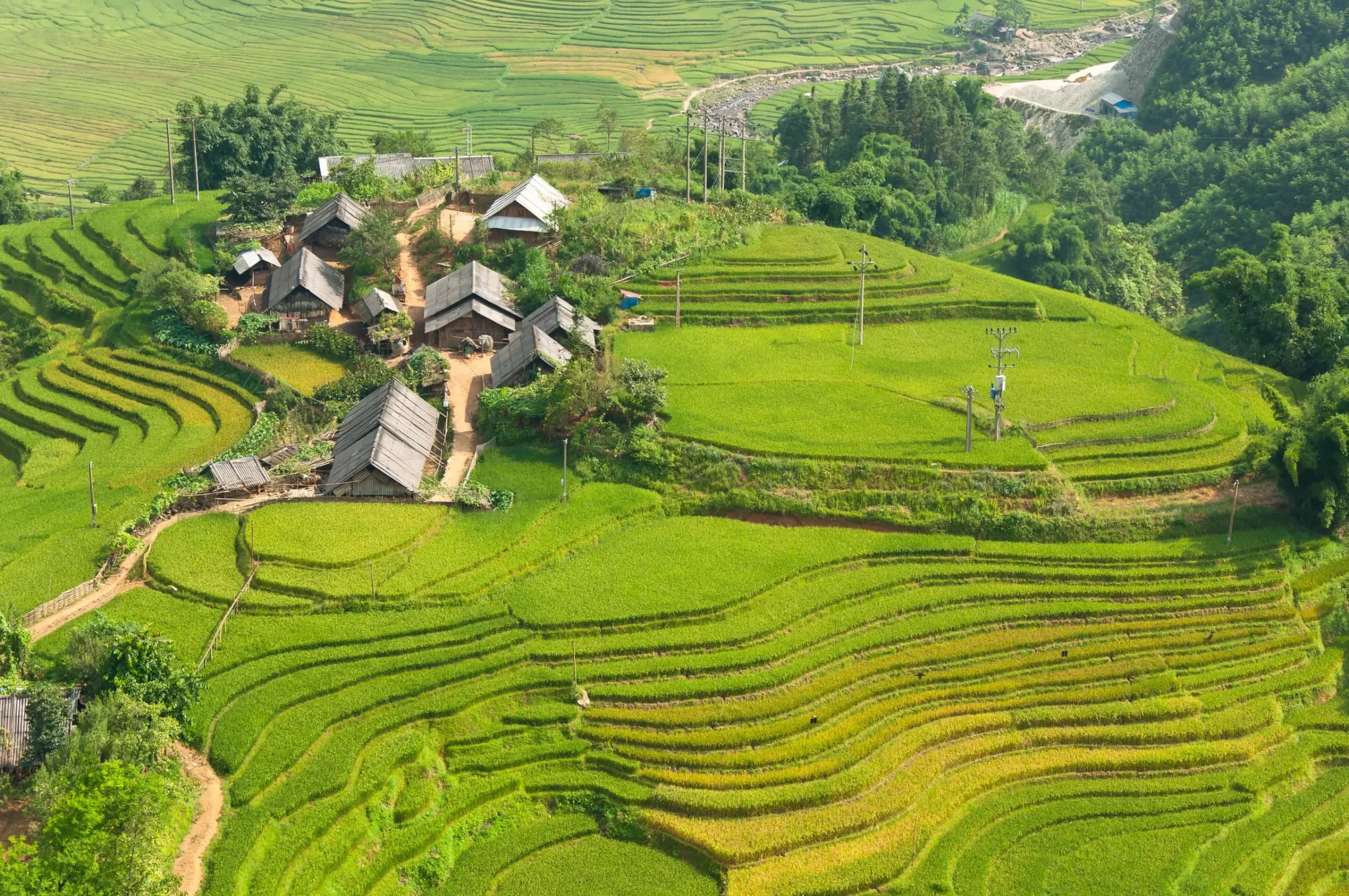
Trek to mountain settlements where families live in traditional homes — homestays and village walks.
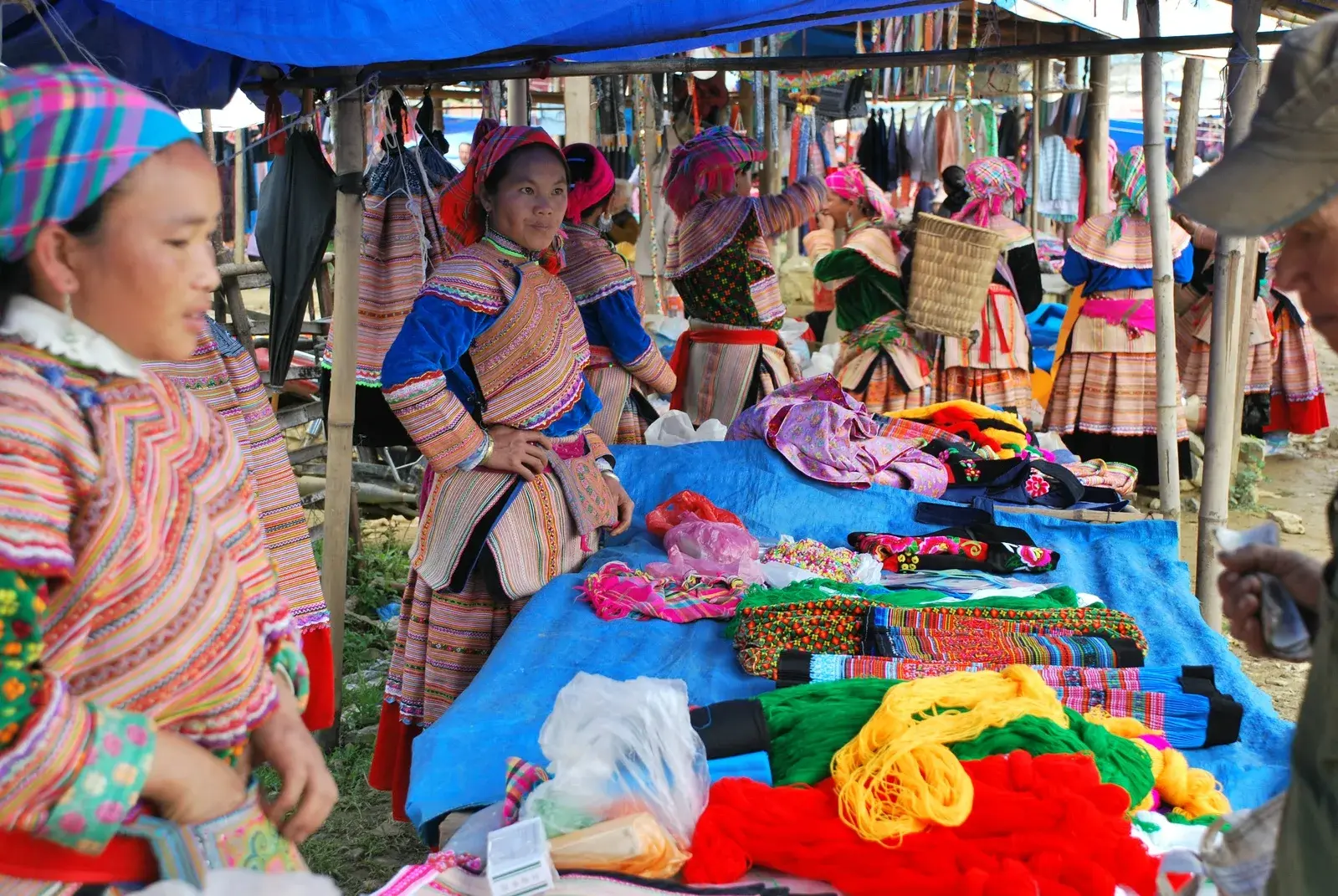 Culture
A weekly market town gathering where Dao, Tày and H'Mong traders converge — textiles, crafts and a window into upland commerce.
Egg coffee
Sa Pa's signature — dark coffee topped with a whipped egg-yolk custard, invented as a café culture staple.
H'Mong market vegetables
Mountain-grown greens and roots sold fresh in markets — often simply grilled or boiled in homestay meals.
Grilled meat (thịt nướng)
Pork or goat grilled with salt, lemongrass and chilli — a staple at homestay dinners in the villages.
Mù Cang Chải specialty bamboo dishes
Fresh bamboo shoots cooked in bamboo tubes, steamed or grilled — a regional specialty.
33 stories·Latest story: Sep 14, 2026
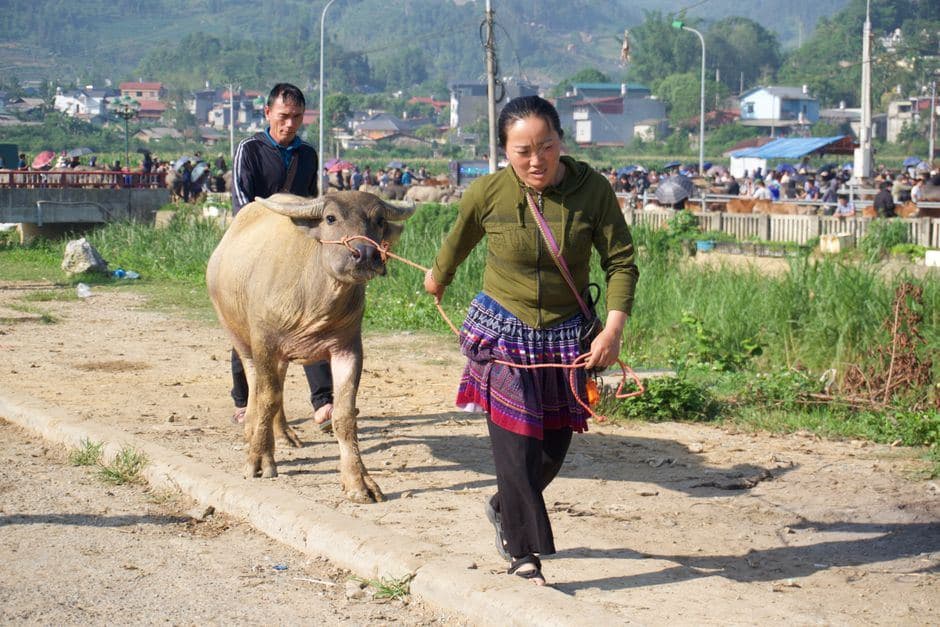 The NorthGetting Around Bắc Hà: Local Transport Options and Honest PricesThe NorthWhere to Photograph Bắc Hà: Locations, Timing, and LightThe NorthBắc Hà After Dark: Evenings, Night Markets, and What Stays OpenThe NorthWhat to Do in Bắc Hà When It Rains: A Practical Wet-Weather Guide
86 properties in the directory
The practical questions we hear most about Lào Cai, answered briefly.
~350km, about 6–7h by road through mountain passes. Overnight buses are available; an early start allows a late arrival with time to explore.
2–3 nights minimum: one day to trek to villages, another to climb Fansipan or explore valleys, one more for a slower pace and the town itself.
Cable car is ~15 min; trekking takes 8–10h round trip. Trek rewards with forests and views; cable car is easier and faster.
September to November: cool, clear and less mist (though mist is part of Sa Pa's charm). December–February can be grey and cold. March–May is spring bloom.
Yes, if you have 2+ extra days — the terraces are stunning, especially at harvest time. Pairs well with a quieter pace in the southern region.
Getting there
Sa Pa is ~350km north of Hà Nội (~6–7h by road or overnight bus). There's no commercial airport in the town; buses are the main transport.
Getting around
Sa Pa town is walkable; treks to villages require a guide or joining a group. Mù Cang Chải is a separate drive (~2–3h from Sa Pa).
Day 1 — arrival & town
Arrive in Sa Pa, check in, walk the main street, and sit in a café as mist rolls through.
MorningThe overnight bus or limousine van arrives; drop your bags and have breakfast with a valley view.
AfternoonWalk the town — the stone church square, the market, viewpoints at the valley rim.
EveningA hotpot dinner against the mountain chill, early night before the trek.
Day 2 — village trek
A guided trek to H'Mông or Dao villages through rice paddies and mountain paths — homestay lunch or dinner.
MorningSet off with a local guide through terraced paddies toward the Mường Hoa valley (~3–4h walking).
AfternoonLunch at a homestay in a H'Mông or Dao village, then continue at an easy pace.
EveningBack to town — or stay the night at the village homestay and wake to the paddies.
Day 3 — Fansipan or valley
Climb Fansipan (cable car or trek), or hike to Silver Waterfall and nearby villages for a gentler day.
Sa Pa town
The cool mountain retreat — one main street with cafés, shops and colonial-era hotels.
Fansipan & surrounding peaks
The north's highest mountain and its forested slopes — cable car and trek routes to the summit.
H'Mông & Dao villages
Mountain settlements reached by day trek — homestays, traditional homes and terraced rice paddies.
Mù Cang Chải (merged Yên Bái)
Sweeping rice terraces carved into hillsides — a quieter, slower-paced region reached by a 2–3h drive south.
Bắc Hà market town
A market hub reached by day trip or overnight — Sunday market and ethnic-minority crafts.
Plan your trip
Tell us who is coming and what you want to see. A specialist replies with a route and a clear price — usually within a few hours.
Plan this trip