 Cultura
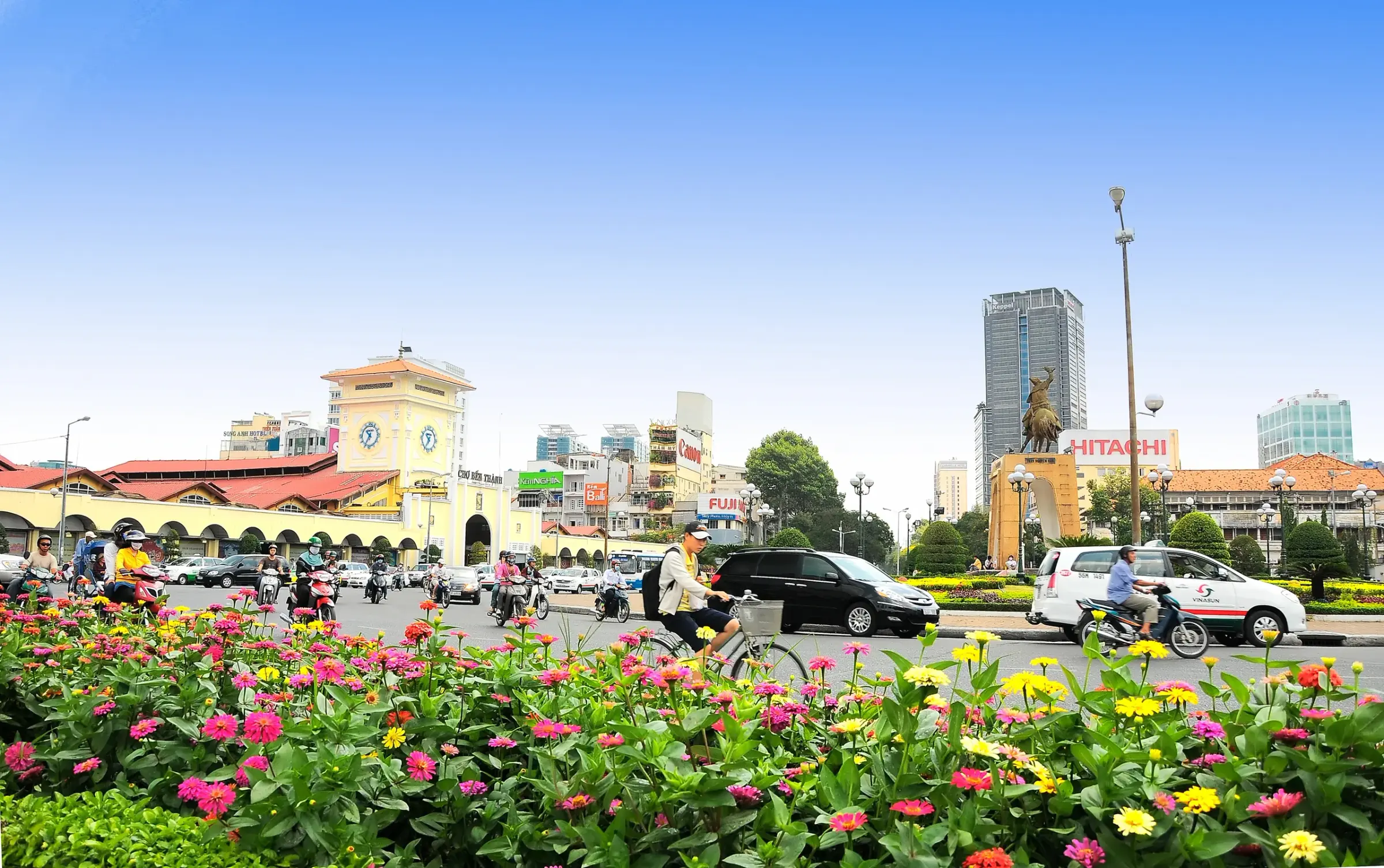
Bến Thành Market
The beating heart of commerce — a century-old iron-framed market hall packed with fabrics, spices, souvenirs and the hum of bargaining.


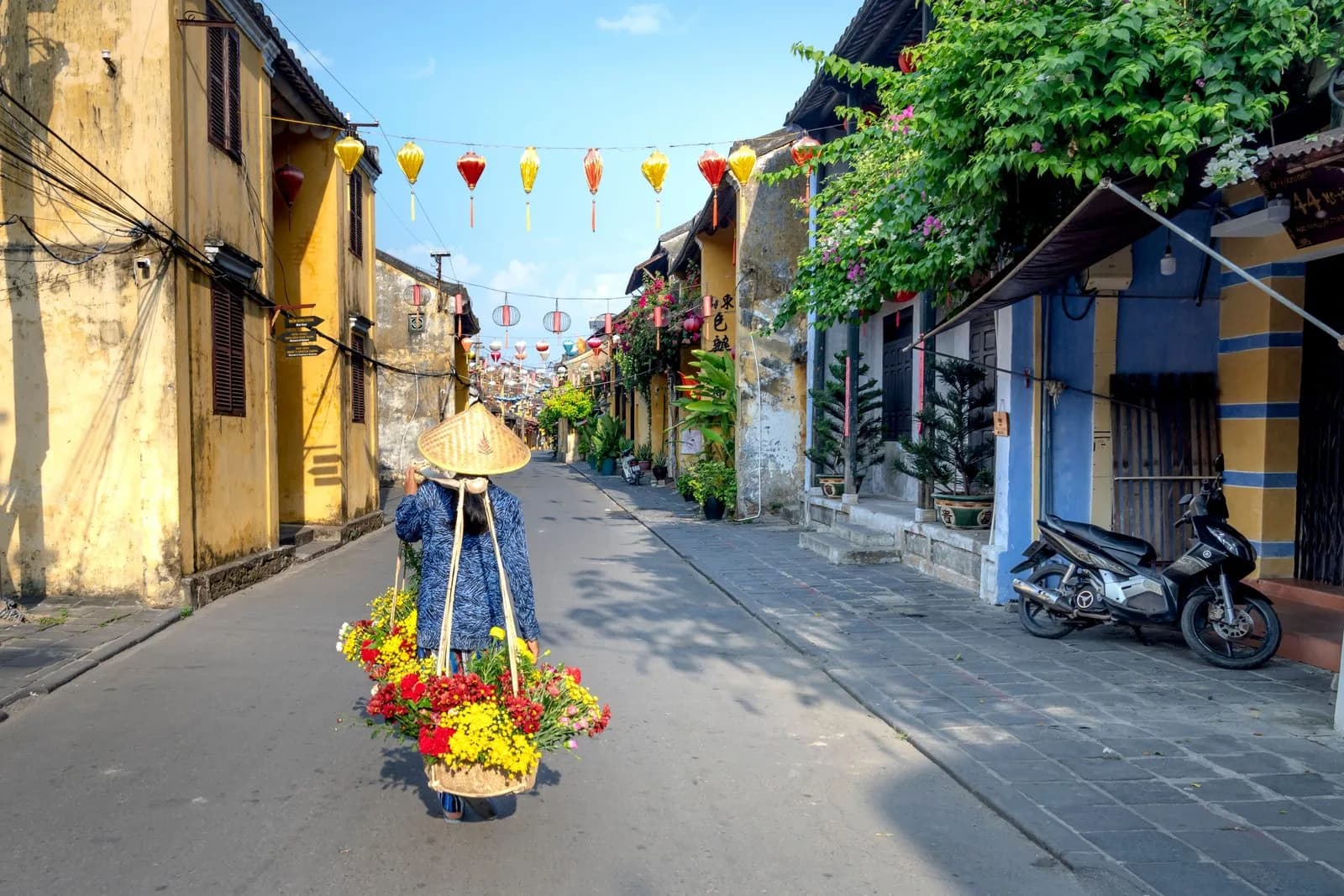 🖼 5 fotos
Ciudad·El Sur
The southern metropolis
71 historias·Mejores meses: ene · feb · mar · dic
Việt Nam's largest city — street food, rooftop skylines, now stretching to the Vũng Tàu coast.
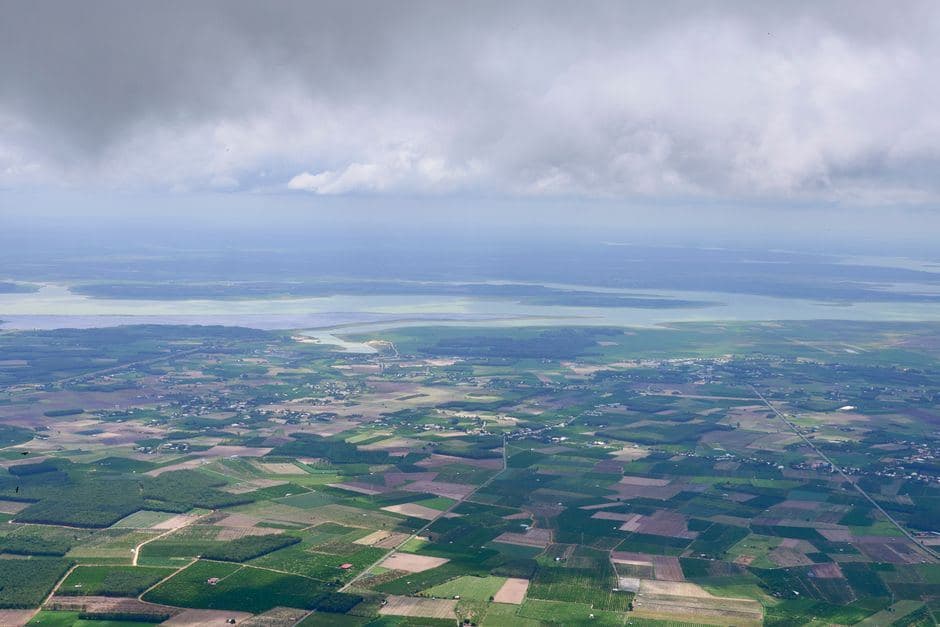
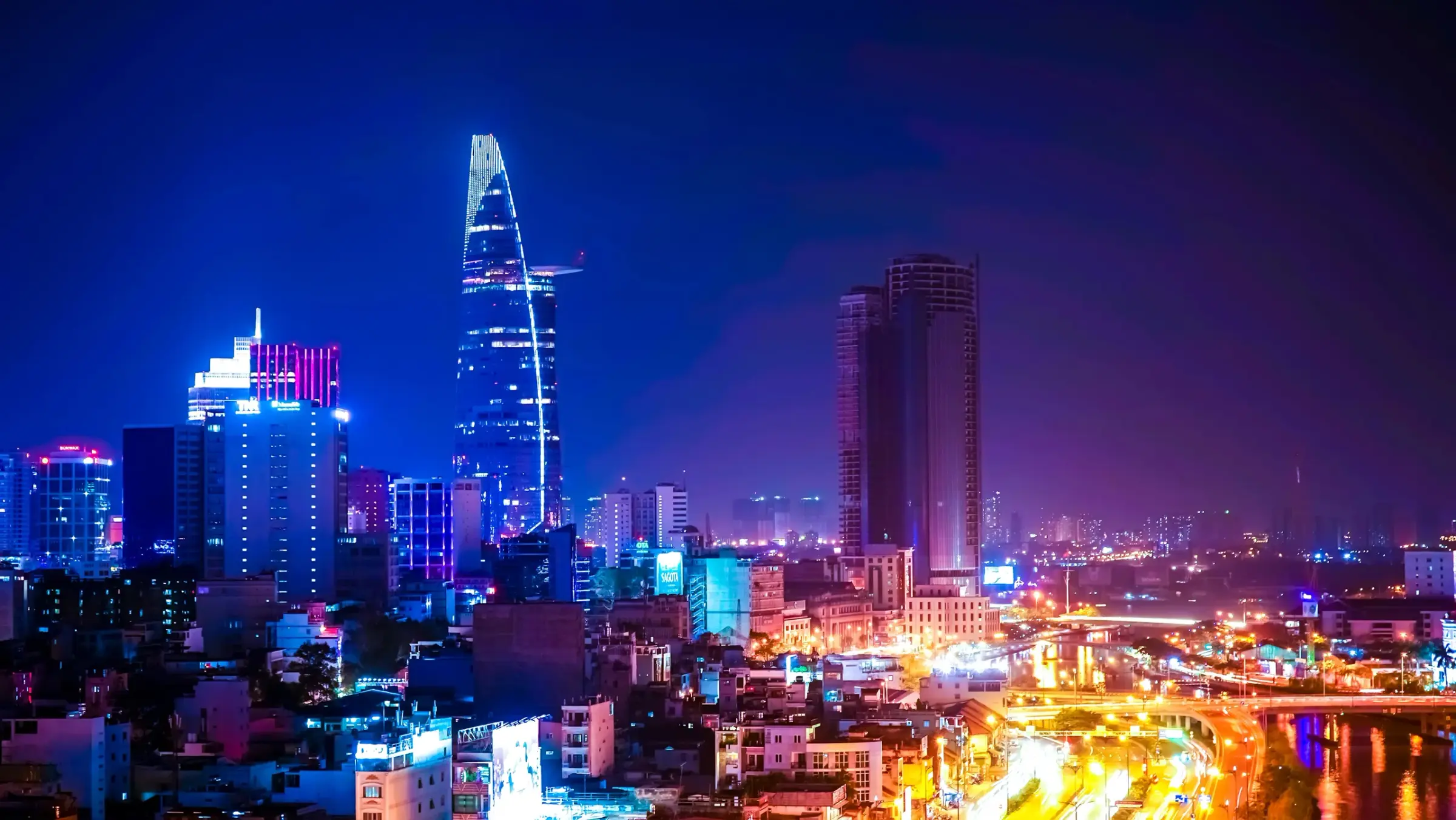
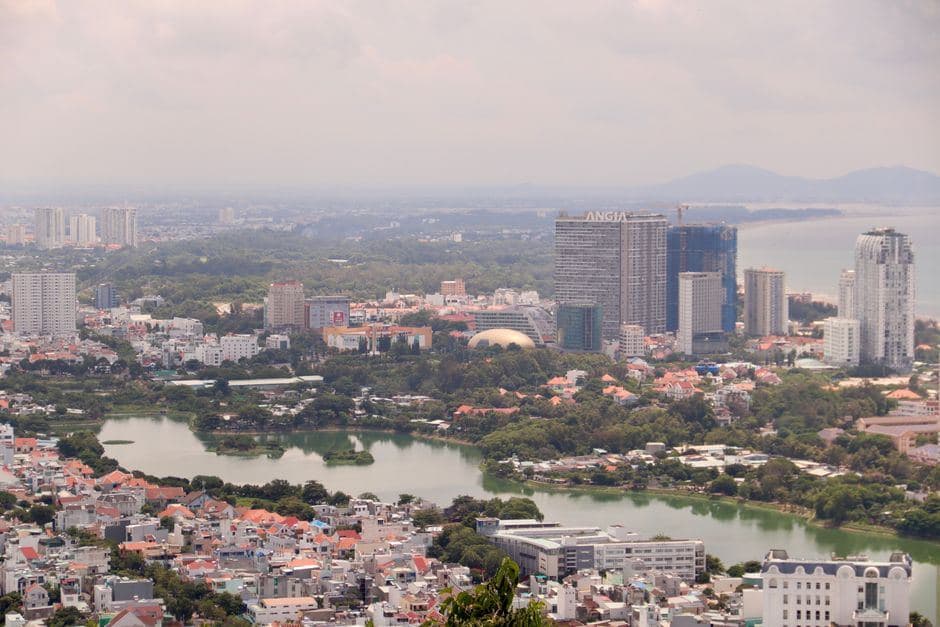
Việt Nam's largest city runs at every scale and speed at once — alley coffee shops a scooter-width wide, rooftop skylines bristling with cranes, the dense markets and temple roofs of Chợ Lớn, and the new Thủ Thiêm riverfront rising in glass on the east bank. Since the merger the city also reaches the Vũng Tàu coast and the orchard belt of Lái Thiêu.
Most first-time visitors lose themselves in the street food — the traffic rhythm, the endless coffee stops, the sheer energy. Stay longer and the city opens up: rooftop sunsets over the Sài Gòn river, quiet French-era villas behind tamarind trees, the charcoal-and-fish-sauce smell of the evening markets. The coast, when you reach it, feels like a second city entirely.
CulturaThe beating heart of commerce — a century-old iron-framed market hall packed with fabrics, spices, souvenirs and the hum of bargaining.
 Cultura
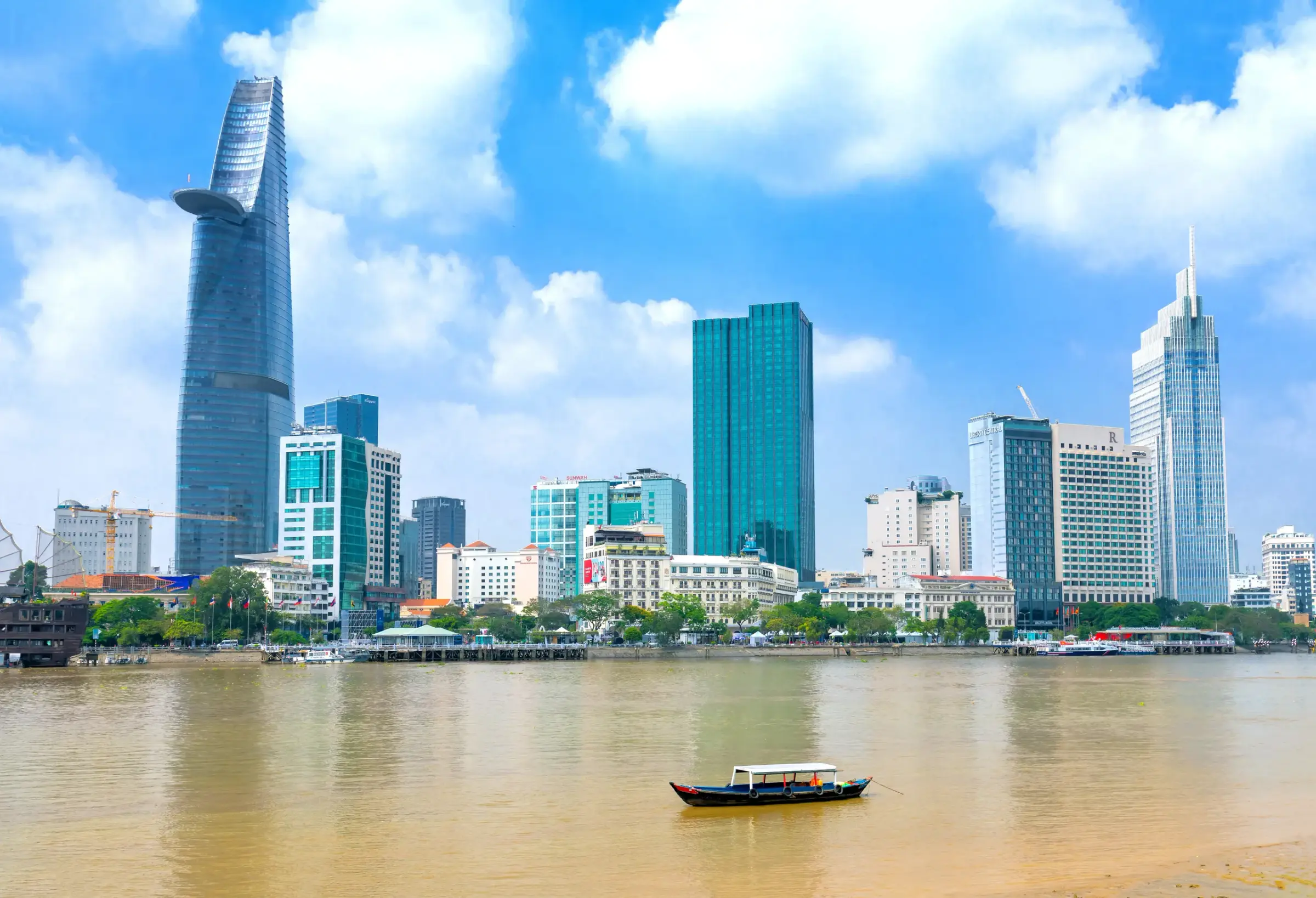
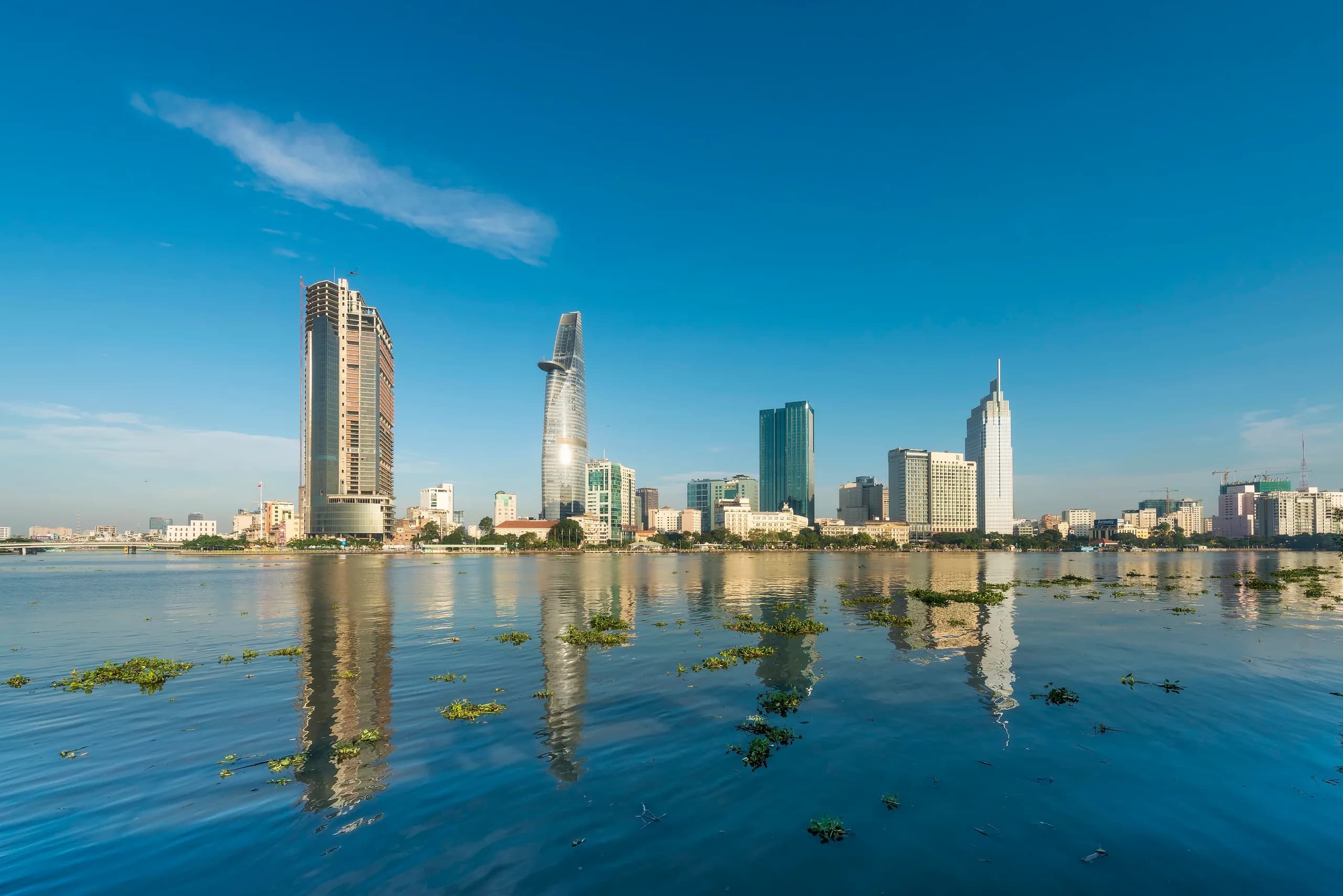
Modern high-rises crowd the riverbank — rooftop bars and cafés offer sunset drinks above the Sài Gòn, the city sprawling below.
A dense warren of alleys, herbal medicine shops and temples — the architecture and atmosphere of old Chinese quarters, untouched by modernization.
A red-walled Taoist temple with gilded roof and ornate carvings — a visual feast in the heart of Chinatown.
The newest district rising on the eastern bank — parks, promenades and the Sài Gòn river at dusk, a glimpse of the city's future.
 Gastronomía
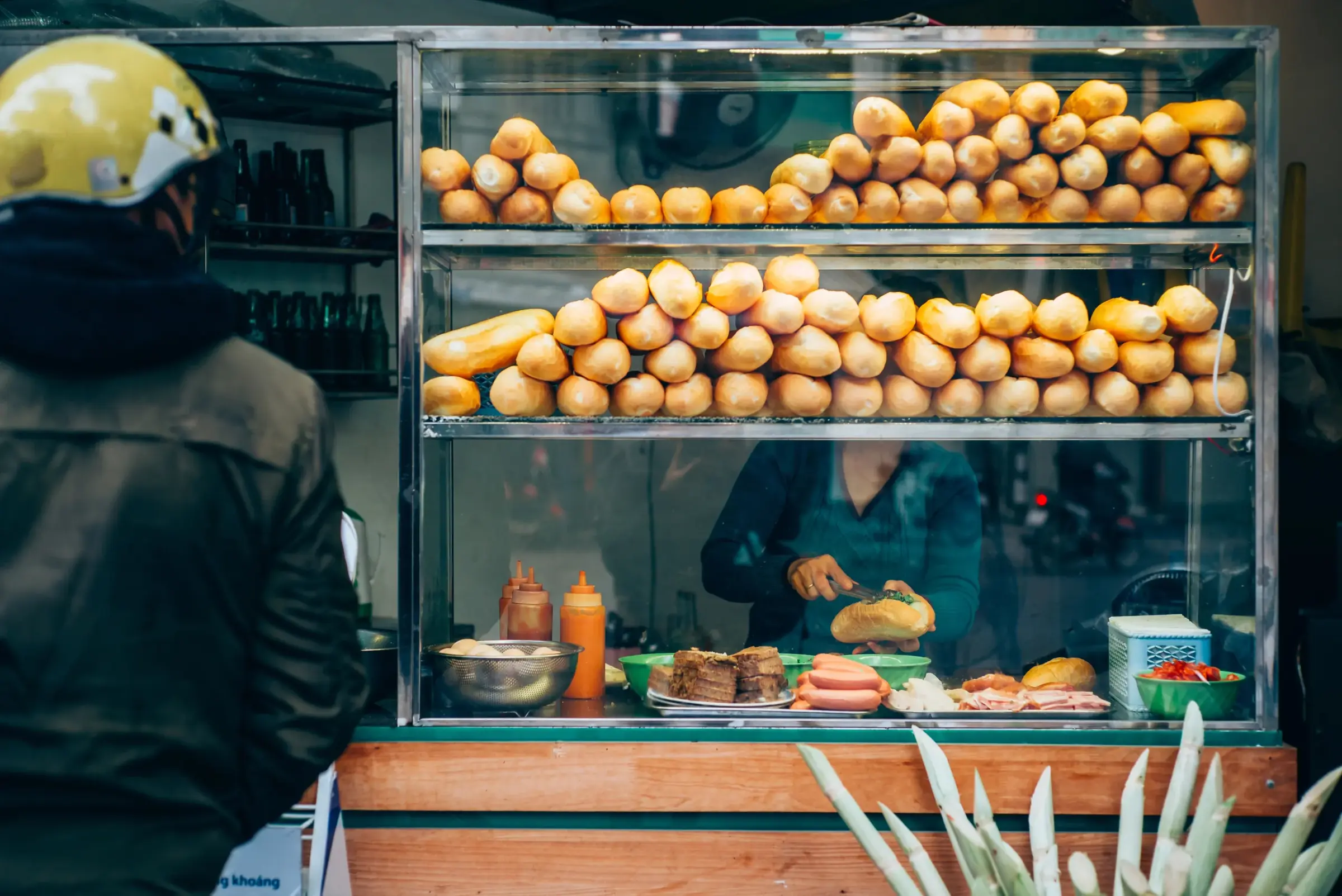
Cơm tấm, bánh mì, phở and hủ tiếu — the Hồ Chí Minh version of Hà Nội's food streets, eaten standing up or perched on a low stool.
Cơm tấm (broken rice)
Fragments of rice fried with pork, egg and shallots — a southern staple, eaten for breakfast or lunch.
Bánh mì (Vietnamese sandwich)
A crusty baguette split and filled with pâté, cold cuts, pickled vegetables and herbs — a legacy of French colonialism, perfected in the south.
Hủ tiếu (clear broth noodles)
Flat rice noodles in a clear pork or shrimp broth, topped with pork belly and liver — the noodle soup of the Mekong delta.
Southern sweets & coffee
Chè (sweet soup), bánh flan and egg coffee — the warm, indulgent finishes to southern meals.
71 historias·Última historia: 15 sept 2026
 The SouthWhat to Buy in Vũng Tàu: Souvenirs Actually Made LocallyThe SouthCómo moverse por Vũng Tàu: opciones de transporte local y precios realesThe SouthVũng Tàu de noche: mercados nocturnos, cenas y locales abiertos hasta tarde
 The SouthSaigon Soul Revival lanza su tercer álbum 'Chốn Ta Về', explorando los sonidos vintage del sur
86 alojamientos en el directorio
Las preguntas prácticas más frecuentes sobre TP. Hồ Chí Minh, respondidas en breve.
Walk steadily and predictably; scooters will flow around you. Stick to crosswalks when available, and cross by walking into the stream.
~120km southeast, roughly 2.5–3 hours by road — a beach escape reachable as a long day trip or overnight.
District 1 for riverside views and rooftop culture; Chợ Lớn for the old-quarter experience; Thủ Thiêm for modernism.
District 1 and Chợ Lớn are best on foot; for longer distances, use taxis, ride-hailing or motorbike taxis.
Roughly May to October — most days bring one short, heavy afternoon downpour rather than all-day rain. Carry a poncho, plan indoor stops for late afternoon, and the mornings are usually clear.
Generally yes — the main risk is opportunistic phone or bag snatching from motorbikes. Keep phones away from the kerb, wear bags across the body, and use licensed taxis or ride-hailing at night.
Tân Sơn Nhất is ~7km from District 1 — usually 20–40 minutes depending on traffic. Use the official taxi ranks or a ride-hailing app from the marked pick-up areas; agree nothing off-meter.
Cómo llegar
Tân Sơn Nhất International Airport connects TP.HCM to the world; train and bus stations serve the north and the Mekong delta.
Cómo moverse
Walk the center, use taxis and ride-hailing for longer trips; the rivers and canals are best explored by boat tours or rented scooters.
Day 1 — the heart
Bến Thành Market, District 1 rooftops at sunset, then street food after dark — capture the energy.
Day 2 — old quarters
Chợ Lớn alleys, Thiên Hậu Temple architecture, morning at the herb-medicine markets — the city's past.
Day 3 — new & beaches
Thủ Thiêm waterfront park, then a road trip to Vũng Tàu or the Lái Thiêu orchards to the north.
District 1 (Central)
The colonial core and modern skyline — markets, temples, riverfront cafés and rooftop nightlife.
Chợ Lớn (Chinatown)
A maze of old-world charm — temples, herbal shops, markets and the architecture of Chinese centuries.
Thủ Thiêm
The newest district — modern parks, riverside promenades, galleries and the city's future unfolding.
Vũng Tàu coast
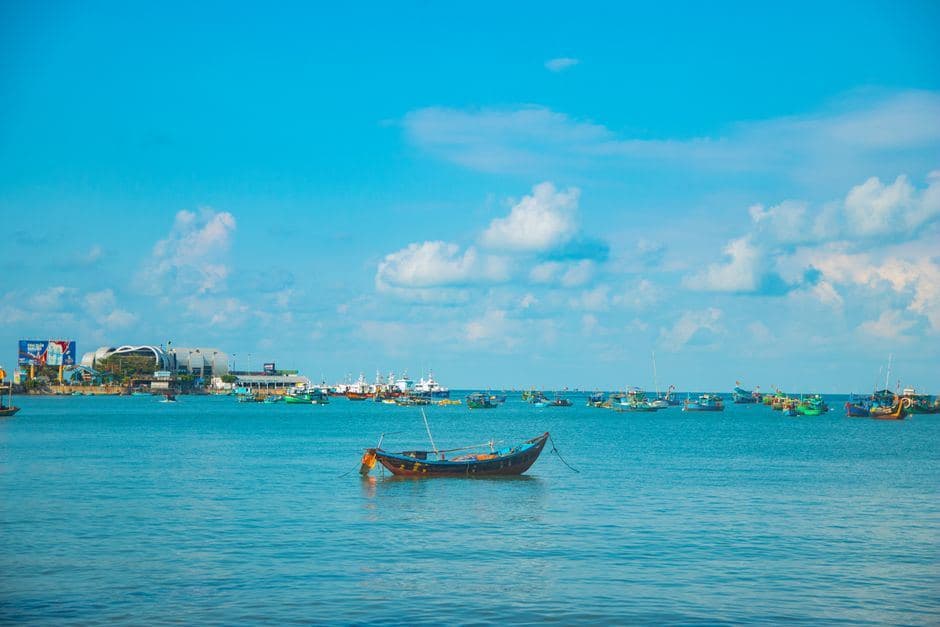
Beach and coastal getaway ~2.5h from the city — Long Hải, fishing hamlets and calm waters.
Planifica tu viaje
Cuéntanos quién viene y qué quieres ver. Un especialista responde con una ruta y un precio claro — normalmente en pocas horas.
Planificar este viaje