

 文化
文化Old Quarter & Hoàn Kiếm Lake
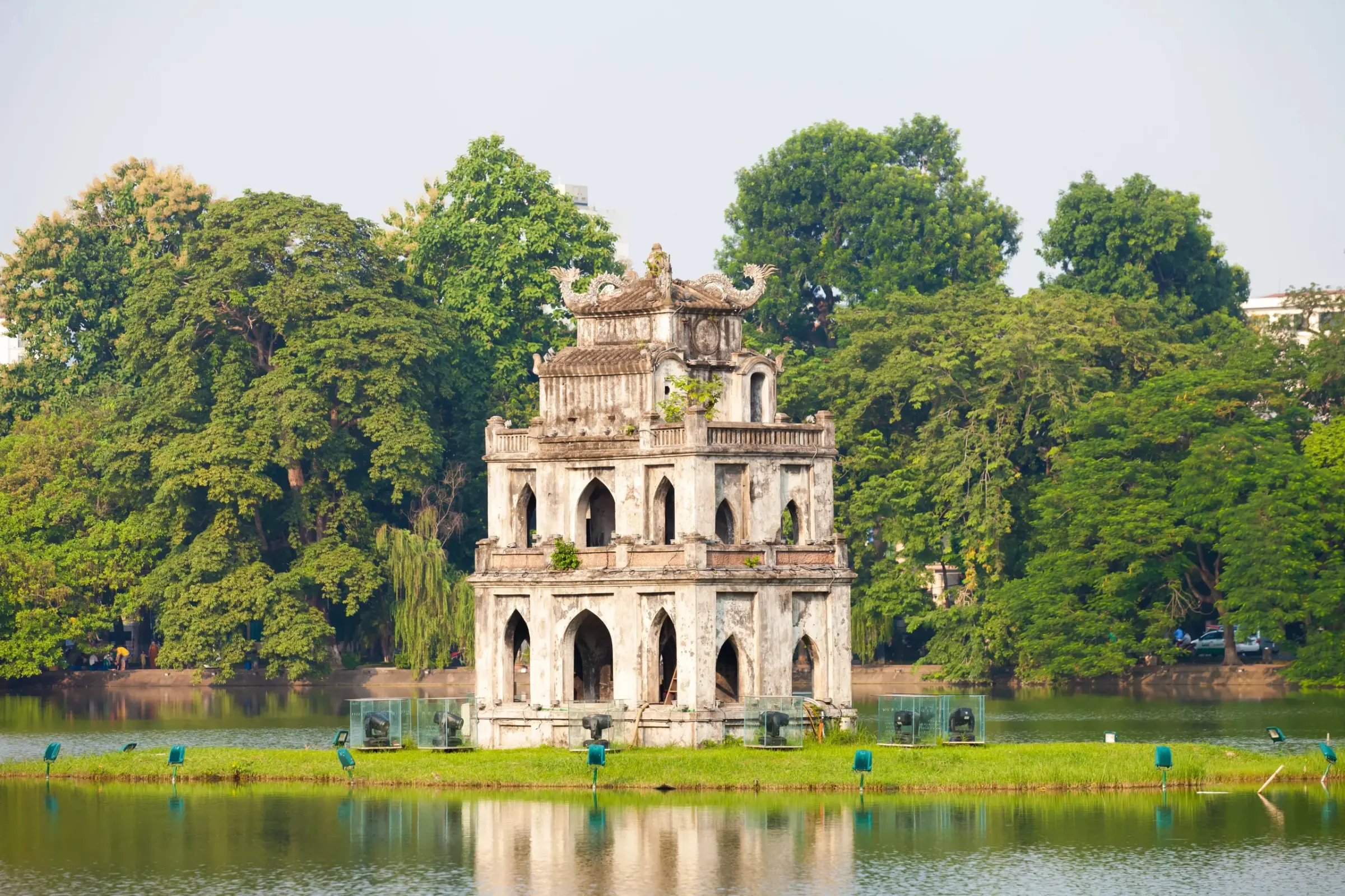
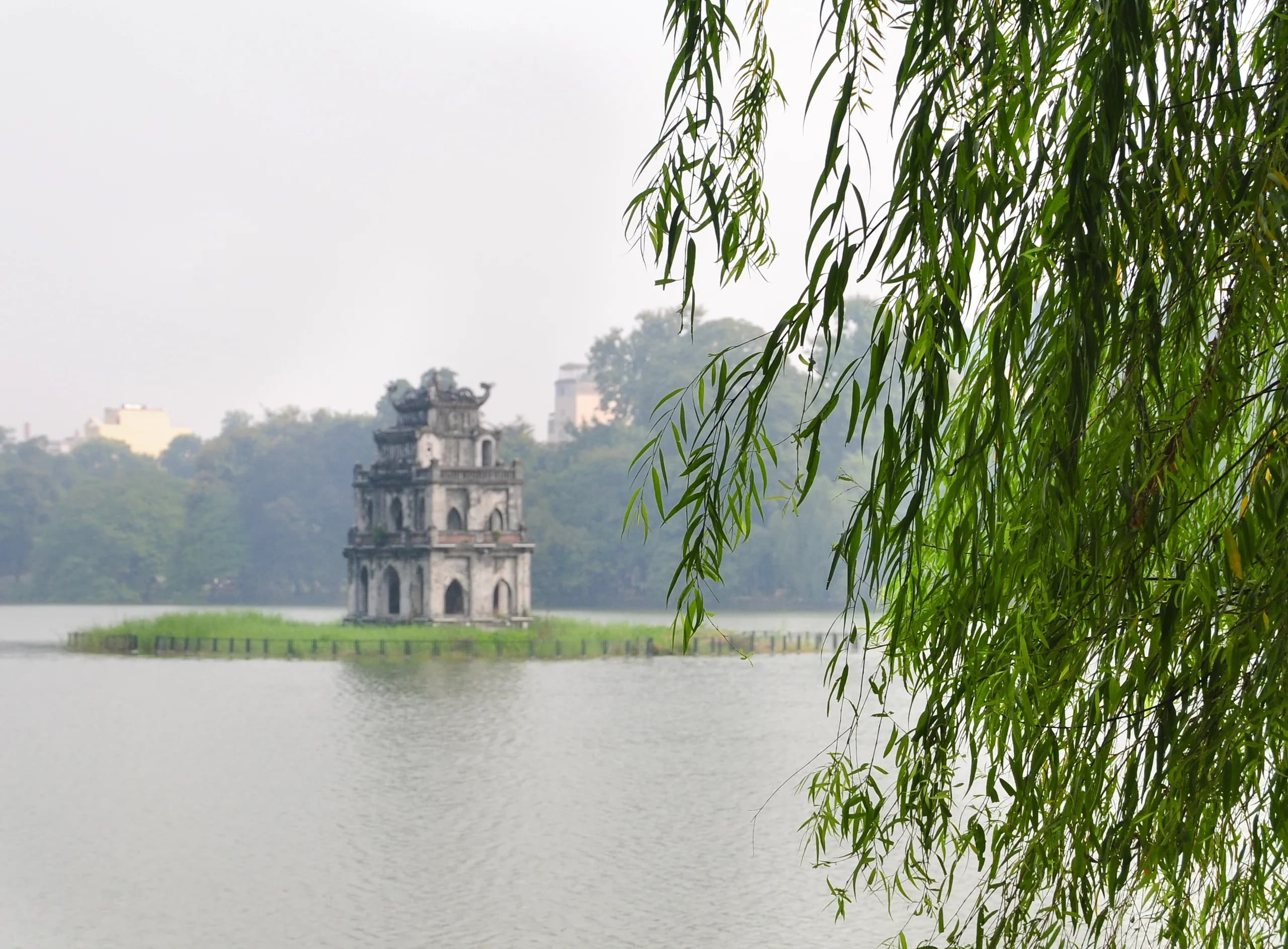
Thirty-six ancient trade streets around the lake at the city's heart, with Ngọc Sơn Temple on its islet and weekend walking streets after dark.


Việt Nam's capital has been a city for over a thousand years, and it wears that age well: an Old Quarter where each street still carries the name of the trade once practised there, French-era boulevards under tamarind shade, and pagodas folded between shopfronts.
Give it slow mornings — phở on a low stool, egg coffee above Hoàn Kiếm Lake — and evenings when the lakeside streets go car-free at the weekend. The centre is best on foot, and most of it fits into a few unhurried days.
文化Thirty-six ancient trade streets around the lake at the city's heart, with Ngọc Sơn Temple on its islet and weekend walking streets after dark.
Việt Nam's first university, founded in 1070 — courtyards, lotus ponds and stone stelae carried on the backs of turtles.
 自然
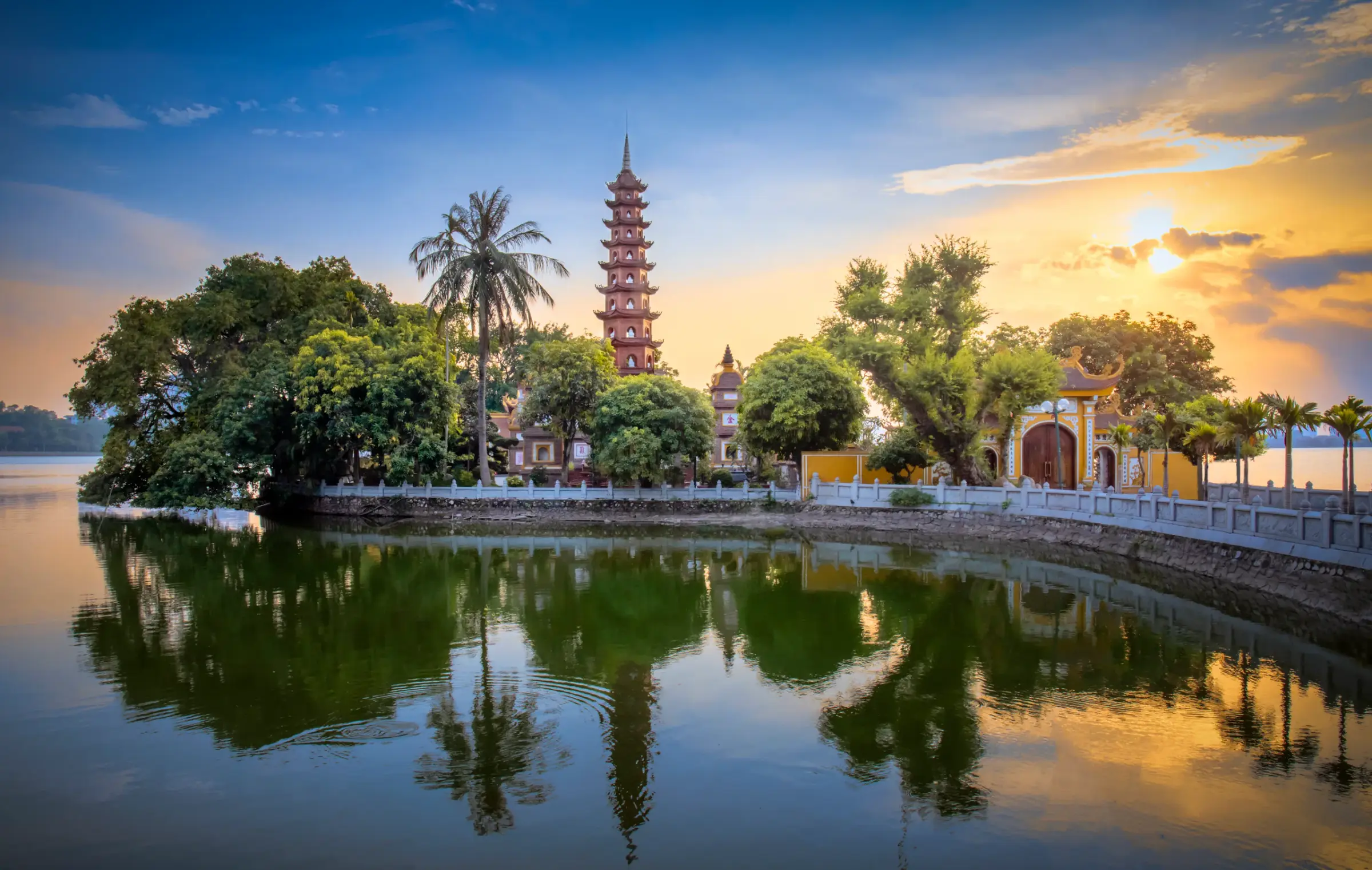
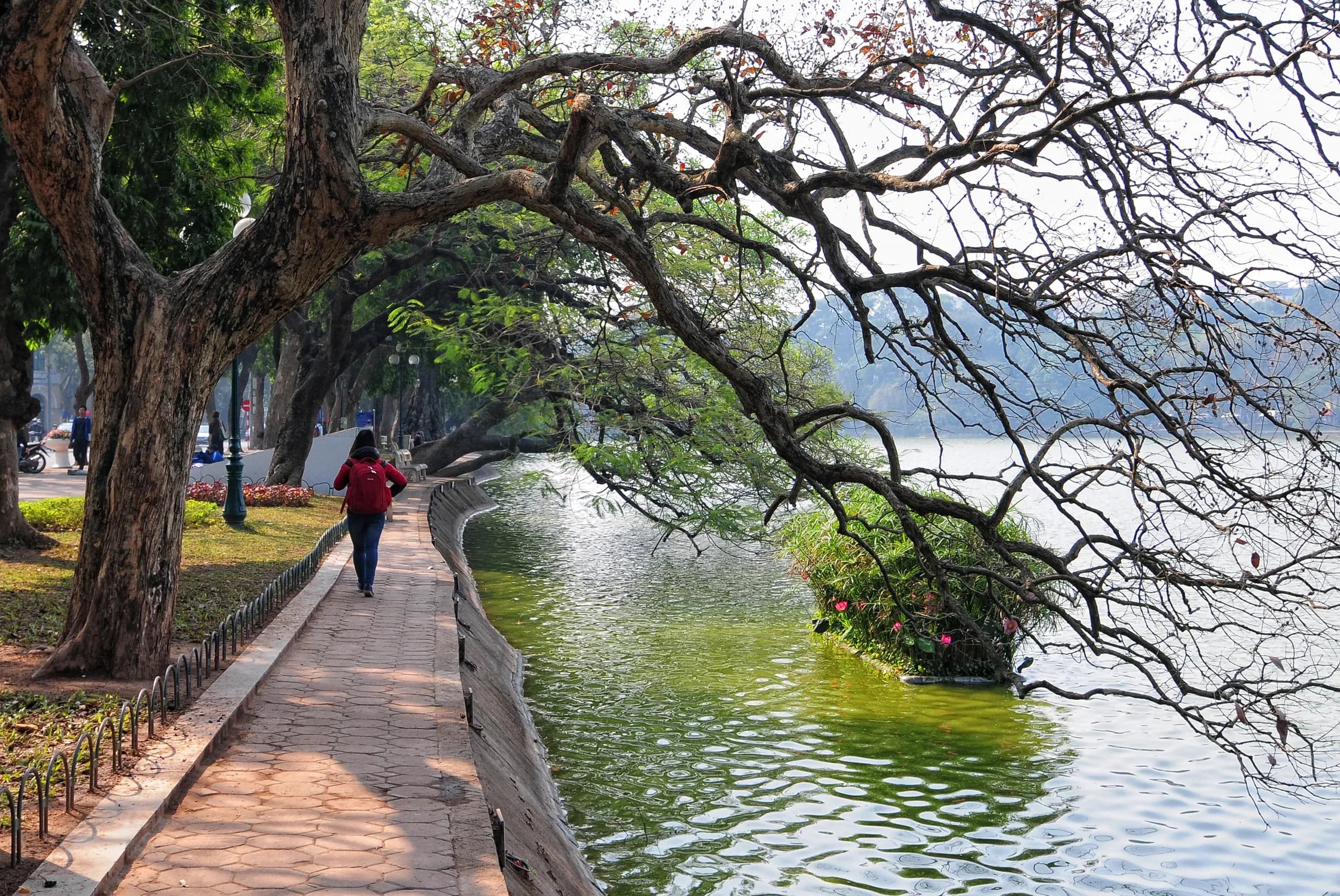
自然The city's biggest lake, ringed by lotus ponds and cafés, with its oldest pagoda glowing on a small peninsula at sunset.
 文化
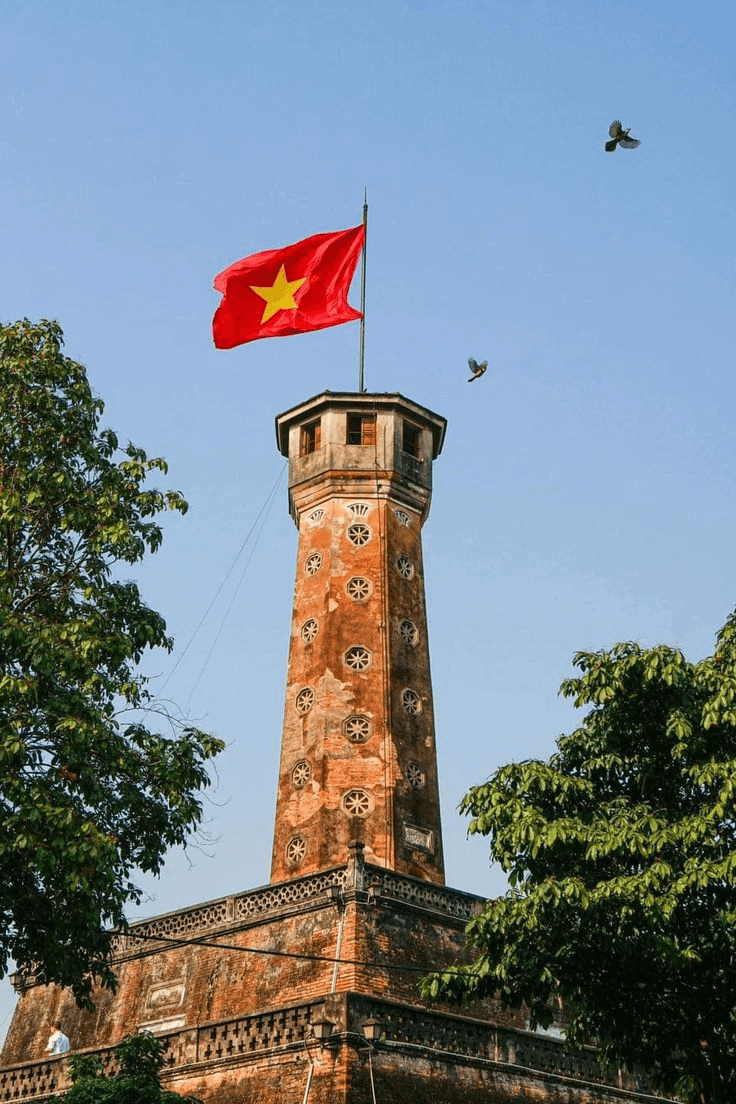
文化A UNESCO-listed royal citadel layered through a millennium of dynasties, right in the middle of the modern city.
Laterite-brick lanes and centuries-old communal houses ~1.5h from the centre — the Red River delta as it looked generations ago.
 美食
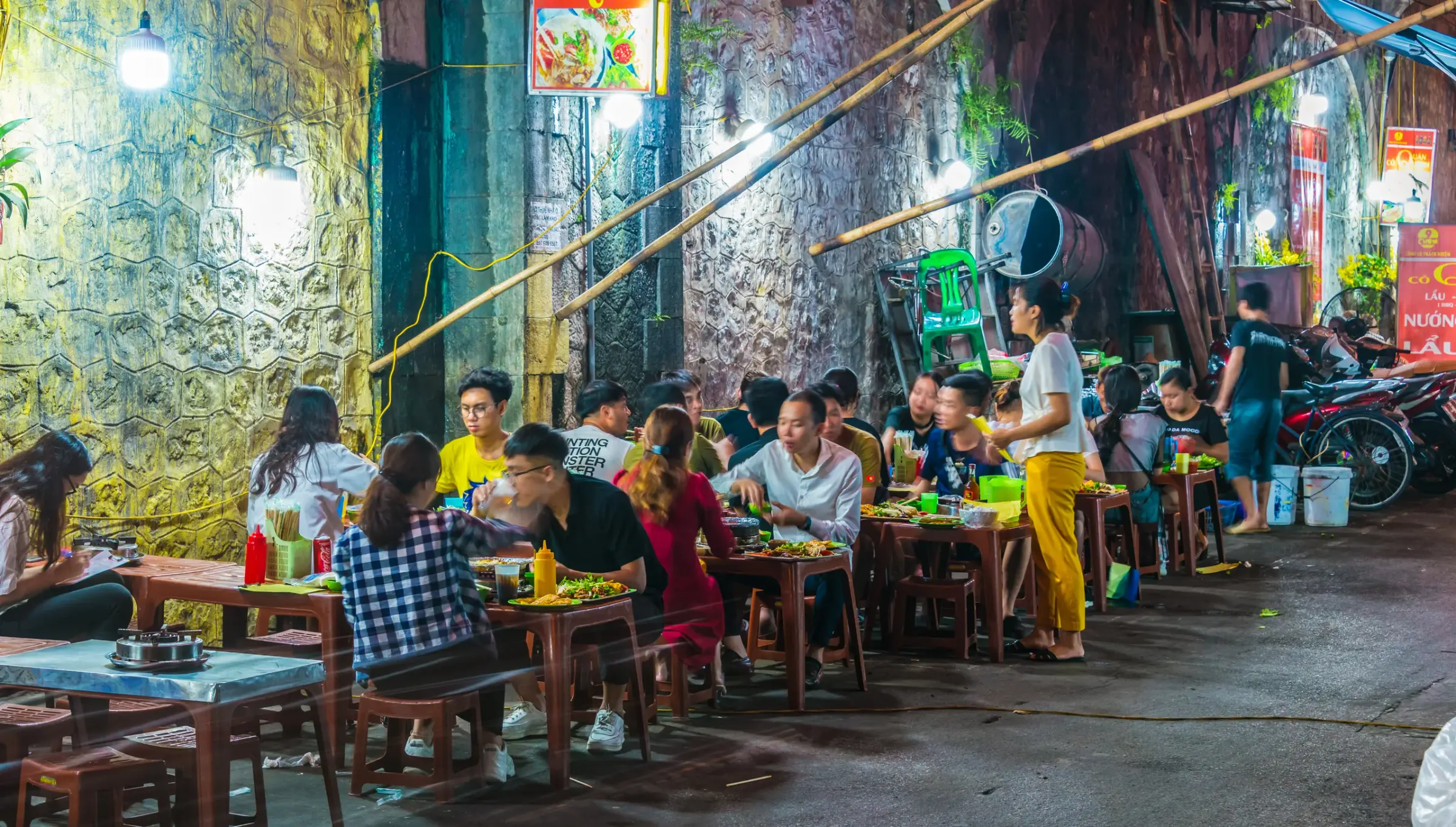
美食Phở, bún chả, bánh cuốn and egg coffee, eaten where they were invented — the single best thing to do in the capital.
Phở
The beef noodle soup the world knows — at its clearest and most restrained in its home city, eaten at breakfast.
Bún chả
Charcoal-grilled pork over a sweet-sour dipping bowl with herbs and rice noodles — a Hà Nội lunch ritual.
Cà phê trứng
Egg yolk whipped into a warm custard over dark coffee, invented here in the 1940s.
Cốm (young green rice)
Autumn's flavour: young sticky rice wrapped in lotus leaves, from the craft villages by West Lake.
45 篇故事·最新故事: 2026年9月4日
 Vietnam外籍人士還是移民?越南及全球熱議中的稱謂之辯
 The North如何從河內前往板約瀑布:新手旅行指南
 Vietnam越南鐵路為9月國慶連假加開37班列車
 Vietnam河內近郊必訪手工藝村指南:實用旅遊攻略
關於Hà Nội最常見的實用問題與簡短解答。
October to December brings cool, dry, golden days. Spring (February–April) is mild with light drizzle; summer is hot and humid with bursts of rain.
The airport is ~45 minutes north of the centre. Metered taxis, ride-hailing apps and the express 86 bus all run the route.
Walk out steadily and predictably — the scooters flow around you. Never step back suddenly or run.
Cards and QR payments are common in cafés and shops, but keep small cash (VND) for street food and markets.
The Old Quarter and French Quarter are best on foot; for West Lake or the citadel, a short ride-hailing hop saves the midday heat.
如何抵達
Nội Bài International Airport connects Hà Nội to the world; trains run to Lào Cai (for Sa Pa), Huế and Đà Nẵng, and the city is the road hub for the whole north.
當地交通
Walk the centre, then use ride-hailing apps for longer hops; two metro lines now cross parts of the city.
Day 1 — the heart
Old Quarter lanes, Hoàn Kiếm Lake and Ngọc Sơn Temple, then a water-puppet show and street food after dark.
上午Phở or bánh mì early, then walk the Old Quarter guild streets before the traffic thickens (~7:00–9:30).
下午Hoàn Kiếm Lake and Ngọc Sơn Temple, then coffee on a balcony overlooking the water.
晚上A water-puppet show (~1h), then a street-food crawl — bún chả, nem rán and a bia hơi corner.
Day 2 — a thousand years
Temple of Literature and the Imperial Citadel in the morning, sunset at Trấn Quốc Pagoda on West Lake.
上午Temple of Literature early (quietest before 9:00), then the Imperial Citadel of Thăng Long.
下午A slow lunch, then West Lake — lotus ponds, quiet pagodas and lakeside cafés.
晚上Sunset at Trấn Quốc Pagoda, dinner among the French Quarter's villas.
Day 3 — out of town
A day trip to Đường Lâm ancient village or down to the Tràng An karst of Ninh Bình, ~2h south.
Old Quarter
The thousand-year heart — trade streets, hidden temples, the densest food in Việt Nam.
French Quarter
Opera House, wide boulevards and colonial villas south-east of the lake.
West Lake (Tây Hồ)
Lakeside cafés, lotus ponds and quiet pagodas — the city's breathing space.
Ba Đình
The government quarter, home to the Imperial Citadel and leafy ceremonial avenues.
Sơn Tây & Ba Vì
The rural west — Đường Lâm ancient village and the Ba Vì mountain forests.